First of all, take a deep breath and shed the mantle of guilt you’re wearing. Now let’s address your dilemma.
When your father was on his deathbed you made a promise to take care of your mother in her old age. Now she is at the point of not being able to care for herself and you realize that you’re absolutely not cut out for – nor are you capable of – taking her under your roof to provide the care that she needs. What’s a dutiful son or daughter to do?
I’m not advocating that you break your promise to your father but I am suggesting that you consider redefining what that promise looks like. You promised your father that you would take care of your mother and that’s exactly what you’re going to do. Taking care of your mother is not solely defined as moving her into your home and taking care of all her basic needs until she dies. Very few people have the ability or the means to provide 24-hour care in their home. You made that promise with the best intentions and you can still honor your promise without dishonoring your father. Keep in mind that loving your mother doesn’t guarantee your success as her caregiver. Even adult children with a fabulous relationship with their parent struggle greatly in their efforts. And if your relationship with your mother is tenuous at best, try picturing the scenario of you as caregiver and her as recipient of that care. What effect will that have on her, you, and the remainder of your household?
Let’s clarify how best to care for your mother.
Why can’t caring for your mother mean that you’re honest enough to admit that you’re not the best caregiving option? Do your best to find the care alternative that will provide her an optimal quality of life, e.g. adult daycare, errand and housekeeping services, assisted living. Do the research and consult the experts to confidently fulfill your promise to your father by securing the best care solution for your mother. If that solution involves selecting an assisted living facility, there are many resources available to you that can make this move a successful one for everyone involved. As her son or daughter you will be able to lovingly help her transition into a residential location with like-minded older adults where she can receive the care that will fulfill the promise you made to your father.
Now imagine the NEW normal that your mother and your family can experience.
Your mother lives nearby in an assisted living residence. She has companions with whom she enjoys spending time. She receives three wholesome meals a day and when she, or you, feel like seeing each other, you’re just a short drive away! The time she spends at your house will be as a pampered visitor – not an inpatient (or impatient) relative. It’s probably difficult right now for you to see this as a viable option, but I think in time, you’ll find that everyone, including your father, will be pleased with the outcome.
Kindness towards others doesn’t have to be grandiose. I mean, painting a next door neighbor’s two-story house is a very kind thing to do but many of us don’t have the capabilities to pull off that type of kindness.
Even the smallest gift of kindness can mean the world to people.
Last Friday I did my weekly grocery shopping at my primary grocery store. The weather has been extremely cold in the Pacific Northwest with snow and ice sticking around an inordinate length of time. Even though many businesses have made efforts to make their parking lots and sidewalks safe to walk on, some ice still remains as I discovered when walking from my car to the store entrance. I didn’t fall – thank the Universe – but the parking lot lane was a tad slippery.
Fast forward to me walking back to my car with a cart full of groceries, knowing that even if I made it safely to my car, I would still need to walk the cart to the nearest cart barn and then walk back to my car. I unloaded my groceries into my Toyota and a gentleman shopper walked up to me and said, “I’ll put that cart away for you.”
“Thanks so much, now I don’t have to risk life and limb walking it to the cart corral.”
He made my day, and all he had to do was walk a shopping cart 30 feet away.
I’m reblogging this article I wrote in April of 2013 because it comes up in my blog stats as being extremely popular to many of you out there. I can only conclude that it’s popularity remains high because there are so many caregivers in the world who are tangled up in a daily life that centers around those with Alzheimer’s disease or other dementia. I hope many more will be encouraged – and pleasingly challenged – by what I have to say in this post.
Walk in Their Shoes… Just for a Minute. The attached article contains encouraging advice that caregivers worldwide need to read, and re-read, from time to time.
Those of us who have been caregivers to loved ones with Alzheimer’s or other dementia know very well the frustrations felt when we come to the realization that we’re not sufficiently equipped to handle that which this disease presents us. We’re walking in caregiver shoes, fully incapable of walking in those of the person with dementia. If we could, we would shriek at what we see and experience.
So we get frustrated – understandably so. We raise our voices in anger – and feel guilty immediately thereafter. We complain to others about the one we’re taking care of – because we crave to be heard and understood by someone!
PET scan of a human brain with Alzheimer’s disease (Photo credit: Wikipedia)
Do not ask me to remember is a loaded statement and one which should give us pause. We know the person with dementia is not able to remember the previous five seconds, so why do we ask them to remember where and when they were born? Why do we think that repeating an answer LOUDLY AND WITH EMPHASIS will help the loved one remember this tenth time you’ve answered their same question? Why do we think they will understand our logical explanations about circumstances when their ability to understand anything requiring organization of thought is a function forsaken long ago by the brain that they’ve been stuck with?
Because we’re human – and we want order out of chaos, and we want the one for whom we are providing care to finally “get it.” And we want them to understand that this ain’t no cake walk for me so why aren’t you appreciating all that I do for you?
We read a news story that pisses us off either because the story being reported gets our blood boiling or the person about whom that story is written – whether a politician, entertainer, or some other public figure – is someone we’re not exactly enamored with, then we feed and nurture the news story by spreading it on our personal social media accounts. Isn’t doing so drawing attention to someone we don’t like? Giving that someone the attention we deem they should not receive? If we’re perturbed about a public figure, isn’t it more appropriate to just avoid any mention of her or him? We have far more power than we think we do in these matters.
We’re all guilty of this behavior. What is it in us human beings that we read bad news and can’t wait to spread it so that others can get as upset as we were when we were exposed to it?
Isn’t it a better option that collectively, the world decides once and for all, “Not gonna do it. Not gonna go there. I’m gonna kill the story by not feeding it. I’m not gonna ruin someone else’s day, someone who was probably doing just fine up until they read my ill-thought out Facebook Share or Retweet. No, it’s time for an about-face.
As I’ve said several times before, I don’t want to be responsible for ruining someone’s day, or for making them angry or upset. That’s a responsibility I’m not going to place upon my shoulders. Instead, I’m gonna build up, not tear down.
I’ve been authoring this blog, Baby Boomers and More, for five and a half years. Perhaps that’s a record for blog ownership, I’m not sure, but what I do know is that I thoroughly enjoy writing about matters of significance. I guess that’s why my blog has survived as long as it has: there are a heck of a lot of things going on in the world that fall into that category.
My website address remains the same: http://www.babyboomersandmore.com, but with a broader emphasis on life as it unfolds for all of us born within a certain year bracket:
iGen (after 2000)
Millennials (1980-2000)
Gen X (1965-1979)
Baby Boomers (1946-1964) and
The Greatest Generation (before the end of WWII).
Yes, there are many differences between the generations but we have one major characteristic in common: although as individuals we are strong in many ways, we still need each other to get to the finish line.
With that change in overall focus comes a new, primary blog identification:
Living: the ultimate team sport
If we consider all the people with whom we come in contact as being members of the same team, we will do all we can to support them. We’ll bolster rather than compete; we’ll pick them up rather than step over them as a means to an end; we’ll exhibit respect for each other’s talents while nurturing our own; we’ll not take advantage of weaknesses in order to falsely boost our own strengths. In short, we’ll stand by our teammates and want only the very best for them.
Another goal of mine: write more succinctly, at least after this particular post. 🙂 I know you’re all busy and have better things to do than read my oftentimes lengthy magnum opuses. I’m newly committed to being as succinct as possible, somewhere along the lines of an article I wrote on December 27, 2016: Don’t go there. Let’s face it, as a writer, I should be able to use an economy of words to get my point across to those who’ve chosen to follow me.
And one last thing: the header images you’ll see at the top of my blog (which will cycle through randomly) are from photos I took during a few of my hikes around the Pacific Northwest. Hiking is my passion, so I’m pleased to provide snapshots of views I have been privileged to see.
With that, I’ll sign off for now, so very glad to be a member of your team.
If I can’t do anything useful, at least I would like to do as little harm as possible. Wherever You Go, There You Are, by John Kabat-Zihn
Lainey Piland photo
Do no harm is a practice found in various aspects of society – including the Hippocratic Oath – and it was the underlying principle of Mahatma Gandhi’s revolution and his personal meditation practice. But what does it mean? Is it really as simple as doing no harm? You tell me.
Do no harm: Don’t do anything while driving that will piss off other drivers.
Do no harm: Don’t speak ill of others behind their back.
Do no harm: Don’t use social media to bully or anger an individual or a group of people.
Do no harm: Don’t ignore the server or courtesy clerk who’s working as hard as he/she can for you. Engage them in conversation; make their day by respecting what they do.
Do no harm: Don’t be unkind to anyone; think of how it felt when someone was unkind to you.
Do no harm: Don’t litter or do anything that harms the environment, regardless of how small.
Do no harm: Don’t put off a kindness such as sending a card to someone for no reason at all – or for every reason you can think of. Your card and message may be just what that person needs that day.
Do no harm: Don’t ignore the impulse to turn around to the person behind you while in line to say, “I’m not in a hurry, why don’t you go before me.” You may not be in a rush and he or she may be; think how your thoughtfulness will impact the remainder of their day.
Do no harm: Don’t keep compliments to yourself. For example, if your spouse or friend looks nice, tell him or her. It doesn’t do the person any good if you keep it to yourself. Your lack of attention may cause harm.
Do no harm: Don’t expect someone else to make a difference; you make a difference in whatever way you can, even if doing so is an inconvenience. Your inconvenience may be just what the world needs at that very moment in time.
Do no harm: What I have provided above barely scratches the surface of how we can do no harm. Please add your input in the comments section below to provide all of us with examples of how we might improve our personal corner of the world.
My wish for you: health, joy, and peace in the New Year.
When a person or a group of people stoop low in the way they communicate or behave towards you or others:
Don’t go there.
If someone pushes your buttons:
Don’t go there.
When your last nerve has been stepped on and you feel inclined to blow:
Don’t go there.
Rather than stoop to the depths of others, choose instead to go high. Seek the high ground in every situation in which you are tested and teased; ridiculed or bullied.
Go high.
Show others the true measure of who you are, perhaps giving them something to which they too may aspire.
A writer’s journey frequently contains many potholes, speed bumps, hairpin turns, and dead ends. For those who have yet to be published, what it rarely contains are successes and affirmations.
I received some not-so-good news the other day, and some good news.
The not so good news is that an agent I had hoped to secure contacted me about my second novel with a rejection. Wait, that’s not exactly true, he said he could not represent me at this time but he wanted to help me.
For those of you not familiar with the publishing business, 99% of all queries sent to agents are rejected. They receive thousands of queries (letters with sample pages) per year. Many are rejected because the writer didn’t thoroughly research an agent and therefore sent him or her sample pages for a genre the agent does not represent. An overwhelming amount of writers are rejected because they can’t even write a one-page query letter without mistakes that certainly might characterize what the writer’s entire manuscript may be like. And others are rejected because it just wasn’t a good fit for the agent or the agency … whatever that means.
Before I contact an agent I research him or her like a detective looking for a stray hair of evidence. I read interviews they have given, I follow them on Twitter to see how they conduct themselves on social media, I check databases for the titles they do represent, I do Google searches to learn of any hidden matters I should know that may make this agent someone I could work with, or someone I wouldn’t even want to stand in line behind at the happiest place on earth, Disneyland.
Eric is an agent I felt I would be honored to work with and I was right. He proved it that day when he e-mailed me, asking me to call him at his office in New York. I contacted him one and a half hours later – I had to ground myself before jumping into that conversation.
He started out by saying that I am well-loved by many people in New York. (I follow lots of New York industry people on Twitter and they follow me and apparently they like what they read on my blog.) He provided a genuine invitation to New York, saying should I visit his city, he would love to see me.
He then told me that he never calls writers he has chosen to reject. He doesn’t have the time or inclination to do so. But I was different.
“You have an excellent writing voice … You are an excellent writer, and because of that, I want to help you.”
He then provided substantive suggestions on how I may improve on my character development, point of view (writing in the 1st, 2nd, or 3rd person), ways to improve the dialogue so that it is less expository and more descriptive. He said if I work on my second novel incorporating his suggestions he would like me to resubmit that novel. When I asked if I could submit my third novel when it’s completed and submission-worthy, he said, “Absolutely.”
A couple hours later, I wrote him an e-mail letter, thanking him for providing constructive editorial suggestions, and almost more importantly, for affirming my abilities. He replied that it was a pleasure and an honor to do so, and that he looked forward to speaking with me again.
Maya Angelou is quoted as saying,
Do the best you can until you know better. Then when you know better, do better.
I’ve considered those sentiments as applying to the way I conduct myself in this world. I am a work in progress. I learn from my mistakes and nine times out of ten, I do better the next time. When I make mistakes and am not aware of them, however, I have no choice but to keep repeating those errors until either I discover the errors on my own or someone makes me aware of them.
I have queried two novels thus far and have received close to one hundred rejections, rejections that gave me no clue as to why those novels didn’t appeal to an agent; absolutely no input as to what I might do differently. So I kept writing and editing, and querying.
Thanks to Eric I can do better because I know better. And although I am seriously disappointed in not being someone he can represent at this time, I am encouraged because according to one agent who took the time to speak with me, I have what it takes to get published.
Color me grateful. Color me blessed. Color me proud.
It’s true. I haven’t experienced the high I get while hiking in the Pacific Northwest since our end of September hiking adventure. Shortly after that hike we traveled to Hawaii for a couple weeks and the two hikes we had planned to complete there were a bust.
On the Big Island of Hawaii the heat and humidity were the hike-spoilers for us. We’re not fair weather hikers – we’ve hiked in the rain and extremely cold temperatures before – but heat is a deal breaker for us. Even in Washington state we hike early in the day or not at all if temps on the trail will be 80 or above.
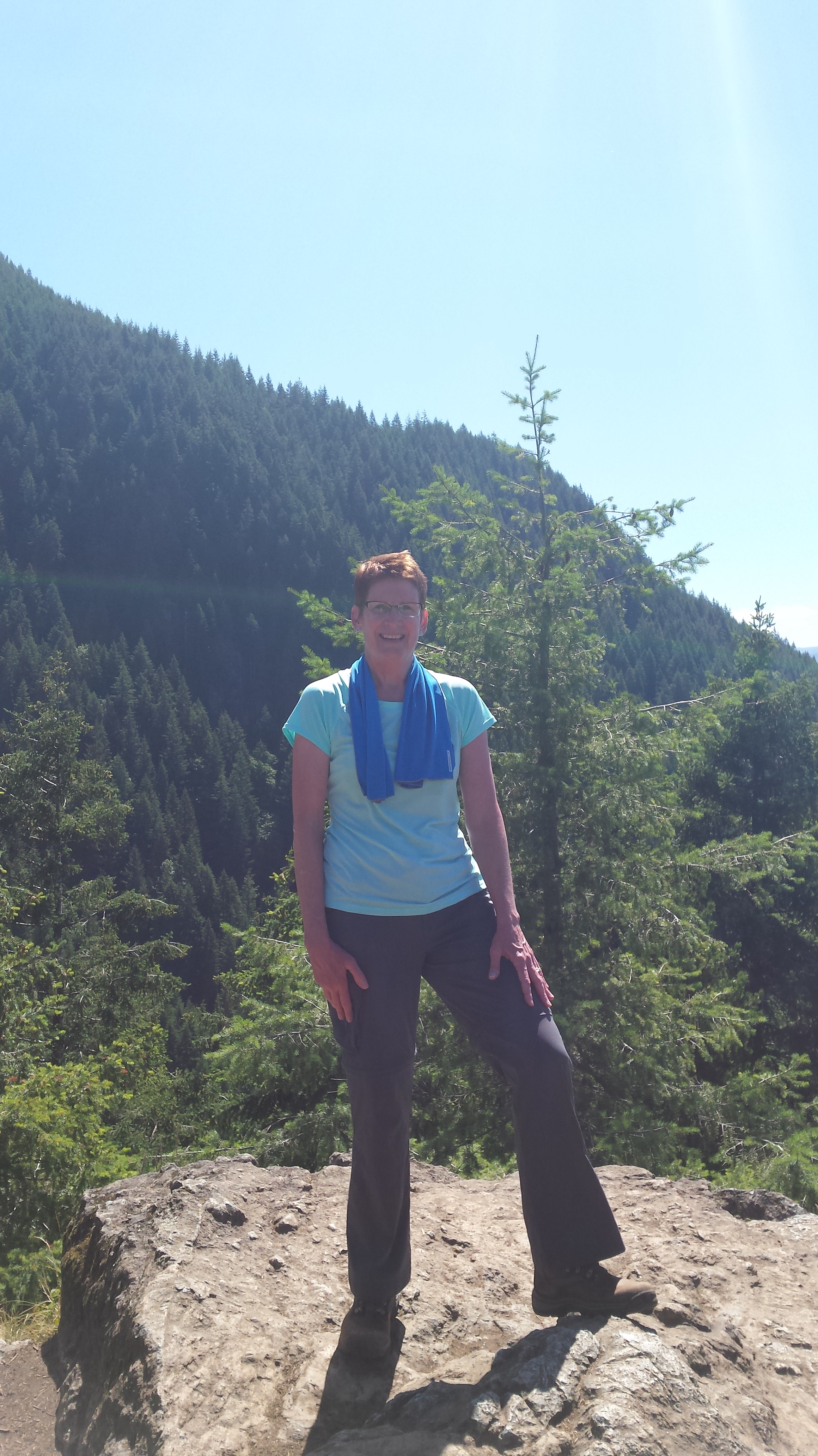
Then on the island of Maui – where temps near Haleakala crater were guaranteed to be in the 50s – we gathered our gear, climbed into our rental car, drove up eight miles of a single lane, severe hairpin-turn paved road, only to arrive at the dirt road that would lead us to the trailhead and find it was only traversable by 4-wheel drive vehicle. We’re veteran hikers so as I always do before a hike, I checked the trip reports and the State of Hawaii hike descriptions for any pertinent info we might need for that day’s adventure. There was no mention of the hazards requiring a 4-wheel drive vehicle and we sure as hell didn’t want to place our rental vehicle in jeopardy so we turned around.
That’s Mt. Rainier, folks, where we hiked early August
Disappointing, but at least I knew the week after we returned from our vacation we’d be scheduling a hike that would once again expose us to the expansive beauty we’ve grown to appreciate during our weekly hiking adventures.
Me & my hiking partner/hubby, on the Lake Twenty Two hike.
Fast forward to the morning after our late night return when yours truly missed the last stair as I ambled down to the first floor of our house and twisted my left ankle. Mind you, this is the same ankle that has managed to climb over rocks and boulders with nary an ankle tweak; an ankle that has even managed to jump off said boulders victorious and proud to be alive!
Kendall Katwalk that was NOT a cake walk
And let’s not forget THIS adventure where I conquered massive challenges and came out smelling like roses – or at least without any mangled body parts.
Alas, I accept my lot in life – knowing it’s only temporary – but not knowing how one might define “temporary” is a bit troubling for this Rocky Mountain High-kind of person.
Yep, I miss and crave the hiking high I’ve grown to love this past year, but there’s no need to feel sorry for me. My current situation has forced me to finalize the preparations leading up to writing my third novel in the 2016 NaNoWriMo month-long competition that begins November 1st.
I guess this is what was supposed to happen in order for me to write that bestseller over which publishers will surely clamber! If that’s the case I can be grateful that it will be awhile before I can satisfy my addictive cravings.
I sprained my ankle a few days ago so my mobility has been a wee bit restricted. My husband, my wonderful husband, has taken over ALL chores that we would normally split.
Said splitting includes laundry matters. I ventured out today for the first time in several days, driving and getting rid of to-dos on Irene’s to do list. Upon my return home, my most fabulous husband had cleared out all the baskets of soiled laundry needing attention and it wasn’t until I pulled items out of the dryer that I discovered he had washed and dried a pair of my jeans.
Now, living in the Pacific Northwest most people – male and female – own several pairs of denim pants. I own several but fortunately there was only one pair of my denim extremity-covers in the laundry basket. Apparently I own sufficient pairs of jeans that I can go a few days without wondering “what will I wear today?”
Anyway, the good news is that with all the hiking my husband and I have been doing, my jeans no longer fit my svelte body so more likely than not the jeans he washed and dried will fit me perfectly.
As for me? I’m not going to try on the machine-dried pair because I don’t want to discourage my husband’s generosity which pretty much year round – regardless of my physical limitations – is front and center 24/7.
So, thus said, I abdicate any perceived perfectly good reason to complain about my jeans.
After all, my most extraordinary husband was only doing what he felt would benefit me most. And jeans-fit or not, I’ve already benefitted.
The ledge to which I refer could be an actual ledge or it could be emblematic of an instance where the “woe is me” reflex actively takes over the peace and calm in which you luxuriated just seconds before.
If you’re like me in these instances – and I sincerely hope you are not – you assume the worst and project a dire outcome. This outcome projection may be somewhere near close to death, or even death itself if your imagination has its way with you. And guess what? If you’re like me – and this time I hope you are like me – you discover you were armed for bear but hunting squirrel.
Translation: your freak-out had no foundation on which to stand.
But we can get caught up in the emotion of it all, or the excruciating pain experience, and we start writing our obituary and wondering which photo should be included therein.
Case in point but definitely not as serious as death: my husband and I came back from a delightful two week vacation in Hawaii last week, arriving very late Wednesday evening, crawling into bed very early Thursday morning, one of us waking up mid-morning Thursday, ambling down the stairs for a cup of coffee, and missing the bottom stair.
Kerplunk!! Ass on the foyer hardwoods, my left ankle disgustingly twisted.
Quick action was required: plop my foot/leg on a pile of pillows and surround the mangled extremity with ice packs, of which we have many. Husband sitting to my right holding my hand – the perfect calming influence for me – me wondering if we’d be heading to the ER posthaste and should I change out of my nightclothes prior to doing so? And what about brushing my teeth? Should I forego such niceties?
Just one hour later having eased into being in the present moment rather than in some future moment, a trip to the ER became just a fantasy element of my creative literary mind. My ankle hurt like hell, but let’s face it, I was able to walk on it and if it were broken such efforts would have resulted in me landing on my derriere yet again because of a compromised bone structure required to prevent such a fall.
I did go to the doctor the following day just to make sure it wasn’t broken because I didn’t want to head into the weekend with that unknown looming over my head. And I’m glad I saw Dr. Liu, had I not, I wouldn’t have been able to add the following fashion accessory to my wardrobe:
I’m doing better with the armed for bear scenario ever since I started living the principles outlined in Ariel and Shya Kane’s many books, including Practical Enlightenment. I have a long way to go toward living in the moment 24/7, but I’m getting there faster than I would have in years past. And that’s a very good thing because where I live, bears and squirrels exist in abundance, and I’d rather not tangle with either of them.
I published this post in June of 2015. I am re-blogging it today as part of my weekly effort to propose – and promote – kindness. Just as we have the ability to recognize happiness in our own daily lives, we can also nurture a better quality of life in others, one small act of kindness at a time.
Every day, and every encounter during each day, we have the opportunity to do good, or to do bad; to improve upon someone’s day, or ruin it for them. Right now, or at the end of this day, thi…
Regardless of our circumstances we are in charge of our happiness.
Our happiness is most dependent on how we direct our lives in any given moment, every day of our lives.
I recently viewed an episode of Super Soul Sunday on OWN in which Oprah Winfrey interviewed Jeff Weiner, CEO of LinkedIn. During that episode he spoke highly of his mentor, Ray Chambers.
Ray Chambers is the founder of an extraordinarily successful private equity holding company who walked away from it all – with more wealth than one could spend in many lifetimes – to become one of the biggest philanthropists in the world.
On this particular Super Soul Sunday television episode, Mr. Weiner listed the keys for happiness that his mentor, Ray Chambers, passed along to him. I am committed to these very principles and as much as possible, have applied them in my life, for my own good, and for the greater good of all mankind. [My editorial input is in brackets.]
Five Keys to Happiness
Be in the moment. [This is what Ariel & Shya Kane of Transformation Made Easy have to say about this key: “This moment right now is all there is. Something in the future will not get here until it does, and when it does, it will occur as a moment of now.” If I had a penny for every worry or fear I’ve harbored throughout my lifetime, I could buy a publishing company and publish every book that I’ve ever written or have yet to write. Then with the leftover money, I’d solve world hunger, and every other plight, and have oodles of cash left over. What I’m trying to say is, I’ve been known to worry.]
It’s better to be loving than to be right. [This takes humility – and a whole lot of practice – but it’s so very worth it. Ariel & Shya Kane say, and I’m paraphrasing, You can either be right, or alive.]
Be a spectator to your own thoughts, especially when you become emotional. [I can’t count the number of times my knee jerk emotional reactions have benefited anyone, because they haven’t.]
Be grateful for at least one thing every day. [Some days we may have to get creative in coming up with that one thing but I am absolutely certain that we all can come up with that one thing.]
Be of service to others every chance you get. [Do little rather than nothing. The good we do doesn’t have to be grandiose or noteworthy. What matters is that we wear the mantle of compassion and servitude wherever we go.]
There are certainly many matters well out of our control, so isn’t it fabulous that happiness is not one of them?
Happy Friday everyone! Here’s this week’s positive encouragement to make a better world for yourselves, and others. Having a sense of community with those who live in the same neighborhood is a very good thing.
Lately, it seems everywhere I look I read articles about the importance of neighborhood connections. In the past few days I wrote two articles specifically addressing that concept: The importance of good neighbors, and Positive community activism.
The attached article above, written by Froma Harrop, compares today’s community with that which existed in the movie It’s a wonderful life, an annual Holiday classic. George Bailey’s bank customers and neighbors were people with whom he had a connection, “of varying incomes, education, and ethnicity. Each of them was an individual, not just a useful provider of a good or service.” Ms. Harrop goes on to say that the middle ring of society – as existed in George Bailey’s life – has been weakened over the years. Her article outlines her belief…
The longer our lifespan, the more likely each of us will need to be cared for. But one need not be elderly to require such care. Many illnesses strike without thought for a person’s stage in life.
Actor/comedian, Seth Rogen’s mother-in-law was diagnosed with Alzheimer’s in her 50s, an age that many consider to be the prime of life. The successful actor’s finances, plus those of several other family members, supported the care of which his wife’s mother was in need. In time, he, his wife, Lauren, and many others established Hilarity for Charity:
In 2012, Seth and Lauren (along with some amazing friends), created Hilarity for Charity. They later established the Hilarity for Charity Fund as part of the Alzheimer’s Association, through which monies raised are directed to help families struggling with Alzheimer’s care, increase support groups nationwide, and fund cutting edge research. Since its inception, Hilarity for Charity has raised more than $5 million to support these efforts.
One of the ways in which they provide this support is through caregiving grants that provide hours of home care for those struggling to survive the demands of a disease that is always fatal. Could you, or someone you know, benefit from such grants? Please avail yourself of the information provided on the Hilarity for Charity website.
For the next few Fridays, I am going to re-blog articles I’ve written over the years that address being a positive influence on the world around us. My about-face, (see my post Good Starts with Me) got me thinking about whether or not I’ve sufficiently addressed topics that provide encouragement to all of us, to live a life centered around acts of kindness for others.
Turns out I’ve written 216 posts on this subject. But have no fear, I won’t post all of them, but I will select a few to offer you on a weekly basis for awhile. I hope you enjoy them.
Helene Gayle, Care USA President and CEO, learned early on in her adult life that giving to others was a necessary part of her participation in this world. It makes sense, then, that she heads a major international humanitarian agency that delivers emergency relief and support for long-term development projects. This organization is nonsectarian, impartial, and non-governmental. In my estimation, what could be better than that? In the book, Getting There by Gillian Zoe Segal, Ms. Gayle had this to say about effecting social change:
Social change is better achieved by being for something (rather) than against something. Growing up, I was part of a protest generation. We protested the war and stood in support of liberation struggles in Africa. Whenever we saw a problem, we were “against” it.
It’s easy to think that by being against something you’re standing up for a cause, but if you want to have…
I follow a gentleman on Facebook, Prince Ea, a twenty-seven-year-old poet, filmmaker, and speaker who, according to his website, “has touched the hearts and souls of millions of people worldwide.” I can’t vouch for the millions, but I can vouch for myself: what he has to say has been inspirational and life-affirming.
The end of August he posted a video encouraging Facebook users to stop spreading hatred and anger in the stories they post; stories that might further inflame others. (Political news stories come to mind, and I’ve been fairly actively posting said stories.) Additionally, he talked about the domino effect of reposting flaming news stories or other flaming social media.
Let’s look at how this may work. Let’s say I read some story in the news, or even on other FB pages, that inspire me to re-post that same story on my own FB page. Now, by inspire what I really mean is incite. Maybe if I hadn’t posted that story on my timeline, none of my FB followers would have been exposed to it. Now they’re inspired/incited to re-post that same post and then more and more and more people have the opportunity to get p*ssed off just like I was p*ssed off when I first read it.
Yuck. Now I’m responsible for inciting hatred and anger from innocent people who had the misfortune of having read my posting.
The flip side of this process is that a positive domino effect proceeds from Facebook posts that are less about the sh*t that makes us mad, and more about the good stuff that makes the world a softer place.
So enough. From now on – and this is gonna be difficult during the final weeks of this election season – I’m only going to post or repost stories on Facebook that might have the effect of affirming others; of lightening someone’s mood; of making others feel glad they woke up that day.
And where my blog is concerned, when writing new articles that my followers have the opportunity to read, I will make sure that regardless of the topic, there will always be a redeeming element that provides positive direction and hope in the midst of the life-topics that inspire me to spend hours providing content – over 750 blog posts thus far – to my followers on WordPress, Facebook, LinkedIn, and Twitter.
And now that I’ve announced this about-face on my part, I’m gonna do my level best to adhere to it. I’m only human . . . and I’m just as sensitive as the rest of you . . . but I’m still gonna give it the ol’ college try.
Mike Ditka, Hall of Fame NFL player, coach and TV analyst recently had this to say when asked what he would do if he were President of the United States:
“I’d focus on being a leader, not a reactor. We have too many reactors in this world.”
Even at my age, I live by the school year calendar. When a new school year approaches, I oftentimes find myself reassessing where I am, and where I’m going – not unlike what so many of us do the first of every new year. This post flows from that assessment and has been ruminating in my mind for some time now.
Maybe it’s my advancing age, or maybe it’s the wisdom that has come with my advancing age, but I’m constantly reminded how important it is to live NOW; in the present. We have limited time on this earth. Time is a luxury we can not afford to waste, and yet so much of our time falls into that wasteful category.
If you were diagnosed with a terminal illness, wouldn’t you do all you could to squeeze every last drop out of your life? I know I would because I would have no choice in the matter.
But those of us who have not been given a medical death sentence do have a choice. We can be engaged in this only life we’ve been given, or we can waste it.
We can wile away the hours of each day lamenting what isn’t and complaining about what is, or we can live in the present and accept what we can’t change and do something about that which we can.
The truth of the matter is, we all have restrictors strapped to our lives. They may be physical or medical restrictors; financial or situational restrictors. No one escapes what life dishes out, but we all have a choice about what we do with what we’ve been served.
That’s a very heady responsibility we’ve been given.
I mean, wow, it’s my life, I get to choose how I live it. I can choose to remain as I am, or I can do something this very day to make things better.
Waiting even one more day means that’s one more day I will have wasted.
I’m not willing to do that, I mean . . . what if tomorrow brings about that death sentence I thought I had avoided?
For several weeks this summer, Mary taught an art class at The Leaven summer fun program in the town of Vacaville, California where she resides. As is often the case when parents sign their kids up for activities, not every child is enthusiastic about being forced to have fun with others.
That was the case for one of Mary’s students in her weekly classes. A thirteen year old boy – at least five years older than the rest of the students – couldn’t have cared less that my sister volunteered her time to pass along her passion for painting to the young participants. His weekly modus operandi was to quickly, and haphazardly, make whatever project my sister put before him, followed by him then crossing his arms in front of him while the rest of the children worked painstakingly to create what Mrs. Riesche had taught them to create.
During one particular class, the thirteen year old said that he didn’t like what he had done; that he needed to erase it or better yet, give up on the project. My sister stepped in and said the following to him, and I paraphrase:
Never give up, just keep going. You never know when what you consider to be a mistake may eventually turn into something remarkable.
As the very last art class of The Leaven’s artistic summer fun session came to a close a couple weeks ago, the Director queried the children, “What did you learn from your time in Mrs. Riesche’s art classes this summer?”
What happened next caught my sister totally off guard. The thirteen year old boy raised his hand, and said, “That I should never give up. That I should keep going regardless of how I feel about something.”
And there, my friends, is influence in action.
I told Mary I was certain this young boy would carry that lesson on tenacity with him into high school, college, and beyond. Perhaps he won’t remember the art teacher who made that lasting impression on him – I’d like to think that he will – but he will most certainly remember the sage advice my sister bestowed on him the summer of 2016.
Congratulations, Mary Riesche. You changed a child’s life forever.
Stronger Together was the major theme of the Democratic National Convention (DNC) and it was the stand-out focus of Hillary Clinton’s acceptance speech on July 28th.
Whether you follow the “It takes a village” concept – or simply believe that our lives can be positively enhanced by others – you most likely believe as I do, that two is better than one; three is better than two; four is better than three . . .
Mind you, I am perfectly capable of accomplishing many things for which I require very little – if any – assistance. But when I attempt to do something for which others’ participation may add strength – emotional or otherwise – and value to my efforts, I’m welcoming of others’ participation.
Ariel and Shya Kane, authors of several books, including Practical Enlightenment, (free for Kindle Unlimited subscribers) have the following to say about not going it alone. I quote verbatim from their chapter “You Can’t Do it Alone”:
Independence and freedom are the background upon which many of our lives are played. So we may not be making use of our support system of friends around us because we’re locked into an unexamined need to prove we can do it alone . . .
Having someone to talk to, to share ideas with, to support you in going for excellence and not quitting on yourself is a rare gift. When you are feeling down and it all seems too hard to continue, those are the moments that a community can support you in rediscovering well-being. It’s easy to get discouraged. Life is full of disappointments, but when you realize you’re not traveling that road alone, you can keep going.
When you’re in a community, you realize that you make a difference, that you matter. This supports you in being your true self and supporting others as well, which is truly satisfying.
Our nation is divided in so many ways, especially from a political perspective. In May of this year I wrote an article Us Against Them Mentality, that addressed this type of party divisiveness.
The simple point I want to make today, however, is that I believe we need to make a concerted effort to pull away from the Me, Myself, and I paradigm and adopt an Us outlook. Doing so opens up so many healthy possibilities:
we’ll be more aware of the needs around us;
conversely, we’ll be more inclined to accept help when offered;
we’ll be giving others – friends and strangers – an opportunity to exercise their strengths in the midst of our weaknesses;
we’ll build community where previously none existed;
we’ll release positive energy into our little portion of the universe, rather than infect that same space with selfishness, hatred, and bitterness.
It’s virtually impossible to be a violent person – in actions or in words – if we’re practicing what is listed in the above bullet points. If we truly live our lives outwardly, we’ll create a binding strength that will make us stronger as individuals, while also creating an indestructible civilization that can stand up against anything that gets thrown in its path. I certainly can’t say the same for the Me, Myself, and I method of existence.
No. I alone can not do it . . . no one can.
The sooner we realize that fact, the better off we’ll all be.
Don and Pat Desaulniers (who later changed the spelling of their surname to Desonier to make it easier for Americans to pronounce…it didn’t, they still slaughtered the pronunciation) and Donald and Mary Desaulniers moved to Philadelphia, PA from Canada and eventually relocated to Los Angeles, CA.
Not me. I was born in Pasadena, CA shortly after my family moved to the west coast. Does it get any more American than that?
You see, way back when, my father was a hard working employee of Manufacturer’s Life Insurance Company, an international company based out of Toronto, CANADA, and he was offered a position in !AMERICA! that he felt he couldn’t refuse because he loved his wife and young family and was given the opportunity to move up in the company’s employee ranks and by God he jumped at the opportunity. My father retired from Manulife after 50 years of service with them.
Such a cutie, that brother of mine
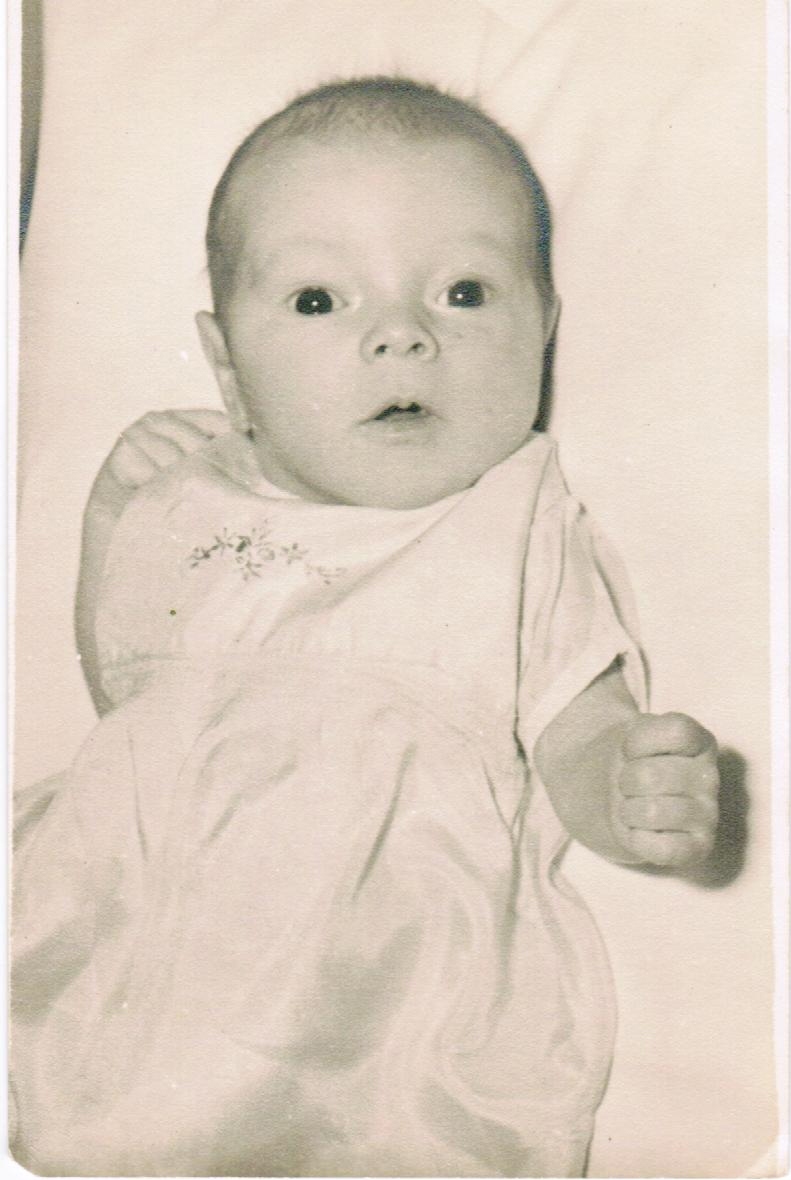
My parents felt strongly about being an involved, integral part of American society so they let go of their Canadian citizenships and became American citizens along with my brother and sister, and of course since I was born in America, I was instantaneously a citizen. Lucky me.
My fabulous immigrant sister
I’m quite certain most people reading this post can trace their ancestry to other countries, and many of you don’t have to go very far back – just as I only needed to go back to the early 40s with my immediate family to find the start of my ancestry’s foray from a foreign country into the United States.
Other than Dad, no additional members of his family of six moved to the United States but four of six adult children in my mother’s family of eight are immigrants. Counting my siblings, aunts and uncles, and numerous cousins, close to 68% of my immediate Desaulniers/Conroy family members made the move to the United States and I assure you, they were welcomed, and as far as I know, the United States still treats its Canadian immigrants as they did my parents so many years ago. Or maybe I missed current headlines declaring that Canadians weren’t welcome and that a wall should be built between our northern border with Canada…
Did I miss something?
Why aren’t American citizens up in arms about the influx of immigrants from non-Muslim countries and those from countries that aren’t Mexico who’ve made the United States their home: Canadians, Eastern Europeans, the French, Italians, Australians, New Zealanders and Germans to name just a few? Americans’ arms are spread wide for those who aren’t a part of America’s “no-entry” list, and I applaud their generous gesture.
Answer me this: do intelligent Americans actually believe that if you’re coming into our country from a primarily Muslim country, you’re a terrorist? Seriously? And do those same Americans believe that immigrants from Mexico are murderers and rapists and have taken away the jobs in which they, the Americans, are most interested?
I believe as my parents did, that when you’re living in a country and benefiting from its resources you should give back to the country, which sometimes means becoming a citizen but not always. What about those legal immigrants who – having families just like mine – want to do all they can to create a safe, healthy, and financially secure existence for their loved ones by working in America, getting involved in commerce (aka buying stuff in America), volunteering in their communities, and being good neighbors? They are an integral part of the melting pot that we so proudly boast as being what a well-rounded and diverse society should look like.
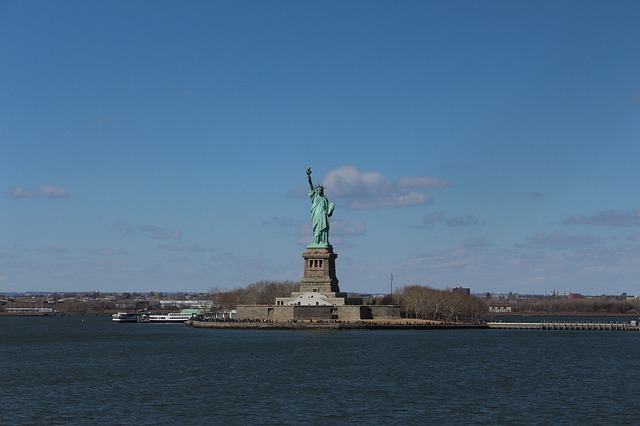
I don’t know, maybe we should just scrape the inscription off the Statue of Liberty if indeed Americans are no longer willing to welcome those whom we’ve graciously invited to our very shores for so many years. If the invitation is no longer being extended – or if it’s being ruthlessly discriminatory – don’t tease the huddled masses from afar, and don’t pretend to be the extraordinary country I’ve called my home since 1953.
“Give me your tired, your poor, your huddled masses yearning to breathe free, the wretched refuse of your teeming shore. Send these, the homeless, tempest-tossed to me, I lift my lamp beside the golden door!”
A little bit of backstory about myself: I was raised Roman Catholic, then in the late 70s I steered clear of any religious involvement for several years, then I became a born again Christian in 1981, actively involved for thirteen years, then in the late 90s, I went back to the Catholic church and was very active in said church, then in 2013 I abandoned that church for good when intolerance was exhibited regarding gay marriage.
I didn’t, and don’t, believe that everyone in the Catholic church is intolerant – not at all – but when the local Catholic archdiocese instructed parish priests on how to block a political vote for gay marriage, I was outta there. One of those measures saw a petition table set up during church services so that people could voice – by their signature – their opposition to the measure.
That went over the line of separation between church and state. My worship space was violated: the space where a loving community of fellow believers assembled to worship God and emulate Christ.
I’m pretty damn familiar with the Bible. During my thirteen years in an evangelical church, I read the big book from beginning to end twice a year, I went to church three times a week and heard many, many scripture readings and sermons, and I went to Bible study once a week. For several years I led a Bible study group for single mothers – myself being one at the time.
Anyone who has read the Bible, regardless of how he or she may interpret some of the teachings therein, has to conclude and profess that God is about love; that to live a life modeled after Christ is to live a life in which love, acceptance, inclusiveness, and lack of judging ones fellow man is at the forefront.
I’ve seen many news and social media postings over the years – and increasingly so during this current election cycle – where hatred oozes from the words on the page. These postings written in the name of God and/or Christ spew hatred in record volumes. They are:
Anti-Muslim
Anti-gay
Anti-immigrant
Anti-younameit
Bear with me for a moment. Let’s pretend that Jesus Christ – savior, prophet, and Son of God – is alive and physically present at this writing. He goes to work like everyone else; he purchases his venti double-shot latte at his favorite Starbucks just like you and me; he mows his lawn, washes his car, gets stuck in traffic just like the rest of us mortals. In short, he’s participating in life as many of us know it.
When Jesus is standing at the water cooler on a Friday afternoon with the rest of his coworkers discussing the upcoming weekend’s plans, and/or the state of the current election season, is he full of love or hate for those with whom a certain percentage of our society have a bone to pick?
Does a homophobic slur escape from his lips when someone known to be gay at his work place announces his plans to participate in that weekend’s Pride Parade?
Does he elbow a fellow nine-to-fiver in the ribs and say, “Here! Here!” when that employee speaks ill of people of certain faiths?
Does Jesus get on the anti-immigrant bandwagon and ask, “Where do I sign up for that wall construction? God knows, I’m pretty darn good with tools!”
Is that the Son of God that exists in the Bible?
Is his intolerant and judgmental behavior what one would expect of a child of God?
I don’t think so.
So why are so many children of God behaving that way? The manner in which they discard Christ’s teachings makes one think that these mere mortals believe they know better – and are better – than the person after whom they are supposed to be modeling themselves.
Please, if that’s the case, don’t call yourself a follower of the loving, forgiving, God I grew up knowing.
Give yourself a different moniker than Christ-ian.
How about:
Herod-ians?
JudasIscariat-ians?
Abimilech-ians?
Absalom-ians?
Jeroboam-ians?
Belshazzar-ians?
Pick a name, any name but “Christian” because you’re not representing the God of love; not by any stretch of the imagination.
You know how it is. You don’t want to feel numb. You know that numbness is just pain postponed. Novocained. You know that, in order to get through this, you’ve got to feel. And so you go about your day. You get in the car. You turn on the radio. Some of the speakers […]
Older people are no different from any of us. People with dementia are no different from us. They all, we all, have the same feelings and needs.
They want to laugh and be silly, they want to be listened to and be taken seriously, they want to be reassured and loved, they want to love and be helpful, make a contribution, just like everyone else.
I learned that here.
It is my hope that all of us learn that same lesson so that whomever is in our lives, so that all those with whom we come in contact, we’ll be able to recognize ourselves in them and perhaps treat them with the respect for which all of us yearn.
While waiting for an appointment the other day, I picked up the May 2016 issue of O Magazine and read a brief article by author Elizabeth Gilbert, of Eat, Pray, Love fame in which she relayed her experience riding a cross town bus in New York City – a bus filled with sweaty, disgruntled, rude, and combative passengers. It was the end of the business day for most and from Ms. Gilbert’s perspective, it appeared that every one of them – her included – had had a shitty day. Add to that, the weather was less than accommodating.
The bus driver got on the intercom and announced (I’m paraphrasing here):
I know you’ve all had a lousy day for one reason or another. You’re either upset about something that happened to you today or by what’s currently going on in your lives.
This is what I’d like you to do. When it comes to your bus stop, I’ll hold out my hand and I want all of you to drop your troubles in my hand as you exit the bus. When I get to the Brooklyn Bridge, I’m going to toss all of your troubles out my window.
Will you do that for me?
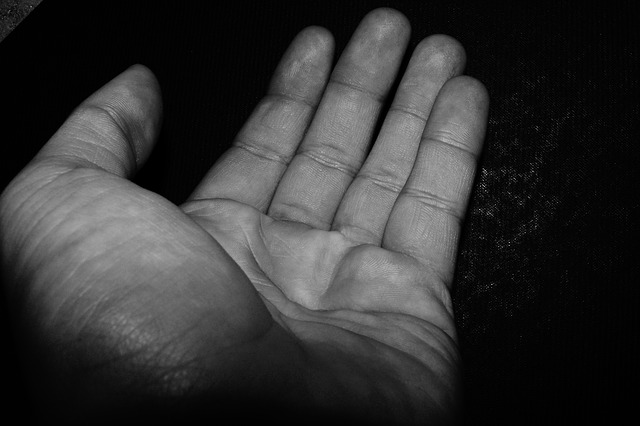
You can imagine the mixture of mumbling and giggling that ensued after that announcement but at the very first stop, the disembarking passengers symbolically dropped their troubles into the driver’s out-stretched hand.
And then every passenger did the same at each stop along the route.
What a wonderful gift that driver gave to all the perfect strangers that rode his bus that afternoon, a gift that cost him nothing but benefitted so many.
Every day, in so many ways, you and I have the ability to lighten another person’s load.
My husband and I have the privilege of being able to hike during the work week because he’s now retired and we’re not reliant on the weekends to do fun stuff any more. So I took my early 60s body on a hike the other day and let me tell you, it was a doozy.
Now some of you may think that an elevation gain of 1100 feet isn’t all that difficult but my body says otherwise. The incline up the mountain was a looooong one so you’re constantly climbing up, up, up, and your hamstrings are spouting off swear words you never thought you’d hear coming from such a close member of your body.
Added to that, your heart is accustomed to brisk walks through the hills of your neighborhood as well as high-resistance recumbent bike riding both of which should have prepared it for the heart-pumping action required for a mountain hike. Right?
Not so much.
We had never hiked Rattlesnake Ledge before so we had yet to memorize every twist and turn of the trail. We also weren’t intimately acquainted with the 1000s of evergreens along the way so we had no way of answering the question, “Are we there yet?”
Proof I eventually made it to the top…1 1/2 hours after we began.
Just about the time I spouted off that question what did I see ahead of me but a fellow hiker in his late 80s to early 90s coming down off the mountain…with a smile on his face…carrying a hefty backpack on his somewhat stooped over back. I turned to my husband and said, “Shit! If he can do it, I can do it!” We spoke briefly with the elderly hiker and then we huffed our way up the trail, eventually making it to the top for a picnic lunch.
We caught up with him on the way down the mountain – at his age he certainly takes a wee bit longer to ascend and descend the trail – and being who I am, I started a conversation with him. Come to find out, not only has Ray hiked Rattlesnake Ledge numerous times, but decades ago, he hiked Mount Rainier several times.
“That was decades ago. I certainly couldn’t do that now.” To which I responded, “Look, Ray, you’ve accomplished that feat and we haven’t. And not only have we not accomplished that feat but we have no aspirations of ever doing so.”
Because I tell just about everyone my hubby and I come in contact with that my husband is retired, I told Ray that Jerry had just retired from Boeing after 38 years of service at the company. Ray replied, “I’ve been retired for 30 years now and I’ve loved every minute of it.”
So this is what I’ve concluded: Ray knows how to enjoy life, but not only how to do that but how to really and truly occupy his life. His current life is not just a placemaker until better things come along. NO, he’s making things happen while he still can rather than waiting on the sidelines where nothing ever happens.
As my husband and I were about to continue down the trail ahead of Ray I said, “Glad to know your name Ray, that way when I see you again, I’ll know what to call you.”
“Well, I don’t know how much longer I’ll be able to keep up this pace. I may not be on this trail again.”
To which I responded, “Ray, that could be said of everyone on this mountain, myself included, but something tells me we’ll be running into each other some day soon.”
So I learned lots of stuff from my hike the other day. Just because the hike was somewhat uncomfortable – okay, a lot uncomfortable – doesn’t mean I wasn’t supposed to do it. I have to say, once I got home and showered I was astonished to hear myself thinking, “I’d be willing to do that hike again, and one even more difficult than that.”
We look back on difficulties/mountains in our life that at the time seemed insurmountable but when we consider where we’ve been and where we are now we can say not only did we get through it but we’re feeling far more competent to take on even more as a result.
We don’t have to perfect every new endeavor the first time out. Perfection isn’t our goal, is it? I tend to believe that if perfection were our goal, we’d just stay put and never venture out to discover what we’re capable of.
And a last note on this subject: as my husband and I were gleefully hiking down the mountain we came across numerous people huffing and puffing their way up the trail. One or two groups stopped us to ask how much longer it was to the top. We couldn’t lie to them, that wouldn’t be fair, so when this one group of girls in their late teens asked, “Are we there yet?” we had to inform them that they were just over a quarter way up. Oh, the groans coming from them were hilarious but we didn’t laugh at them, my husband simply said, “You can do it!”
To which I’m sure they said – out of our earshot – “If those geezers can do it, we can do it!”
Dedicated to unappreciated care partners worldwide. Thank you for all you do. Dear random person who sees my care partner from time to time and feels the need to point out s/he has bruises all over her/his body that look frightening and s/he has really declined a lot since the last time you saw her/him and…
Through comments by someone I follow on Twitter, I stumbled on the key to living in – and thriving on – the present. Authors Ariel and Shya Kane [@ArielandShya] went through trial and error during their early adult lives in their attempt to find fulfillment.
If you read even one of their books, you’ll discover that they admit their journey took them to many places and venues, under varying conditions, spending great and small amounts of money, only to find the answer to their quest in their every day experiences.
If we’re aware and focusing on the present we’ll find life lessons everywhere we look.
We can be deaf and blind to those lessons, but it doesn’t take a trip to India, a luxury spa, or even a therapist’s office, to practice the art of thriving exactly where we are.
The painful yet honest truth is that we excel at complaining and stressing about situations in which we find ourselves: traffic, long lines at the TSA security checkpoint, our job or lack thereof, boredom, illness, and so on. But if we’re honest with ourselves – and lately I’ve been painfully honest with myself – we’ll conclude that complaining and stressing out over such situations does nothing toward changing them. But changing the way we view those situations does alter how we react to them and therefore how we feel about that moment of time in which we’re inconvenienced because what we would have preferred to happen, did not.
When did your complaining about a lengthy red light – when you were endeavoring to get to an appointment on time – actually make the green light come quicker?
Cathy, seated in light colored jacket next to standing woman in red jacket, one of her daughters. My sister is to Cathy’s right. My sister’s entire family is pictured, minus one daughter-in-law, and a few grandkids who were born since this photo was taken.
My sister met her biological mother several years ago. Ever since that time I’ve dreamed of flying to Manitoba, Canada – where her mother lives – with my sister to meet Cathy. That didn’t transpire but in the alternative I planned on sending Cathy a letter to thank her for the unselfish and generous act of placing my sister up for adoption when she found herself pregnant as a high school teenager.
Had she not placed my sister up for adoption way back in 1952, I wouldn’t have the wonderful, giving, fabulous, sister I have today. I wanted to thank Cathy for giving me the best sister a person could ever have.
Guess what, folks? I can’t do that now because Cathy died of a massive stroke this past Mother’s Day. Oddly enough, for the past three weeks I’ve said to myself more than a half dozen times, “I’ve really got to ask Mary for Cathy’s address so I can mail her that letter.”
I guess my intuition is stronger and more reliable than my constitution. I guess I thought I’d have plenty of time to gift Cathy with that letter. How moronic is that, folks? The next minute isn’t guaranteed so why would I think a woman in her 70s would be sitting around just awaiting for the time when I would finally get off my ass and make good on my plans?
Do me a favor, all of you who are reading this post:
do what you intend to do as soon as possible.
I don’t know what that intention may involve. Reconciliation with someone? Complimenting someone who could really benefit from your kind words? Asking forgiveness of someone for prior acts of which you’re ashamed?
Regardless of what that intention looks like, please put it into effect today, not tomorrow.
My writing journey began at the age of four. My brother and sister had already started their school careers but being the youngest, I was stuck at home, resentful that I wasn’t old enough to join their ranks.
My mother was the fastest typist I had ever seen in all my four years. One day, fully mesmerized by my mother’s rapid-fire key pushing, I asked if I could try it out because I had nothing to do but had something to say. I lacked the prose skills to attack such an endeavor but truth be told, I was more interested in pounding on the keys than I was in making any sense. Two pages and numerous typewriter ribbon and key jams later, I completed my first manuscript.
In those days, my entire family sat at the dinner table to consume the evening repast. This was an opportunity for each of us to share what transpired during our day. With much frustration and boredom, I waited for my siblings to finish relaying the drivel of their scholastic school days so that I could read the magnum opus that I managed to produce in one sitting at the typewriter. Mom sat next to me, and looking over my shoulder said, “Irene, it’s your turn. I see you have lots written on those pages so you better get started.”
Mom and dad on their wedding day
So I did. I launched into a magnificent story – the gist of which I fail to remember decades later – but I delivered this story with great conviction and a feeling of growing self-importance. My mother silently read along with me, nodding her head as I read each paragraph, encouraging me with a smile now and then. A good ten minutes later I reached the end of my manuscript and with great flourish, I folded the pages in half and placed them on my lap. Mom and Dad were impressed; my big brother and sister dubious; I was in heaven.
Here’s a brief example of what my first manuscript looked like:
ashepigu a;lskhg iwyhasi8tq cmiuqtgpigub 1tpdp
For ten minutes and two pages I read typed gibberish with bravado and my mother never gave away my secret. She didn’t out me. I am certain that Mom’s encouragement and acceptance of my efforts contributed to my infatuation with all things reading and writing.
For the past four years I’ve been in the ranks of writers who submit, get rejected, and submit again. I’ve written two novels, the first of which I queried (seeking literary agency representation) for a year – thus far with no success – and the second of which I’ve just started querying.
I can’t foresee the future, but I do see my mother looking over an agent’s shoulder, nodding and accepting every word I’ve written.
All gibberish aside, I can’t lose with her ongoing support.

 Kindness towards others doesn’t have to be grandiose. I mean, painting a next door neighbor’s two-story house is a very kind thing to do but many of us don’t have the capabilities to pull off that type of kindness.
 I’m reblogging this article I wrote in April of 2013 because it comes up in my blog stats as being extremely popular to many of you out there. I can only conclude that it’s popularity remains high because there are so many caregivers in the world who are tangled up in a daily life that centers around those with Alzheimer’s disease or other dementia. I hope many more will be encouraged – and pleasingly challenged – by what I have to say in this post.
 Why do we do it?
 Won’t you join me?
 I’ve been authoring this blog, Baby Boomers and More, for five and a half years. Perhaps that’s a record for blog ownership, I’m not sure, but what I do know is that I thoroughly enjoy writing about matters of significance. I guess that’s why my blog has survived as long as it has: there are a heck of a lot of things going on in the world that fall into that category.
 If we consider all the people with whom we come in contact as being members of the same team, we will do all we can to support them. We’ll bolster rather than compete; we’ll pick them up rather than step over them as a means to an end; we’ll exhibit respect for each other’s talents while nurturing our own; we’ll not take advantage of weaknesses in order to falsely boost our own strengths. In short, we’ll stand by our teammates and want only the very best for them.

 When a person or a group of people stoop low in the way they communicate or behave towards you or others:
 A writer’s journey frequently contains many potholes, speed bumps, hairpin turns, and dead ends. For those who have yet to be published, what it rarely contains are successes and affirmations.
 Before I contact an agent I research him or her like a detective looking for a stray hair of evidence. I read interviews they have given, I follow them on Twitter to see how they conduct themselves on social media, I check databases for the titles they do represent, I do Google searches to learn of any hidden matters I should know that may make this agent someone I could work with, or someone I wouldn’t even want to stand in line behind at the happiest place on earth, Disneyland.
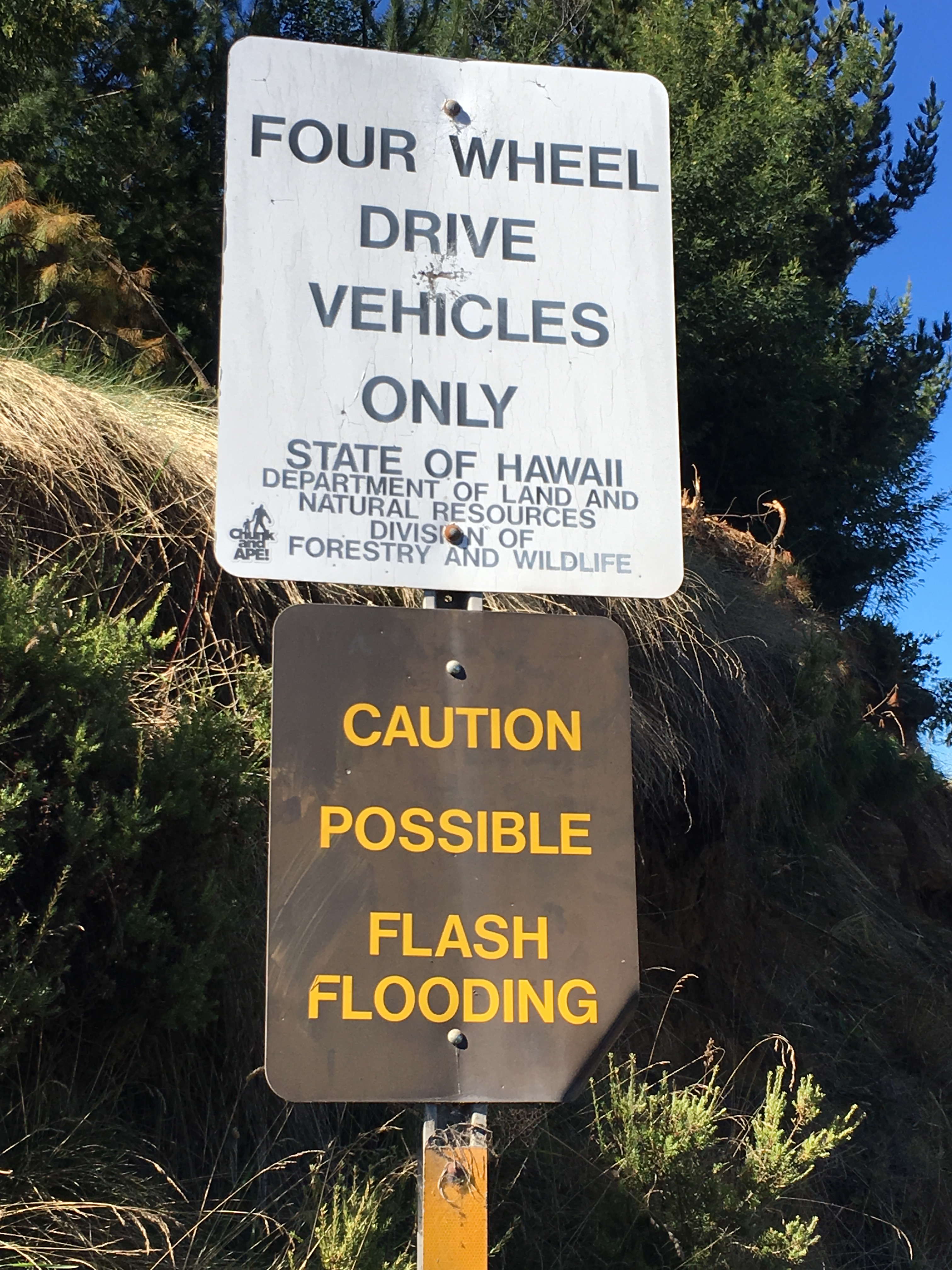 Then on the island of Maui – where temps near Haleakala crater were guaranteed to be in the 50s – we gathered our gear, climbed into our rental car, drove up eight miles of a single lane, severe hairpin-turn paved road, only to arrive at the dirt road that would lead us to the trailhead and find it was only traversable by 4-wheel drive vehicle. We’re veteran hikers so as I always do before a hike, I checked the trip reports and the State of Hawaii hike descriptions for any pertinent info we might need for that day’s adventure. There was no mention of the hazards requiring a 4-wheel drive vehicle and we sure as hell didn’t want to place our rental vehicle in jeopardy so we turned around.
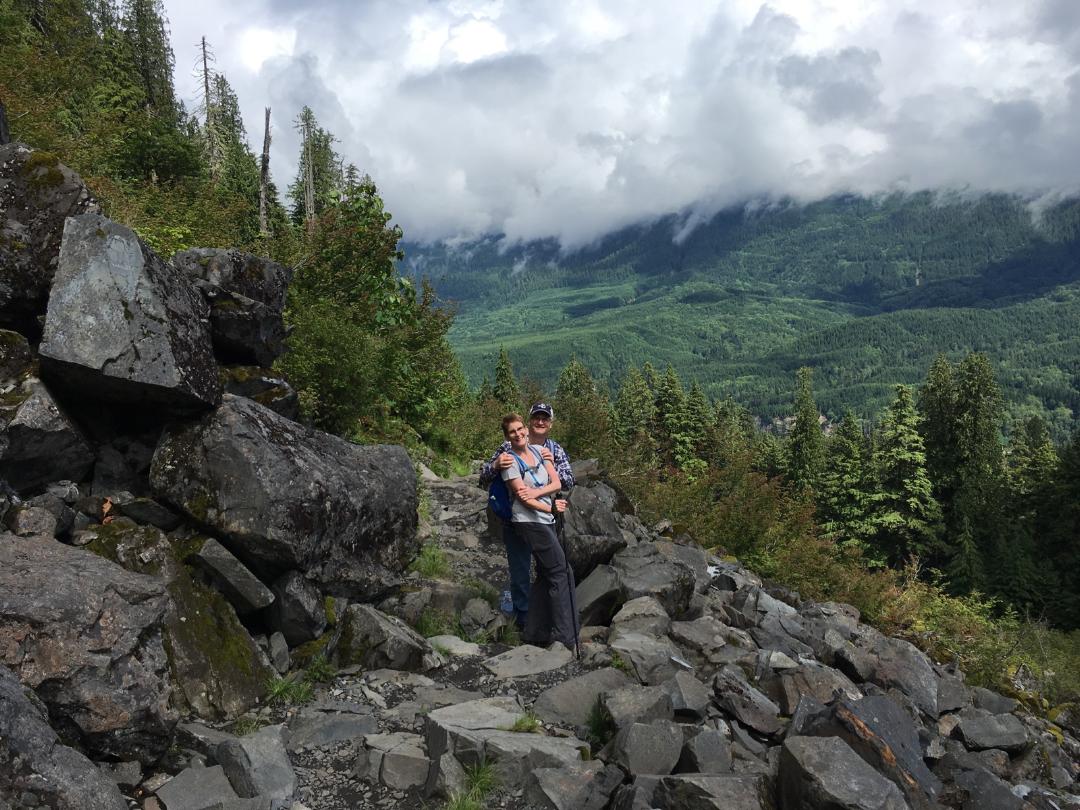
 Yep, I miss and crave the hiking high I’ve grown to love this past year, but there’s no need to feel sorry for me. My current situation has forced me to finalize the preparations leading up to writing my third novel in the 2016 NaNoWriMo month-long competition that begins November 1st.
 Said splitting includes laundry matters. I ventured out today for the first time in several days, driving and getting rid of to-dos on Irene’s to do list. Upon my return home, my most fabulous husband had cleared out all the baskets of soiled laundry needing attention and it wasn’t until I pulled items out of the dryer that I discovered he had washed and dried a pair of my jeans.
 I published this post in June of 2015. I am re-blogging it today as part of my weekly effort to propose – and promote – kindness. Just as we have the ability to recognize happiness in our own daily lives, we can also nurture a better quality of life in others, one small act of kindness at a time.
 Lately, it seems everywhere I look I read articles about the importance of neighborhood connections. In the past few days I wrote two articles specifically addressing that concept: The importance of good neighbors, and Positive community activism.
 The attached article above, written by Froma Harrop, compares today’s community with that which existed in the movie It’s a wonderful life, an annual Holiday classic. George Bailey’s bank customers and neighbors were people with whom he had a connection, “of varying incomes, education, and ethnicity. Each of them was an individual, not just a useful provider of a good or service.” Ms. Harrop goes on to say that the middle ring of society – as existed in George Bailey’s life – has been weakened over the years. Her article outlines her belief…
 The longer our lifespan, the more likely each of us will need to be cared for. But one need not be elderly to require such care. Many illnesses strike without thought for a person’s stage in life.
 The end of August he posted a video encouraging Facebook users to stop spreading hatred and anger in the stories they post; stories that might further inflame others. (Political news stories come to mind, and I’ve been fairly actively posting said stories.) Additionally, he talked about the domino effect of reposting flaming news stories or other flaming social media.
The truth of the matter is, we all have restrictors strapped to our lives. They may be physical or medical restrictors; financial or situational restrictors. No one escapes what life dishes out, but we all have a choice about what we do with what we’ve been served.

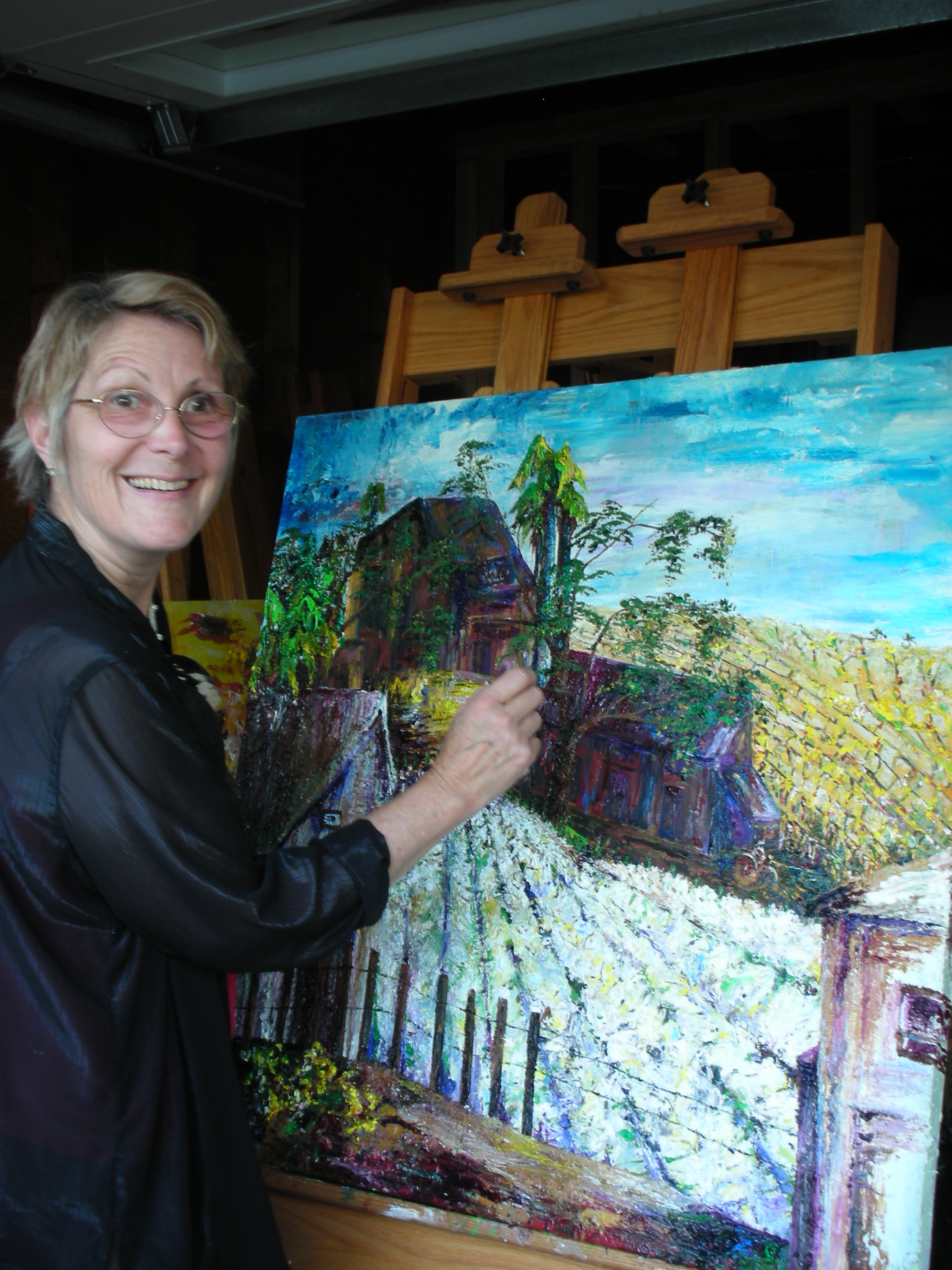 My sister, Mary Riesche of Mary Riesche Studios, inspired this blog post.
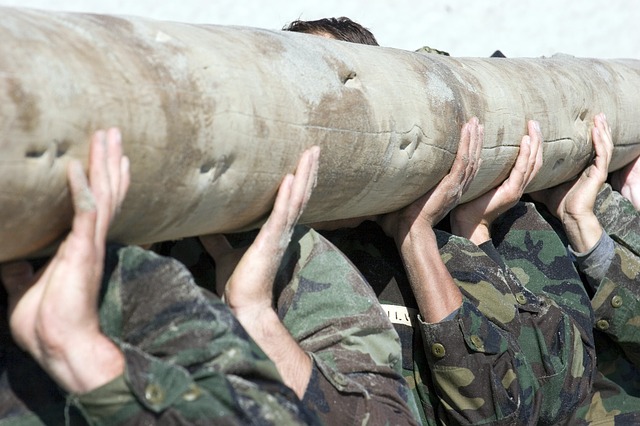 Mind you, I am perfectly capable of accomplishing many things for which I require very little – if any – assistance. But when I attempt to do something for which others’ participation may add strength – emotional or otherwise – and value to my efforts, I’m welcoming of others’ participation.
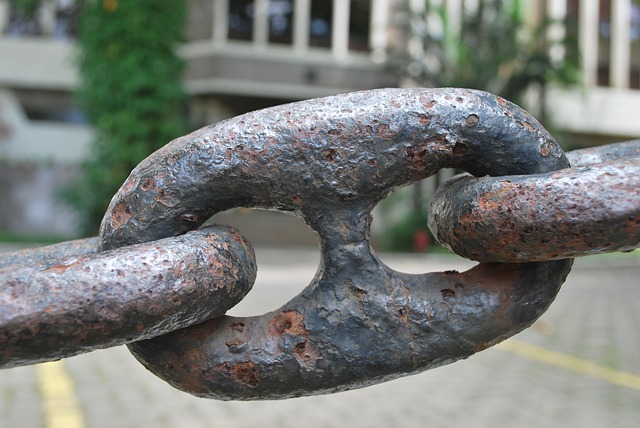 It’s virtually impossible to be a violent person – in actions or in words – if we’re practicing what is listed in the above bullet points. If we truly live our lives outwardly, we’ll create a binding strength that will make us stronger as individuals, while also creating an indestructible civilization that can stand up against anything that gets thrown in its path. I certainly can’t say the same for the Me, Myself, and I method of existence.

 A little bit of backstory about myself: I was raised Roman Catholic, then in the late 70s I steered clear of any religious involvement for several years, then I became a born again Christian in 1981, actively involved for thirteen years, then in the late 90s, I went back to the Catholic church and was very active in said church, then in 2013 I abandoned that church for good when intolerance was exhibited regarding gay marriage.
 Bear with me for a moment. Let’s pretend that Jesus Christ – savior, prophet, and Son of God – is alive and physically present at this writing. He goes to work like everyone else; he purchases his venti double-shot latte at his favorite Starbucks just like you and me; he mows his lawn, washes his car, gets stuck in traffic just like the rest of us mortals. In short, he’s participating in life as many of us know it.
Black, brown, or white.

 In the book A Different Perspective on Alzheimer’s and Other Dementias: Practical Tools with Spiritual Insights, author Megan Carnarius relayed a conversation she had with one of the employees she supervised in a long-term care facility who was moving out of state. Ms. Carnarius asked this young caregiver what she had learned from her job of four years. This is what she said,
 While waiting for an appointment the other day, I picked up the May 2016 issue of O Magazine and read a brief article by author Elizabeth Gilbert, of Eat, Pray, Love fame in which she relayed her experience riding a cross town bus in New York City – a bus filled with sweaty, disgruntled, rude, and combative passengers. It was the end of the business day for most and from Ms. Gilbert’s perspective, it appeared that every one of them – her included – had had a shitty day. Add to that, the weather was less than accommodating.
 The bus driver got on the intercom and announced (I’m paraphrasing here):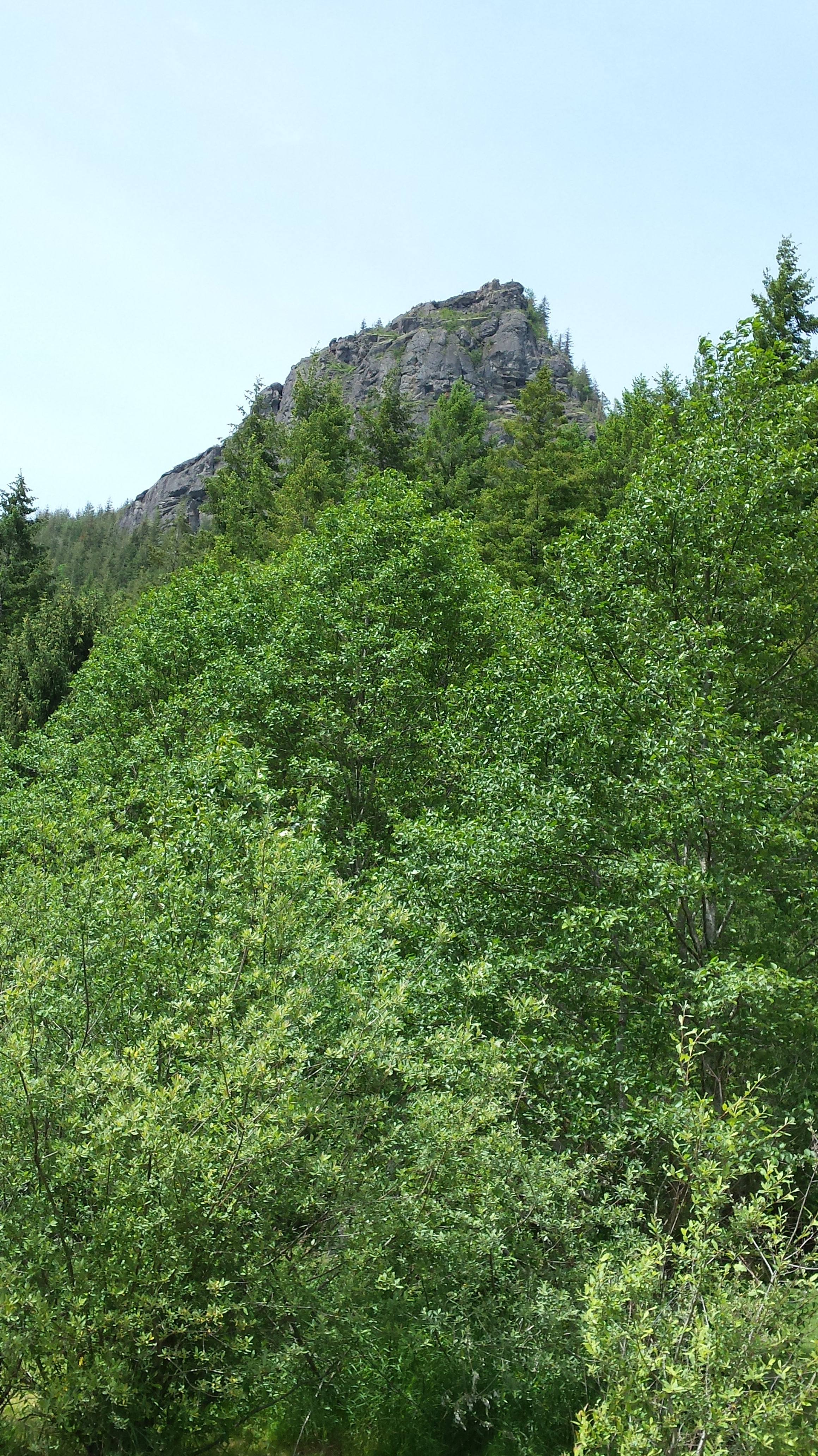

 So this is what I’ve concluded: Ray knows how to enjoy life, but not only how to do that but how to really and truly occupy his life. His current life is not just a placemaker until better things come along. NO, he’s making things happen while he still can rather than waiting on the sidelines where nothing ever happens.
 We don’t have to perfect every new endeavor the first time out. Perfection isn’t our goal, is it? I tend to believe that if perfection were our goal, we’d just stay put and never venture out to discover what we’re capable of.
 Through comments by someone I follow on Twitter, I stumbled on the key to living in – and thriving on – the present. Authors Ariel and Shya Kane [@ArielandShya] went through trial and error during their early adult lives in their attempt to find fulfillment.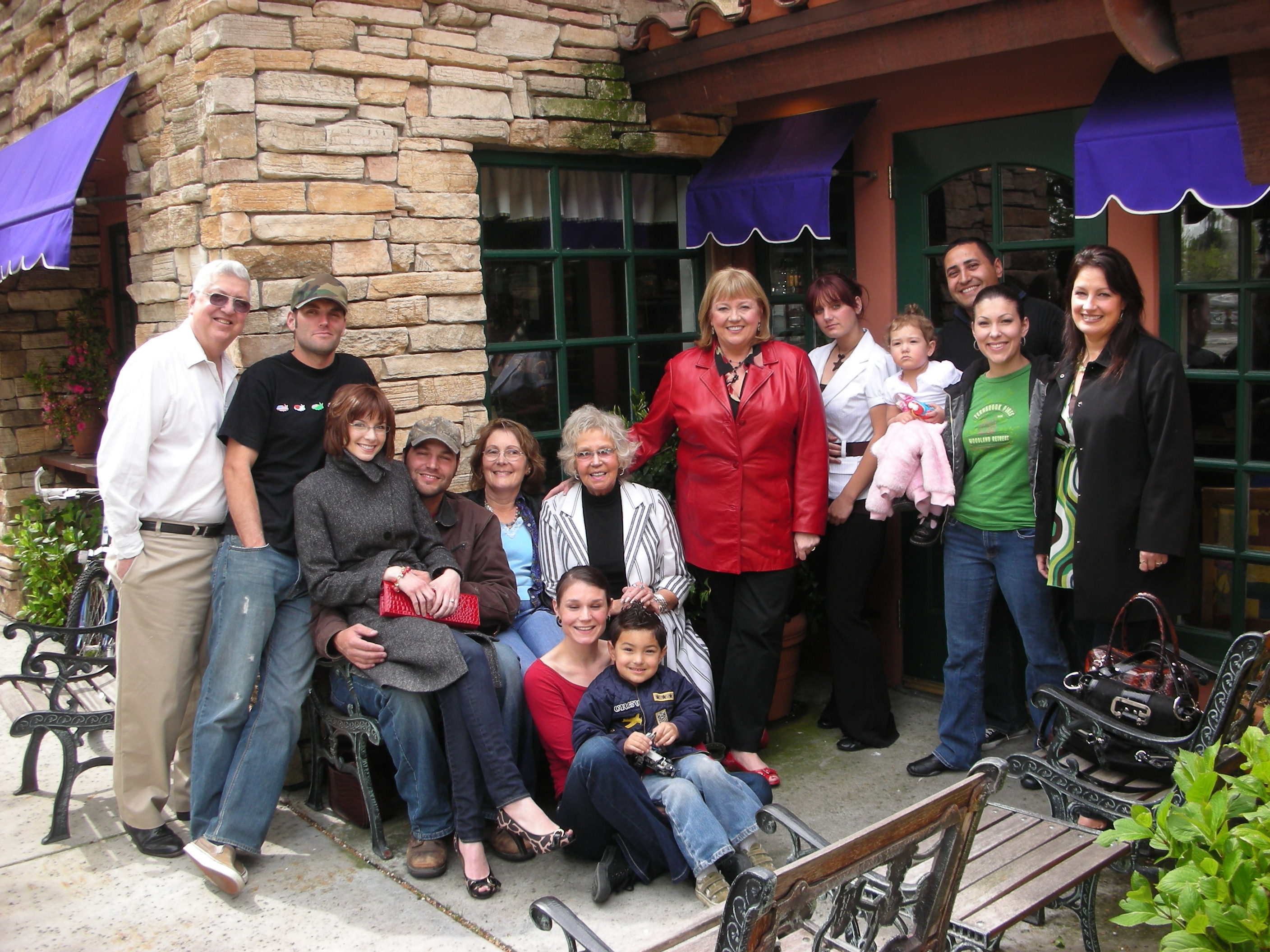

 Living: the ultimate team sport