Health & Wellness
The Suck of Procrastination
 Putting off matters is such a common experience for all of us. Speaking for myself, I usually adopt that avoidance behavior when I lack the confidence needed to master the task at hand. It helps to have a deadline but when that deadline is a generous one, chances are attention will be diverted for quite some time.
FOR EXAMPLE: I had 3 years in which to file our amended 2022 tax return.
I thought I had absolutely every form needed to file last year’s taxes and was quite proud of myself for electronically submitting my household’s return using the tax prep software I have used for many, many years. I mean, it was the end of February so any entity that was slated to send me a form would have already done so…right?
WRONG.
Wouldn’t you know it, an errant form from a country other than the United States arrived shortly thereafter which most definitely created the need to file an amended return for the first time in my entire almost 70 years of life.
I researched it. I looked for every possible legal loophole to not have to go down that path, but I discovered there was no way to avoid the dreaded amended tax return process. But I had three years in which to do so, so why rush?
 Because the manila folder on my desk containing the 2022 tax files kept mocking me each time I walked past it.
Given the fact that I’m retired and have all the time in the world to travel down the path of tax return hell, I couldn’t even claim busyness to avoid opening up my 2022 electronic file and diving right in. I absolutely knew that the tax prep software would hold my hand through the process but I still took comfort in the fact that I had plenty of time to get ‘er done so why add stress to my somewhat calm life if I didn’t need to?
Because I needed to eliminate the fear that had subconsciously been keeping me awake at night.
On April 5th, 2023, I tackled the software, only to find that it did indeed walk me through the process, and the anticipated pain was minimal at best. Sure, we ended up owing the IRS some money, but the peace of mind experienced having finally stored that manila folder in the file cabinet was worth every penny electronically deposited into the IRS’s bank account.

Situational Impermanence

Both of my novels address the impermanence of life, while also addressing how difficult some situations can be when we’re fully enmeshed in them. Requiem for the Status Quo speaks of the difficulties of a dementia diagnosis on the patient and on the family members who care for her/him, while A Jagged Journey exposes the reader to life with all its catastrophic imperfections. Both novels also shine a spotlight on the fact that bad times don’t stick around forever.
The good news and the bad news of impermanence in these situations is that we have to accept that along with being in favor of bad times not hanging around forever, we have to acknowledge and even accept that good times are subject to the same fleeting characteristic.
Take comfort in knowing, however, that tomorrow – or the next hour – may reward you greatly.
What has been your experience surrounding such opposites as appear in our lives?
How Are You Today?

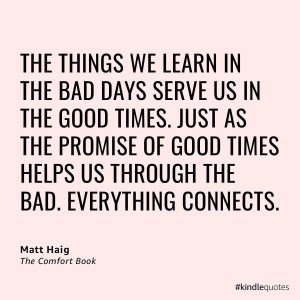
The only thing I want to say is that:
You are enough.
You are worthy.
Any difficulties you are currently experiencing will get better in time because…
Nothing is permanent.
Be well. Get well. Stay well.
Compassion and Forgiveness
I learned something very important the other day.
I’ve read lots of articles and listened to numerous podcasts the past few years wherein self-forgiveness and self-compassion are talked about at length. Intellectually, I understood the concept but my heart didn’t catch up until a few days ago so that the IMPORTANT understanding could settle in.
Self-forgiveness is not dependent on rectifying a past action or mistake.
Perhaps you’re thinking, “Well, duh – you can’t change the past” but believe me, my previous inability to forgive myself was based on wishing I could change the past and because I could not, forgiveness was not possible. Had a friend experienced a similar faux pas as me, would I castigate her? Would I shame her? No, I would not, so why be a jerk to myself?
Indeed.
I have finally forgiven myself for previously unforgivable mistakes – the ones that still pricked my conscience – and I have become a free woman where those matters are concerned.
My shoulders and my heart have been relieved of a VERY heavy burden.
It’s Now or Never
AND LET ME TELL YOU…I KNOW OF WHAT I SPEAK.

My sister, Mary, was born 8 months before me; my parents adopted her after my mother suffered three miscarriages. As sometimes happens, before the ink was dry on the adoption papers, my mother became pregnant with me. Yay me!!!
Suffice to say, being so close in age, my sister and I grew up together with the same experiences and oftentimes the same friends. We are still very close, even though we don’t live in the same state.
Several years ago, after our mother and father had passed away, my sister located her birth mother, met her, and had a few occasions to get together with her and her other daughters, even though her birth mother lived in eastern Canada and my sister resides in California.
 Because I erroneously believed I would have all the time in the world to write a letter to and further communicate with my sister’s biological mother to thank her for placing my sister up for adoption, I missed out on that opportunity because Cathy died a few years after my sister first connected with her.
Cathy’s decision to provide the best possible home for my sister was an extraordinary gift for which I wanted to express my gratitude, but I procrastinated and never told Cathy what a blessing her first daughter is to me. In my recent history, this by far is the biggest regret I harbor in my heart.
Kind words left unsaid benefit no one.
Important Words That Start With “C”
 CATASTROPHIZE
This is me in a nutshell: I tend to major on the minor and make mountains out of mole hills. Feel a slight twinge in my back? Oh no, my back is totally messed up! Detect an unverified slight from a friend? Darn, what have I said or not said that has caused this perceived rift between us? Let me tell you, I’m working on better handling these types of incidents, but please know I have yet to excel at doing so.
 COMMUNITY
On a more positive note, I love this word and all that it means according to the Oxford dictionary: a feeling of fellowship with others as a result of sharing common attitudes, interests, and goals. I would like to say, however, that this definition does not need to be limited to having identical characteristics with everyone with whom we come in contact, rather, that we are like-minded enough to want the best for others…kind of a Golden Rule way of living.
 CAREGIVER
Many of us will find ourselves in the role of a caregiver, just as I did for my father who died from Alzheimer’s disease in 2007. Regardless of the malady, this is a role for which few are prepared: a learn-as-you-go experience filled with failed attempts and far too few successes. I wrote a novel about my family’s dementia experience, Requiem for the Status Quo. Doing so was my way of trying to benefit others who might find themselves in a similar caregiving role.
 COPE
COPE
Dealing with a difficult situation is not something all of us do handily, nor should we have to. Countless times I have come through troubling times because of the assistance of others. Having been on the receiving end of such generosity, I endeavor to extend similar generosity to others. This suggests one of my previous C-words, community, that certainly has within its purview the act of reaching out to others to meet their needs.
 CONSCIENCE
Oh my, a guilty conscience is something all of us have experienced in our lives, and not necessarily brought about by laws or rules that have been broken. Rather, speaking for myself, my conscience has been pricked because I failed to meet a need I could have easily fulfilled caused by an act of selfishness on my part. There are countless examples I could recount but rather than paint a picture of me being a horrible person – as opposed to being a normal person with selfish tendencies – I will just say that when our gut tells us we’ve been less than giving to others, if we pay attention, we will no doubt find countless opportunities to make up for that oversight.
 CONSIDERATE
My goodness, I sense a trend in my selection of C-words, but I guess I’ll just go with it. Being careful not to cause inconvenience or hurt to others certainly sounds like a worthy goal in one’s day-to-day life. I want to believe that none of us are inconsiderate on purpose but, as referenced in my expository paragraph on the conscience, we’ve all missed the mark from time to time. For example, we’ve all been hurt by others, and although our knee-jerk reaction may be to inflict similar harm back at the offending person, doing so won’t make us feel better (well, maybe for just a few minutes or so) but any long-lasting benefit will be fleeting. Better yet to balance out the scales by turning the other cheek which may not have an effect on the offender but will most definitely affect the person choosing to turn their cheek.
 CUDDLE
I want to close out this discussion by incorporating the aforementioned six words into this final paragraph: When life gets us down, we can catastrophize or we can search for the fellowship found in community that many, especially the downtrodden family caregiver, could use in order to better cope with the stresses faced by individuals on this planet. When our conscience is eased after soulful moments that leave us more considerate than not, perhaps we’ll exercise self-compassion by giving ourselves a cuddle wrapped up in forgiveness for our shortcomings.
In the history of mankind, no one has been proved perfect in every thought, word, and deed, so be kind to yourself. After all, you’re only human and I assure you, you are in very good company.
Better Today Than Yesterday
 A handcrafted multi-colored rug in a marketplace is a completed work of art – a masterpiece if you will – but the work-in-progress is certainly a far cry from any semblance of cohesive beauty. But it is still a beautiful piece of art.
These rugs provide a multifaceted mingling of colors and textures that make a complete design, however the intricacies when not presented as a whole might be anything but worthwhile viewing. It’s kind of like Claude Monet’s painting, Water Lilies, that when viewed up close so that the minutiae stand out, represents only a nearsighted view of the artist’s intended project. However, when we stand back from the artwork – whether a painting or a handcrafted rug – we see the bigger picture that represents the whole.
I like to view the marketplace rug as a representation of the world’s diverse humanity: the elements of race and ethnicity, as well as physical elements and personalities of the global community that paints a more complete and accurate composition. It seems to me that without the diversity of colors, textures, and design, the final product would lack depth and luster.
Taking this thought further, the backside of the rug may not look all that presentable, what with the rough knots and perhaps the multitude of mistakes that are covered up so that the finished product will render itself pleasing to the eye.
I think of all the rough edges of my life that I have needed to smooth out and the mistakes that I have needed to correct so that I could present a life that was not only pleasing to the eye, but one that would benefit others and leave them better than when I first encountered them. I have definitely messed up in my almost seventy years of life, but I have always endeavored to be a beneficial contributor to the good of others.
 In that sense, I don’t see myself as a work-in-progress, rather, I am a progressively better representation of who I am, whether viewed up close, or from afar. A closeup of my life’s minutiae may be shockingly out of focus, but the bigger picture will hopefully render my life as it is meant to be.
Good News is Everywhere!

I think we can all agree that we’re surrounded by bad news stories. We need not look any further than a pop-up notification on our phones to catch Breaking or Headline news that is rarely good.
As I have stated in previous stories, including this post written this past October, it’s so very important to make note of even the smallest of victories that come our way. Here are a few small, and not so small, incidents I had the privilege to celebrate this past week.
- A close family member got the ideal job for the household’s circumstances.
- My local NFL team made it to the playoffs!
- I received encouraging news about a health condition I have battled for the past couple years.
- I was gifted with a very comfortable pair of warm slippers that I really, really needed to keep my tootsies warm…tootsies that get alarmingly cold and painful due to a health condition that is not related to the point directly above.
- Despite all the wind and rain we have had in my part of Washington state, we did not lose power this week.
- While shopping at a grocery store with the word Whole in its title, there were no plastic produce bags to be found. A professional shopper filling her order saw my dilemma and gave me the 2 plastic produce bags I needed.
- A snack our household enjoys that has been missing from grocery shelves for a couple months has returned. See! It doesn’t have to be something major to be good news!
Majoring on the “minors” is a great way of being when those minors are positive happenings in our lives. And they’re important! Why? Because the more good we acknowledge the less yucky the bad stuff will seem to be.
Don’t let the bad stuff get you down. Being open to the many positive happenings around you is a good way to start.
Spoken and Unspoken: Words Matter

- Words said in anger and without consideration of others matter.
- Withheld words that would have provided encouragement and affirmation certainly matter.
- Unloving words that we say to ourselves – berating, judging, unkind – matter a great deal.
Words matter: they always have, they always will. Choose your words wisely.
Here Comes the Good Stuff!

The best is yet to come, right? I mean, why not? Rather than expect the worst and have that expectation met, how about expecting the best and be equally as astonished that the best is gifted to you at some point in 2023 – maybe at several points in 2023. It’s kind of like the sentiment: Those who think they can and those who think they can’t are both right.
Expect the best, y’all.
That’s what I’m gonna do.
Be Kind to Yourself

Being kind to yourself is most definitely a serious matter. You deserve to be treated with the same gentleness you would treat others for whom you care.
If the Holidays have gotten to you, do what is needed to bring some calm and control back into your life, even if that means disappointing others. Again, you matter just as much as those you might have to disappoint, so I would advise you to try a little kindness toward yourself, a kindness you so very much deserve.
And if you’re doing absolutely well right now and can exercise some outward gentleness, check in on individuals who might need a reminder that they matter and that someone was thinking of them. You don’t have to make a huge effort – especially if doing so depletes your own reserves – but a phone call, a text, or a hello in passing – could mean the difference between making their day and not.
Do what you can, and start with yourself.
Don’t Worry. Be Happy!
Whether it’s because the Holidays are fast-approaching, or we’re relocating to a different area, or we are faced with a life stressor that threatens life, limb, and sanity, we are oftentimes encouraged to stay calm and relax. ARE YOU KIDDING ME?!!!

 Being on the receiving end of such an admonition is not a welcome moment, to be sure. “Try being in my women’s size 12 shoes and say that again! You have no authority here.” Boy can I relate. Given an opportunity to break down that comment, however, I might eventually get to the point of being able to at least realize that if I were to take a few deep breaths I would feel slightly better as a result.
I fully understand the impetus behind someone telling us not to worry. Certainly I have said the same thing to someone in need and I absolutely meant it. But staying calm is not an easy venture, is it? But boy oh boy is it called for.

I react and I overreact – just ask my husband. You know what they say about teaching old dogs new tricks? Well, I’ve been trying to learn the calming lesson/trick for quite some time now. The more I overreact and discover later that such a reaction was not needed, I get that much closer to learning a lesson that will most definitely help my well-being. When an overreaction takes place, the fight or flight response gets set into motion which sets in motion bodily anomalies that never do the body good: accelerated heart rate, increased pain where pain might already exist, and if you’re me, the gastric juices start churning and a sour stomach ensues.

Being able to witness time and time again that things most of the time turn out okay, that most disasters are readily avoided, and life goes on regardless of any perceived evidence to the contrary, then we can settle down and carry on. But if you’re at all like me, you will need to administer compassion and loving kindness toward yourself to attain such a state of well-being.
I hope you succeed in doing so, as much as I hope to do so myself.
Is Daily Gratitude Possible?

I am well aware that it’s extremely difficult to be grateful for anything or anyone when times are tough: illness, financial downturn, emotional turmoil and the like.
At those times, it takes a grand effort to make the decision to find just one thing a day for which to be grateful. JUST ONE THING!!
And once that decision is made, it takes lots of practice to get in the habit of doing so day, after day, after day.
But even the smallest of reasons to smile are worth the effort:
- improved sleep or wellness
- a break in the weather
- a food item that awakens our taste buds
- a stranger’s smile or greeting
- a flower
When we start to feel better about the way things are going, we might decide to spread some of that “feel-betteryness” to others with our own unexpected smile, greeting, or other kindness.
I have found that it is really worth the effort – both for the giver, and the person on the receiving end.
JUST A THOUGHT WORTH CONSIDERING.

The Brain Sometimes Misses the Mark
Don’t get me wrong, I am deeply indebted to my brain for guiding me through sixty-nine years of life thus far. My organs are reliant on it to do their “organic” part to keep me alive.
BUT THE BRAIN DOES INDEED GET IT WRONG SOMETIMES.

Way back when, the brain really needed to activate its fight-or-flight response so that we could sense a beast’s approach and be able to avoid it or defend ourselves. We still very much need that heightened response in our tool chest but I dare say that such a tool is rarely required.
But let’s get away from beasts and tools. What about the conditioned response to daily mundane elements of our lives, such as eating? I live in the Pacific Northwest where Daylight Saving Time ended a few days ago. The clocks in the house had to be set back one hour, which I diligently accomplished this year as in previous years. BUT, the clock in my husband’s workshop is his responsibility and it did not get changed
The day after Daylight Saving Time ended, my husband came into the house at 11 am and set forth making his lunch. I was in my home office at the time and was astounded that he was eating lunch so early because his normal lunchtime usually falls between noon and one o’clock. I eventually wandered into the kitchen/family room area where my husband was now chowing down on the sandwich he had just made. “Wow, you’re sure eating lunch early today.”
He looked at the family room clock only to discover that it was just 11:15 am. “Oops! I forgot to turn my shop clock back and thought it was noon” to which I responded, “Nope! Your brain tricked you into thinking you were hungry!” The brain has a keen way of doing that…tricking us.
The brain more or less always tricks me into thinking that the aches and pains I experience are far more than the mundane events they are. Read one of my recent posts that addresses that aspect of my brain’s tomfoolery. I tend to catastrophize these types of sensations because in my past experience, I have indeed had a couple acute medical situations so my brain is not going to sit back and let such emergent conditions harm me in any way.
BUT MY BRAIN GETS CARRIED AWAY FAR TOO OFTEN AND INITIATES A FEAR RESPONSE THAT SENDS ME INTO AN UNWARRANTED EMOTIONAL DOWNWARD SPIRAL.
Thank you brain, for caring so much about me that you feel the need to pull out all the stops to keep me safe, but you seriously need to calm down and get out of the driver’s seat and enjoy the ride of being a passenger in a body that’s just trying to practice daily common sense. Sometimes a cramp is just a cramp, a back ache is just a sixty-nine year old’s back speaking up, and a sour stomach is just the result of unwise food choices…nothing more, nothing less. I respect and admire all that you do, but feel free to take a few steps back and let’s let bygones be bygones.

Finding the Good in the Not-So-Good
In keeping with my most recent post about partying, I just have to tell you a very brief story about something I had the opportunity to celebrate the other day:
I had a horrible night’s sleep!!!
Why is that worthy of a celebration? Let me tell you.
Each of us has our stories of either not being able to readily fall asleep and/or falling asleep but waking up a few hours later and not being able to fall back to sleep, thereby starting ones’ day at an absolutely ungodly hour. I have experienced both, but the first sleep malady has not been an issue for me for many, many months. That was my first reason to celebrate.
My sleep routine always involves listening to a positive, 20-minute guided meditation wherein I usually fall asleep half way through. But the other night, four meditations later, I still hadn’t attained slumber. I tossed and turned, getting frustrated by my inability to sleep, totally disregarding the sleep hygiene advice every sleep expert gives: get out of bed, go elsewhere in your home and read or do something other than counting down the number of hours remaining before your day has to begin. If you stay stuck in bed, you’re also stuck in the anxiety-laden arena of non-sleep where just wishing you’ll eventually fall asleep simply does not work. Why? Because that’s all you’re thinking about and what you pay attention to will only grow.
After a period of three hours of non-sleep, I finally got out of bed and went elsewhere in my home to read thereby changing the scenery and giving my mind something else to concentrate on. I was no longer not sleeping in my comfortable bed, I was reading a book as though doing so was the most perfectly normal thing to be doing at two o’clock in the morning. Climbing back into bed an hour later, I managed to catch a few hours of sleep. That was the second reason to celebrate.
But that’s not all! I actually had three reasons to celebrate as a result of that yucky night’s sleep: I also successfully made it through the day-after, without too much struggle!
Mind you, I’m retired and therefore didn’t have to be super diligent during the day-after’s activities: I didn’t have to operate heavy machinery or get up in front of a classroom or a boardroom and string together cohesive sentences for the benefit of others, but I did manage to do some Holiday gift shopping with my husband and plow through a pile of laundry accumulating in our house without damaging anyone in the process.
Yep, all was well, and I lived to tell about it.

It’s Party Time!
Oh my goodness…you know how it is…the first of November creeps up on us and before we know it, all the traditional Holidays of the year are upon us and we’re wondering where the time has gone.
It’s been awhile since I’ve looked forward to Holiday celebrations but this year I’m geared up and ready. Well, not ready as in I’ve got it all figured out and organized, but ready as in I’m very much up for it. Why is that? Well, for me, I am always looking for a reason to celebrate – whether I’m celebrating an actual occasion or just noting a positive improvement of sorts in my daily life.
 During my father’s decline from Alzheimer’s disease, I got into the practice of celebrating every small positive element that came my way. I realized early on in my father’s disease process that big reasons to celebrate weren’t always forthcoming so I committed myself to celebrating even the smallest of victories, and there were many! Doing so guaranteed many opportunities to party, rather than just the few and far between grandiose reasons to don the party hats. My first novel, Requiem for the Status Quo, is a reflection of that period in my life where my celebrate-as-often-as-you-can philosophy was born.
This year has had its ups and downs, hasn’t it? I am quite certain I’m not the only person reading this post that saw illness invade the calm of loved ones’ lives; who experienced loss of some sort that left you reeling; or who questioned whether goodness and mercy had become qualities of the past.
As we near the end of the current year, I hope you are privy to more good than bad and that your reasons to celebrate far outnumber those that make you want to hit something…or someone. Finding that renewed focus, that light at the end of the tunnel, might seem more difficult than not, but if you’re able to do so even just one time before the calendar year expires, give it all you’ve got and do your happy dance! Who knows? Your good vibes just might rub off on others!
And if you’re able to make a few thirty second friendships along the way? All the better.
Thirty Second Friendships

I’m the person who waves, but I’m also the person who waves back. I just can’t help myself, especially when a young child is concerned.
Ever since I became a grandmother back in 2017, I can’t resist waving and talking to a youngster while said youngster is accompanied by their parental unit – I’m just so enamored by kiddos. Caveat: prior to attaining grandparenthood, I just couldn’t be bothered, but I am a reformed woman.
But it’s not just the youngsters with whom I engage; I can’t help but engage all age groups in friendly conversation. I crave the connection and I am shameless in my efforts to satisfy that craving.
Maybe you’re among the many who hope beyond all hope that when you encounter the stranger that is me, no conversational effort will be required on your part. Sorry to disappoint you, but if you’re in my sights, I’m reaching out to become your 30-second friend.

BE WELL. STAY WELL, Y’ALL.
How Old Do You Feel?
Just when I thought I was getting old, the voice of reason settled my soul.

We are all acquainted with friends or loved ones who have managed to make it to the nine decade mark of life. I am in my 70th year of life – reaching a full seven decades next year. I didn’t mind at all turning 65 years old: I celebrated, I boasted of my accomplishment, and I plowed through each day as fit and proud as can be!
Then I turned 66, then 67, then 68, and most recently 69. Ugh, what a geezer I had become. But why? Really and truly, if sixty-eight was fine with me, what changed in the ensuing 364 days of that birthday year?
- I started paying attention to the body sensations and pain tweaks that prior to my change of age didn’t warrant such hyper-attention. What you focus on grows bigger.
- Having enlarged the body sensations I was feeling, I started to cut down my activity level because in my mind I no longer had the ability to be as active as before. I believed the lie that my fight or flight brain was telling me.
- Not only did I cut back on my physical activity, but I narrowed the scope of my world: going to fewer places, spending less time with people I usually enjoyed spending time with, and relying on others to get me to where I wanted/needed to be. Isolation does not do a body good.
- I found myself taking what I call a Senior Lie Down just about every day. A feeble body needs a nap to make it through each day, don’t ya’ know.
STOP THE PRESSES!!!!!
If genetics has anything to do with my lifespan, at least where my father’s side is concerned, I will live at least eight decades. My father died at the age of 89, suffering from prostate cancer and Alzheimer’s, and even with those diseases, he lived twenty years longer than my current age!
I don’t want to shorten my enjoyment of life because of facts not yet entered into evidence! Not on your life, or at least, not on mine!
Changing my mindset has made a ginormous change in my outlook on life. No more sweating the small (or normal) stuff in life. Living life, rather than fearing it, is a far better use of my time.
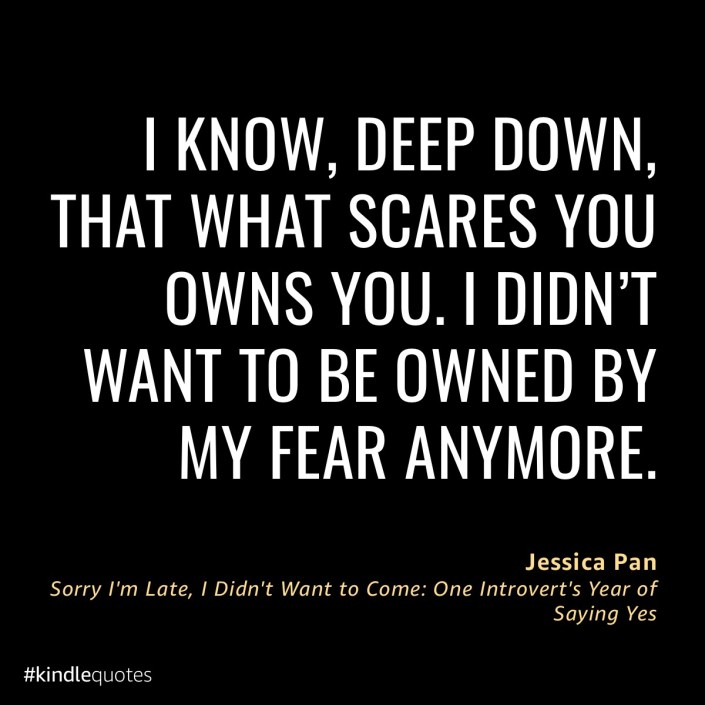
You Are Not Stupid
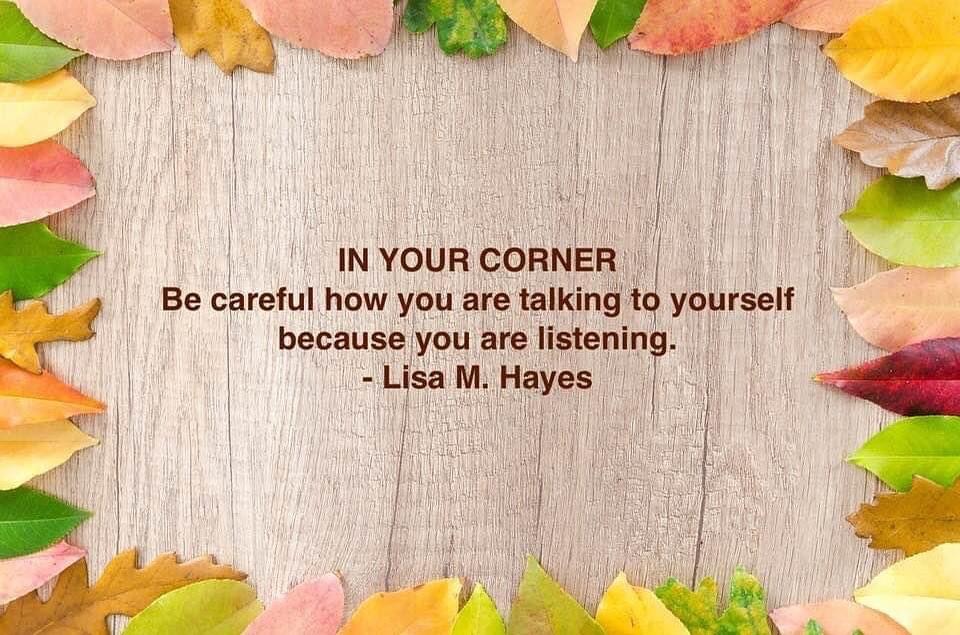
Thoughts aren’t always true, they are just thoughts.
We are oftentimes admonished not to be judgmental of others, but what about the judgments we have about ourselves? I catch myself being very self-critical, repeating what I oftentimes heard my mother say to herself when she, for example, made a sewing mistake. “Oh Patricia! You’re so stupid!”
My mother was far from stupid, nor am I, so declaring oneself stupid is very inaccurate. A far less harsh statement might be, “Oh, Irene, that wasn’t a smart thing to do/that was a stupid thing to do.” I’m not stupid, but the action wasn’t the best delivered action at the time.
All I’m saying in this minuscule post is to be careful what you say to yourself – whether out loud or in your mind – because I guarantee, you are listening, and some day, you just might start believing what you hear.
New Season. New Hope.

Autumn is my favorite season of the year, and also a time for me to assess, regroup, and move forward with a renewed sense of hope. I feel the same way on January 1st each year. I guess I’m a sucker for second chances…or as many chances as I can get.
The following is a quote that resonated with me from the non-fiction book, Why Has Nobody Told Me This Before? by Julie Smith. I hope you are able to move towards the end of 2022 relishing all the positive opportunities that might come your way.
What we do and how we do it feeds back to our body and brain about how we feel, so shifting direction towards what matters most, and the person we want to be alongside our problems, can bring about big shifts in mood.
Small Kindnesses

A poem by Danusha Laméris, 2019 (bold highlights made by this blogger):
I’ve been thinking about the way, when you walk down a crowded aisle, people pull in their legs to let you by.
Or how strangers still say “bless you” when someone sneezes, a leftover from the Bubonic plaque. “Don’t die,” we are saying.
And sometimes when you spill lemons from your grocery bag, someone else will help you pick them up.
Mostly we don’t want to harm each other.
We want to be handed our cup of coffee hot, and to say thank you to the person handing it. To smile at them and for them to smile back.
For the waitress to call us honey when she sets down the bowl of clam chowder, and for the driver in the red pickup truck to let us pass.
We have so little of each other now. So far from tribe and fire. Only these brief moments of exchange.
What if they are the true dwelling of the holy, these fleeting temples we make together when we say, “Here, have my seat,” “Go ahead – you first,” “I like your hat.”

Just a Thought

Our imagination can serve us but sometimes it provides a huge disservice. May you not be ruled by your thoughts and may peace be your portion.
Adulting Is Hard

Life is not an easy venture, regardless of who we are or how we were raised. But we get up every morning, stumble through our wake-up routines, and plod through the day because that’s what the human condition requires.
We all know that some days are easier than others – just as some years are worse than previous years – but when the not-so-good times start piling up day after day, we tend to wonder if we’ll ever get to the other side of the bad.
Life is most definitely a contact sport. Scrapes and bruises are bound to hit many of us in debilitating ways.
The fictional characters in this new novel are acquainted with yours and my experiences. They’ve had it tough, and they’ve had it easy, and how their lives panned out reflects outcomes not unlike those we’ve all endured.
Misery loves company isn’t what the author had in mind with the writing of A Jagged Journey but she knew that those going through a tough time could benefit from how Charlie, Hannah, Gretchen, and the book’s many other true-to-life characters, handle the challenges that come their way.
The outcomes aren’t all touchy-feely and rainbow-laden, but that’s not how real life pans out for you and I anyway.
May this well-crafted story keep you company during the highs – and the lows – in which you find yourself, and may you experience the joy and hope that so many previous readers of A Jagged Journey have enjoyed.
Improving Our Vision
 We often have been instructed on what it means to truly listen, especially when it comes to hearing what someone else is saying. Just nodding our head and saying “uh huh, uh huh” may not be an example of effective listening.
What about our eye sense? Do we see what’s really there? Not always, and here’s a case in point.
I have family members who have tree nut allergies so we are all very diligent about using ingredients – and serving foods – that do not contain tree nuts and were not processed in a manufacturing plant that may have processed tree nuts as part of their business.
I donated a huge Costco-sized bag of chocolate chips to this particular tree nut sensitive household the other day and checked what I usually check: the list of INGREDIENTS and the all-important CONTAINS notation on the bag. Said elements listed nothing of danger to that household.
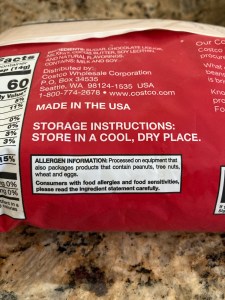 Turns out the Costco-sized bag of chocolate chips had an ALLERGEN INFORMATION statement that I missed but fortunately the household member who was about to use them did not. Ugh, this could have been a disaster of emergency proportions!!! You’d be correct in saying that the statement seemed plenty large enough to notice, but that was not the case for me. We are blind to so many things, some of which are less tactile. Had I not assumed the CONTAINS and INGREDIENTS statements were sufficient, I would have scrutinized the bag more thoroughly.
So too in life, we may not notice elements that would be beneficial in making appropriate life decisions. This particular allergen situation could have had dangerous outcomes, but less dangerous incidents of “blurry vision” could still impact us.
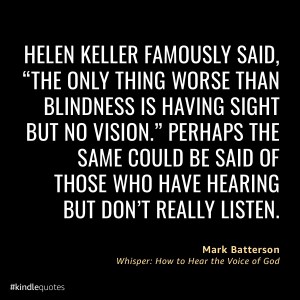
This lesson has clearly taught me that I need to greatly improve my vision in a tactile sense and a life-direction sense.
I feel I’m a good listener most of the time, but it’s obvious my vision is far from being 20/20.
May Peace Be Your Portion

AS SUMMER WINDS DOWN, MANY OF US ARE TRANSITIONING TO LIFE CHANGES THAT AREN’T ALWAYS EASILY TOLERATED: FIRST DAY OF SCHOOL, NEW JOBS, RELOCATING TO A NEW AREA OF THE COUNTRY.
WHATEVER TRANSITION YOU FACE, MAY PEACE BE YOUR PORTION AS YOU SETTLE INTO YOUR NEW NORMAL.
Home & Body DIY Projects
 My current DIY home project is one that is not-at-all rewarding at the moment but my husband and I are certain the remodeled laundry room will eventually knock our socks off. Then we’ll probably lose half of those socks in the newly-placed drier! 🙂
Do It Yourself home projects are very time consuming and most often difficult, and for many of us, DIY is the only way to go. But the DIY work we do on ourselves doesn’t have to be 100% Do It Yourself. As a matter of fact, I strongly recommend seeking assistance when trying to put ones’ life in order, especially when mental health is part of the project’s package.
 Doing the work, as it is oftentimes called, is a life-long process that is not for the faint of heart. Proper guidance from appropriate resources will most certainly get us headed in the right direction. The past two-plus years, I have felt compelled to put my mental health at the top of my priority list, because mental health is health.
I have attended virtual therapy sessions with a local doctor of psychology for the past two years and can honestly say that she has been my most essential healthcare provider during that time. I am fortunate that my U.S. Medicare plan, plus my supplemental insurance, cover 100% of the costs, and I realize that full health insurance coverage is not the case for everyone.
And I have discovered that just like home improvement projects, life improvement projects can get messy and the cleanup can be a painstaking process, but flexing ones’ muscles – which include the heart and the mind – is well worth the blood, sweat, and tears that ensue…and trust me, there will be tears.
I truly hope you are able to find access to the guidance you deserve as you endeavor to attain personal health, while always remembering that:
MENTAL HEALTH IS HEALTH
One Size Does Not Fit All

I don’t want an ongoing set schedule of activities – whether volunteer and/or personally entertaining – because my husband and I want the flexibility of being available for the younger members of our family whose parents just might need our involvement. A onesie-twosie activity is what I seek to improve my Quality of Life (QoL).
Whatever I do must be beneficial to those involved. Most of us are experts at wasting time – perhaps I’m the CEO of that effort – so I don’t want to do, just to be doing. I want to increase the value in someone else’s day, while also boosting my mental health and well-being.
It seems strange seeking connection at a time when the world is in a downward viral spiral – or is it an upward viral spiral? Anyway, as social beings, we’re all looking for SOMETHING, and I’m one of those social beings. The final QoL post in this series simply lets you know that my fuller life might not look like yours, and what’s so marvelous about making choices that matter to us, is that as individuals with a free will, we get to choose as we please.
One size doesn’t fit all, but isn’t it grand that the only size that matters is the one that fits us?
The Wisdom of Baby Steps

My husband and I became avid hikers in 2016 once my husband had retired from a lengthy career as an engineer, and I had switched to writing and publishing my novels (Requiem for the Status Quo and A Jagged Journey). Hiking during the week in the Pacific Northwest is the only way to go as our area is a hiking paradise and we completed many non-weekend hikes for three solid years.
Then both of us had body structure limitations that were addressed and treated as effectively as possible so we could consider heading out on the trails again.
Then Covid happened.
We chose not to head onto the trails because even though we were extremely diligent in our masked day-to-day proactive way, hiking with a mask on was not an attractive option for us. So even though we went on neighborhood walks and took Cabin Fever Drives (CFDs) since winter 2020, we had not been on a trail since summer 2019. Until last week.
We understand the psychology of starting slowly, gradually building up to more challenging physical activities, so a close-in, 2.5 mile RT hike with 419 feet elevation gain was our starting point. What we didn’t take into account, however, was how much elevation gain would occur in 1.25 miles. We turned around once we realized our error in judgment and learned just how out of shape we are and how to better gauge elevation gain – a skill we were well-versed in just three years prior.
But we made an effort, and even though we didn’t quite master that day’s trail, we still lapped everyone sitting on the couch. Baby steps will be our practice going forward so we don’t doom our renewed commitment to Western Washington hiking.
The Fruit of Independence
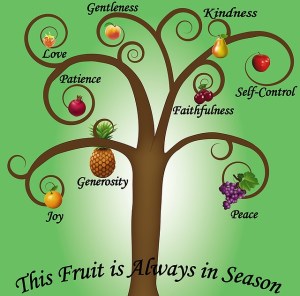
Independence means so many things, and it’s not just tied into an American holiday that’s celebrated every July 4th.
As an independent person, I am free to think and behave in such a way as to benefit others, or harm them. I choose to always benefit person-kind.
As the above photo clearly illustrates, we have much from which to choose in seeking to bless others. Pick all of the above fruit in one day, every day, or choose the one-a-day plan – whichever suits you and is most likely to become a habit.
May you pluck all that is necessary from this tree so the greater good can be accomplished near and far.
Death of an Extraordinary Man
 October 13th 2007, my father died from complications of Alzheimer’s disease. That morning I had received a call from the memory care unit where Dad had lived for several years. The nursing manager of that unit said if I wanted to see my father again before he died, I should come as soon as possible. (I had spent a week with him the month before and knew that his prostate cancer would most likely hasten his death.) I first called my husband at work to let him know I would find a flight from Seattle, WA to Medford, OR and be gone…for how long? I didn’t know. Then while on the phone with my brother and sister, I booked my flight online with a tentative return, threw the very minimum of clothing in an overnight bag, and headed to SeaTac International Airport.
If you have read my novel, Requiem for the Status Quo, you’ve pretty much read the account of what transpired for me at my father’s bedside; some of the happenings that day/evening were altered, but the gist of what transpired are contained in Chapters 41 & 42.
Upon my return to Seattle, my energy level was depleted yet still on alert. When you have a loved one with a debilitating disease, a state of alertness is the norm – the status quo of constantly being in a state of emergency, if you will. You keep waiting for the phone to ring with the latest development – such as it did for the last time on October 13, 2007 – but that phone number’s appearance on my Caller ID had ceased.
What hadn’t ceased was the business of dying – all the financial and estate matters one cannot ignore – but because of my father’s diligence and organization leading up to his Alzheimer’s diagnosis, much of what I needed to do on behalf of his estate and us survivors, was readily dispatched in the months that followed my father’s death.
But the “now what?” of life post-caregiving was front and center for me. Initially, I wanted absolutely nothing to do with anything having to do with dementia. I continued to financially support my local Alzheimer’s Association and participated in one more Walk to End Alzheimer’s, but that was it. Then my heart called and I became an Alzheimer’s Association caregiver support group facilitator and shortly thereafter, I entered the world of long-term care advocacy by becoming a Washington State LTC ombudsman, both of which I did for five years.
Then my heart spoke to me again, this time it said, “How about writing about your experience as Dad’s caregiver?” I ignored that thought until I no longer could – it wouldn’t leave me alone! I dragged out all of Dad’s records and my numerous journals, sat at my dining table, and over many months’ time, outlined how I would honor my father’s journey and my family’s experience within the pages of a book that might benefit others.
That was five years after my father’s death. My book was published five years later.
Now almost fifteen years after the end of my father’s Alzheimer’s journey,
my book still manages to make its way into the hands of those who need it.
If you, or someone you know, needs encouragement and a renewed sense of hope,
please make your way to your favorite bookstore, or find it right here.
Blessings to you today, and always.