Community outreach
New Year, New Focus, New Look
 I’ve been authoring this blog, Baby Boomers and More, for five and a half years. Perhaps that’s a record for blog ownership, I’m not sure, but what I do know is that I thoroughly enjoy writing about matters of significance. I guess that’s why my blog has survived as long as it has: there are a heck of a lot of things going on in the world that fall into that category.
My website address remains the same: http://www.babyboomersandmore.com, but with a broader emphasis on life as it unfolds for all of us born within a certain year bracket:
- iGen (after 2000)
- Millennials (1980-2000)
- Gen X (1965-1979)
- Baby Boomers (1946-1964) and
- The Greatest Generation (before the end of WWII).
Yes, there are many differences between the generations but we have one major characteristic in common: although as individuals we are strong in many ways, we still need each other to get to the finish line.
With that change in overall focus comes a new, primary blog identification:
Living: the ultimate team sport
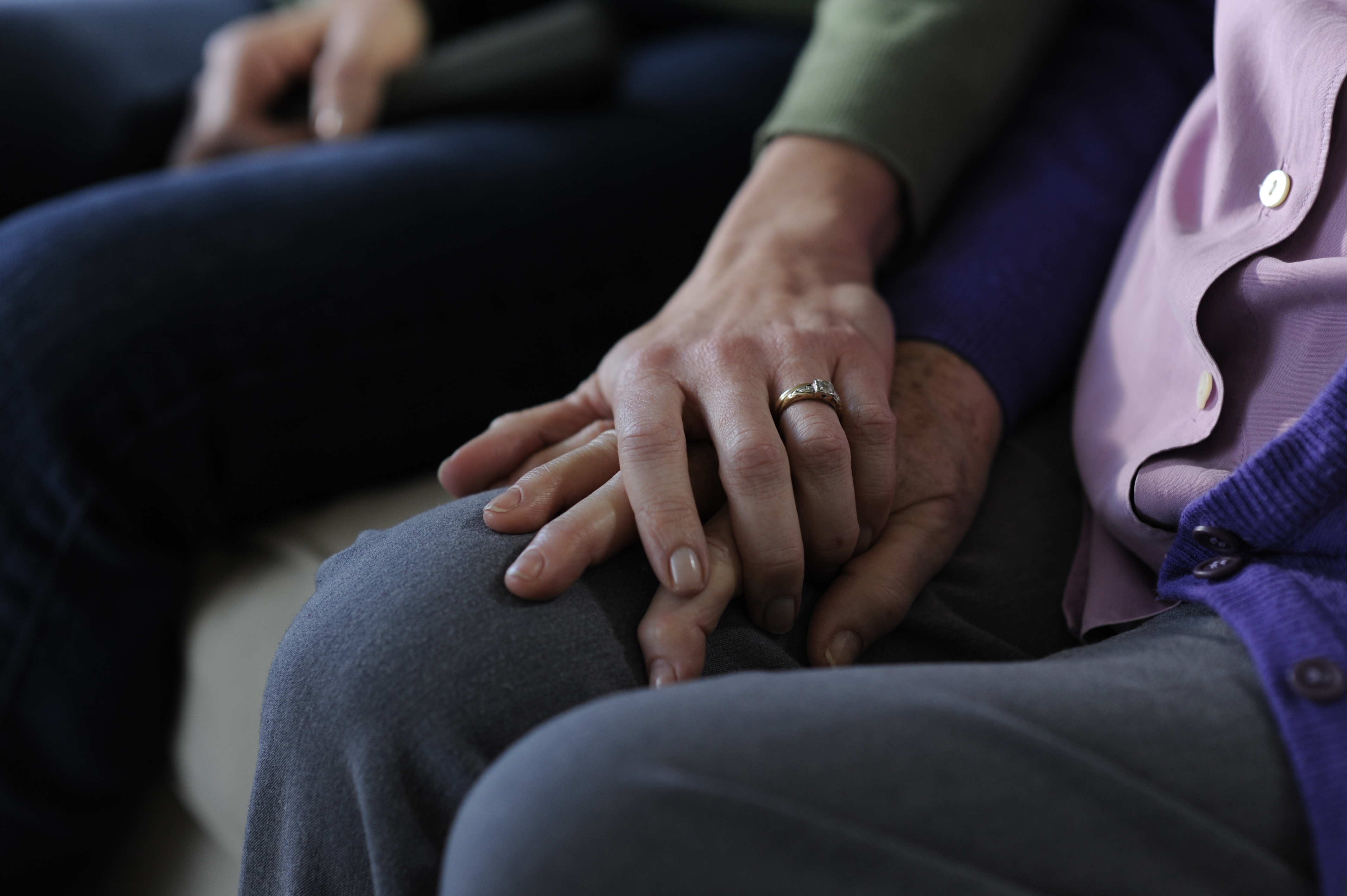 If we consider all the people with whom we come in contact as being members of the same team, we will do all we can to support them. We’ll bolster rather than compete; we’ll pick them up rather than step over them as a means to an end; we’ll exhibit respect for each other’s talents while nurturing our own; we’ll not take advantage of weaknesses in order to falsely boost our own strengths. In short, we’ll stand by our teammates and want only the very best for them.
Another goal of mine: write more succinctly, at least after this particular post. 🙂 I know you’re all busy and have better things to do than read my oftentimes lengthy magnum opuses. I’m newly committed to being as succinct as possible, somewhere along the lines of an article I wrote on December 27, 2016: Don’t go there. Let’s face it, as a writer, I should be able to use an economy of words to get my point across to those who’ve chosen to follow me.
And one last thing: the header images you’ll see at the top of my blog (which will cycle through randomly) are from photos I took during a few of my hikes around the Pacific Northwest. Hiking is my passion, so I’m pleased to provide snapshots of views I have been privileged to see.
With that, I’ll sign off for now, so very glad to be a member of your team.
What is the very least we can do in 2017?
If I can’t do anything useful, at least I would like to do as little harm as possible. Wherever You Go, There You Are, by John Kabat-Zihn

Do no harm is a practice found in various aspects of society – including the Hippocratic Oath – and it was the underlying principle of Mahatma Gandhi’s revolution and his personal meditation practice. But what does it mean? Is it really as simple as doing no harm? You tell me.
Do no harm: Don’t do anything while driving that will piss off other drivers.
Do no harm: Don’t speak ill of others behind their back.
Do no harm: Don’t use social media to bully or anger an individual or a group of people.
Do no harm: Don’t ignore the server or courtesy clerk who’s working as hard as he/she can for you. Engage them in conversation; make their day by respecting what they do.
Do no harm: Don’t be unkind to anyone; think of how it felt when someone was unkind to you.
Do no harm: Don’t litter or do anything that harms the environment, regardless of how small.
Do no harm: Don’t put off a kindness such as sending a card to someone for no reason at all – or for every reason you can think of. Your card and message may be just what that person needs that day.
Do no harm: Don’t ignore the impulse to turn around to the person behind you while in line to say, “I’m not in a hurry, why don’t you go before me.” You may not be in a rush and he or she may be; think how your thoughtfulness will impact the remainder of their day.
Do no harm: Don’t keep compliments to yourself. For example, if your spouse or friend looks nice, tell him or her. It doesn’t do the person any good if you keep it to yourself. Your lack of attention may cause harm.
Do no harm: Don’t expect someone else to make a difference; you make a difference in whatever way you can, even if doing so is an inconvenience. Your inconvenience may be just what the world needs at that very moment in time.
Do no harm: What I have provided above barely scratches the surface of how we can do no harm. Please add your input in the comments section below to provide all of us with examples of how we might improve our personal corner of the world.

My wish for you: health, joy, and peace in the New Year.
Don’t go there
 When a person or a group of people stoop low in the way they communicate or behave towards you or others:
Don’t go there.
If someone pushes your buttons:
Don’t go there.
When your last nerve has been stepped on and you feel inclined to blow:
Don’t go there.

Rather than stoop to the depths of others, choose instead to go high. Seek the high ground in every situation in which you are tested and teased; ridiculed or bullied.
Go high.
Show others the true measure of who you are, perhaps giving them something to which they too may aspire.
The importance of good neighbors
 In keeping with my Friday/weekly posting of articles that celebrate doing good and loving our neighbors, I am reposting this piece from December 2014 that encourages reaching out to those whom we see – however casually – on an ongoing basis in our neighborhoods. We just came back from 10 days away from home and our neighbors not only monitored our house, but when the region was threatened with a storm, they took pictures of the front and back of our house and texted them to us to show our house was still standing. So generous.
I love the fact that my husband and I have a wonderfully supportive group of neighbors in my rural Redmond, Washington location. The houses in my neighborhood are quite spread out, but within the …
Source: The importance of good neighbors
What are you: a builder-upper or a tearer-downer?
 I published this post in June of 2015. I am re-blogging it today as part of my weekly effort to propose – and promote – kindness. Just as we have the ability to recognize happiness in our own daily lives, we can also nurture a better quality of life in others, one small act of kindness at a time.
Every day, and every encounter during each day, we have the opportunity to do good, or to do bad; to improve upon someone’s day, or ruin it for them. Right now, or at the end of this day, thi…
As relationships move online, neighbors become more vital
Happy Friday everyone! Here’s this week’s positive encouragement to make a better world for yourselves, and others. Having a sense of community with those who live in the same neighborhood is a very good thing.

 Lately, it seems everywhere I look I read articles about the importance of neighborhood connections. In the past few days I wrote two articles specifically addressing that concept: The importance of good neighbors, and Positive community activism.
 The attached article above, written by Froma Harrop, compares today’s community with that which existed in the movie It’s a wonderful life, an annual Holiday classic. George Bailey’s bank customers and neighbors were people with whom he had a connection, “of varying incomes, education, and ethnicity. Each of them was an individual, not just a useful provider of a good or service.” Ms. Harrop goes on to say that the middle ring of society – as existed in George Bailey’s life – has been weakened over the years. Her article outlines her belief…
View original post 177 more words
Financial help for family caregivers
 The longer our lifespan, the more likely each of us will need to be cared for. But one need not be elderly to require such care. Many illnesses strike without thought for a person’s stage in life.
Actor/comedian, Seth Rogen’s mother-in-law was diagnosed with Alzheimer’s in her 50s, an age that many consider to be the prime of life. The successful actor’s finances, plus those of several other family members, supported the care of which his wife’s mother was in need. In time, he, his wife, Lauren, and many others established Hilarity for Charity:
In 2012, Seth and Lauren (along with some amazing friends), created Hilarity for Charity. They later established the Hilarity for Charity Fund as part of the Alzheimer’s Association, through which monies raised are directed to help families struggling with Alzheimer’s care, increase support groups nationwide, and fund cutting edge research. Since its inception, Hilarity for Charity has raised more than $5 million to support these efforts.
One of the ways in which they provide this support is through caregiving grants that provide hours of home care for those struggling to survive the demands of a disease that is always fatal. Could you, or someone you know, benefit from such grants? Please avail yourself of the information provided on the Hilarity for Charity website.
See the following link for further support: Caregiving 101 through 1001
Be pro-something instead of anti-something
For the next few Fridays, I am going to re-blog articles I’ve written over the years that address being a positive influence on the world around us. My about-face, (see my post Good Starts with Me) got me thinking about whether or not I’ve sufficiently addressed topics that provide encouragement to all of us, to live a life centered around acts of kindness for others.
Turns out I’ve written 216 posts on this subject. But have no fear, I won’t post all of them, but I will select a few to offer you on a weekly basis for awhile. I hope you enjoy them.
Helene Gayle, Care USA President and CEO, learned early on in her adult life that giving to others was a necessary part of her participation in this world. It makes sense, then, that she heads a major international humanitarian agency that delivers emergency relief and support for long-term development projects. This organization is nonsectarian, impartial, and non-governmental. In my estimation, what could be better than that? In the book, Getting There by Gillian Zoe Segal, Ms. Gayle had this to say about effecting social change:
Social change is better achieved by being for something (rather) than against something. Growing up, I was part of a protest generation. We protested the war and stood in support of liberation struggles in Africa. Whenever we saw a problem, we were “against” it.
It’s easy to think that by being against something you’re standing up for a cause, but if you want to have…
View original post 272 more words
Do we have the power to influence the lives of children?
Yes we do.
That influence can be good or it can be bad so it’s important to pay attention to what we’re saying with our words, and with our actions.
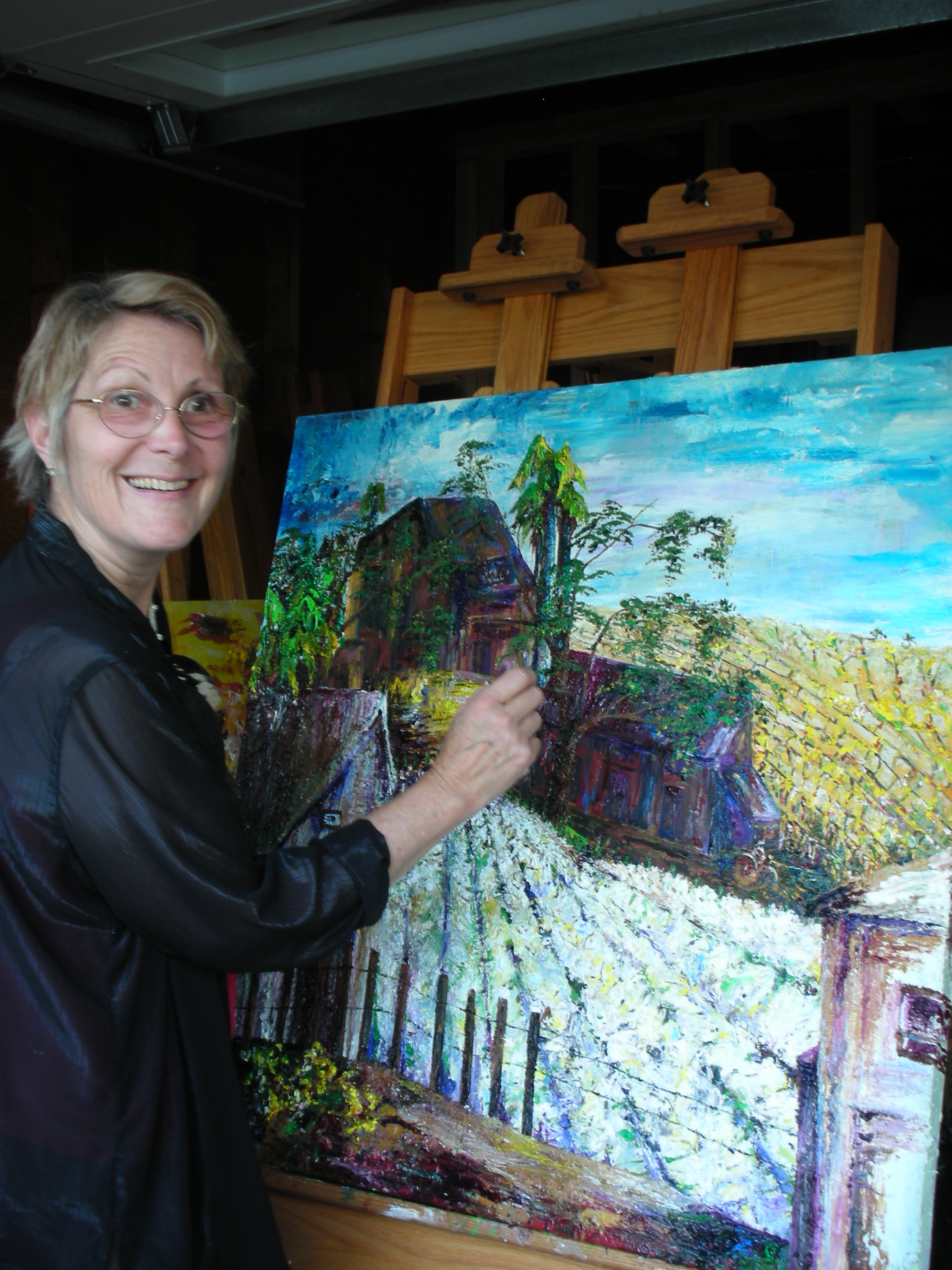 My sister, Mary Riesche of Mary Riesche Studios, inspired this blog post.
For several weeks this summer, Mary taught an art class at The Leaven summer fun program in the town of Vacaville, California where she resides. As is often the case when parents sign their kids up for activities, not every child is enthusiastic about being forced to have fun with others.
That was the case for one of Mary’s students in her weekly classes. A thirteen year old boy – at least five years older than the rest of the students – couldn’t have cared less that my sister volunteered her time to pass along her passion for painting to the young participants. His weekly modus operandi was to quickly, and haphazardly, make whatever project my sister put before him, followed by him then crossing his arms in front of him while the rest of the children worked painstakingly to create what Mrs. Riesche had taught them to create.
During one particular class, the thirteen year old said that he didn’t like what he had done; that he needed to erase it or better yet, give up on the project. My sister stepped in and said the following to him, and I paraphrase:
Never give up, just keep going. You never know when what you consider to be a mistake may eventually turn into something remarkable.
As the very last art class of The Leaven’s artistic summer fun session came to a close a couple weeks ago, the Director queried the children, “What did you learn from your time in Mrs. Riesche’s art classes this summer?”
What happened next caught my sister totally off guard. The thirteen year old boy raised his hand, and said, “That I should never give up. That I should keep going regardless of how I feel about something.”
And there, my friends, is influence in action.
I told Mary I was certain this young boy would carry that lesson on tenacity with him into high school, college, and beyond. Perhaps he won’t remember the art teacher who made that lasting impression on him – I’d like to think that he will – but he will most certainly remember the sage advice my sister bestowed on him the summer of 2016.
Congratulations, Mary Riesche. You changed a child’s life forever.
Stronger Together
Stronger Together was the major theme of the Democratic National Convention (DNC) and it was the stand-out focus of Hillary Clinton’s acceptance speech on July 28th.
Whether you follow the “It takes a village” concept – or simply believe that our lives can be positively enhanced by others – you most likely believe as I do, that two is better than one; three is better than two; four is better than three . . .
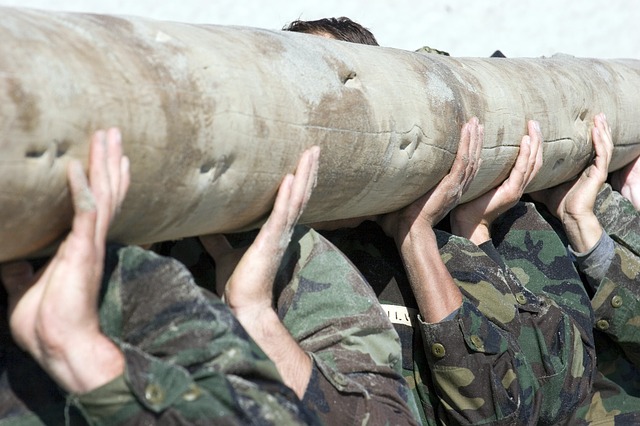 Mind you, I am perfectly capable of accomplishing many things for which I require very little – if any – assistance. But when I attempt to do something for which others’ participation may add strength – emotional or otherwise – and value to my efforts, I’m welcoming of others’ participation.
Ariel and Shya Kane, authors of several books, including Practical Enlightenment, (free for Kindle Unlimited subscribers) have the following to say about not going it alone. I quote verbatim from their chapter “You Can’t Do it Alone”:
Independence and freedom are the background upon which many of our lives are played. So we may not be making use of our support system of friends around us because we’re locked into an unexamined need to prove we can do it alone . . .
Having someone to talk to, to share ideas with, to support you in going for excellence and not quitting on yourself is a rare gift. When you are feeling down and it all seems too hard to continue, those are the moments that a community can support you in rediscovering well-being. It’s easy to get discouraged. Life is full of disappointments, but when you realize you’re not traveling that road alone, you can keep going.
When you’re in a community, you realize that you make a difference, that you matter. This supports you in being your true self and supporting others as well, which is truly satisfying.
Our nation is divided in so many ways, especially from a political perspective. In May of this year I wrote an article Us Against Them Mentality, that addressed this type of party divisiveness.
The simple point I want to make today, however, is that I believe we need to make a concerted effort to pull away from the Me, Myself, and I paradigm and adopt an Us outlook. Doing so opens up so many healthy possibilities:
- we’ll be more aware of the needs around us;
- conversely, we’ll be more inclined to accept help when offered;
- we’ll be giving others – friends and strangers – an opportunity to exercise their strengths in the midst of our weaknesses;
- we’ll build community where previously none existed;
- we’ll release positive energy into our little portion of the universe, rather than infect that same space with selfishness, hatred, and bitterness.
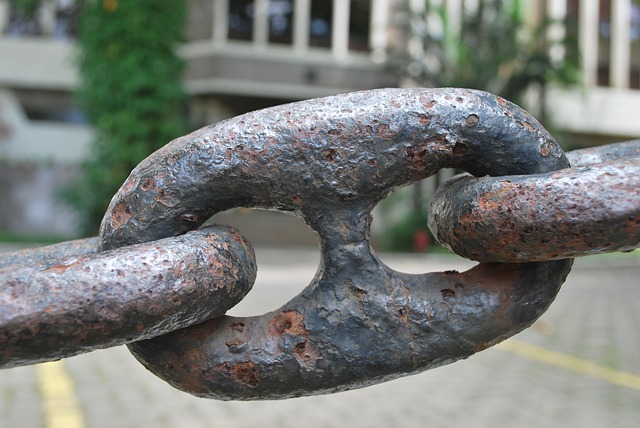 It’s virtually impossible to be a violent person – in actions or in words – if we’re practicing what is listed in the above bullet points. If we truly live our lives outwardly, we’ll create a binding strength that will make us stronger as individuals, while also creating an indestructible civilization that can stand up against anything that gets thrown in its path. I certainly can’t say the same for the Me, Myself, and I method of existence.
No. I alone can not do it . . . no one can.
The sooner we realize that fact, the better off we’ll all be.
My parents and two siblings are immigrants
There, I’ve said it.

Don and Pat Desaulniers (who later changed the spelling of their surname to Desonier to make it easier for Americans to pronounce…it didn’t, they still slaughtered the pronunciation) and Donald and Mary Desaulniers moved to Philadelphia, PA from Canada and eventually relocated to Los Angeles, CA.
Not me. I was born in Pasadena, CA shortly after my family moved to the west coast. Does it get any more American than that?
You see, way back when, my father was a hard working employee of Manufacturer’s Life Insurance Company, an international company based out of Toronto, CANADA, and he was offered a position in !AMERICA! that he felt he couldn’t refuse because he loved his wife and young family and was given the opportunity to move up in the company’s employee ranks and by God he jumped at the opportunity. My father retired from Manulife after 50 years of service with them.

My parents felt strongly about being an involved, integral part of American society so they let go of their Canadian citizenships and became American citizens along with my brother and sister, and of course since I was born in America, I was instantaneously a citizen. Lucky me.
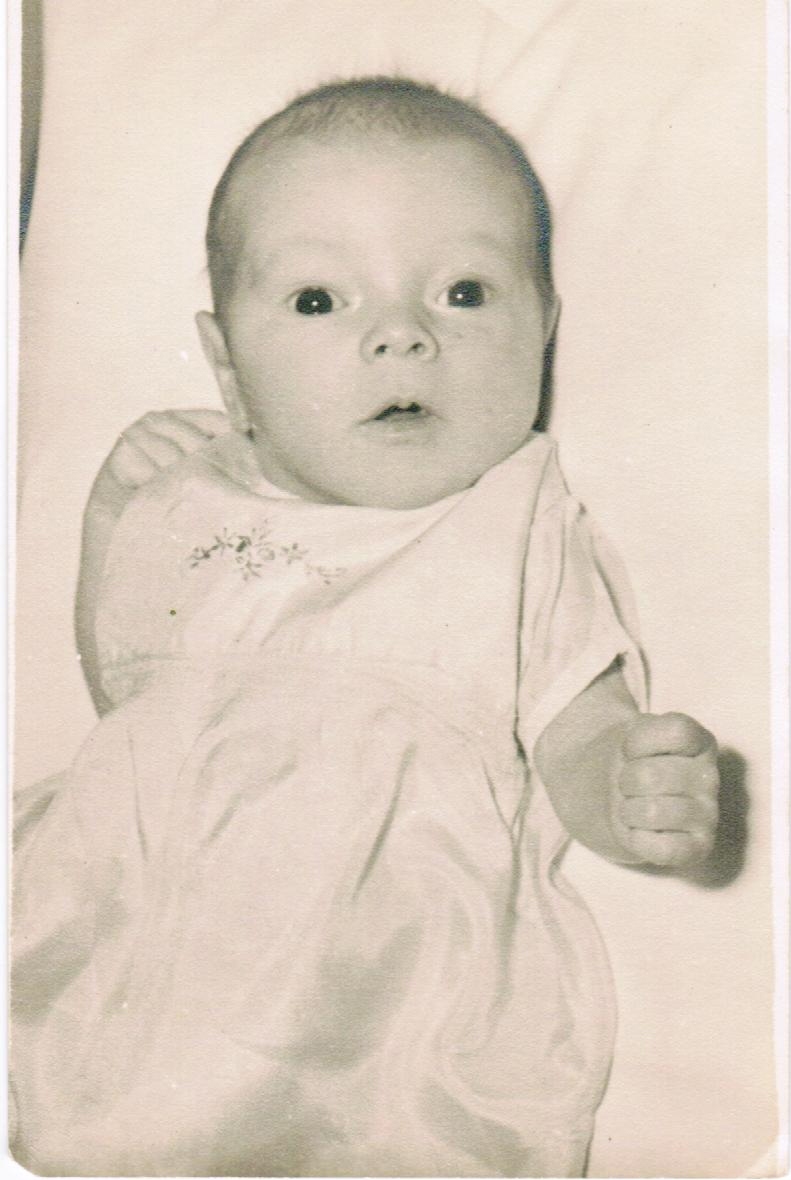
I’m quite certain most people reading this post can trace their ancestry to other countries, and many of you don’t have to go very far back – just as I only needed to go back to the early 40s with my immediate family to find the start of my ancestry’s foray from a foreign country into the United States.
Other than Dad, no additional members of his family of six moved to the United States but four of six adult children in my mother’s family of eight are immigrants. Counting my siblings, aunts and uncles, and numerous cousins, close to 68% of my immediate Desaulniers/Conroy family members made the move to the United States and I assure you, they were welcomed, and as far as I know, the United States still treats its Canadian immigrants as they did my parents so many years ago. Or maybe I missed current headlines declaring that Canadians weren’t welcome and that a wall should be built between our northern border with Canada…
Did I miss something?
Why aren’t American citizens up in arms about the influx of immigrants from non-Muslim countries and those from countries that aren’t Mexico who’ve made the United States their home: Canadians, Eastern Europeans, the French, Italians, Australians, New Zealanders and Germans to name just a few? Americans’ arms are spread wide for those who aren’t a part of America’s “no-entry” list, and I applaud their generous gesture.
Answer me this: do intelligent Americans actually believe that if you’re coming into our country from a primarily Muslim country, you’re a terrorist? Seriously? And do those same Americans believe that immigrants from Mexico are murderers and rapists and have taken away the jobs in which they, the Americans, are most interested?
I believe as my parents did, that when you’re living in a country and benefiting from its resources you should give back to the country, which sometimes means becoming a citizen but not always. What about those legal immigrants who – having families just like mine – want to do all they can to create a safe, healthy, and financially secure existence for their loved ones by working in America, getting involved in commerce (aka buying stuff in America), volunteering in their communities, and being good neighbors? They are an integral part of the melting pot that we so proudly boast as being what a well-rounded and diverse society should look like.
I don’t know, maybe we should just scrape the inscription off the Statue of Liberty if indeed Americans are no longer willing to welcome those whom we’ve graciously invited to our very shores for so many years. If the invitation is no longer being extended – or if it’s being ruthlessly discriminatory – don’t tease the huddled masses from afar, and don’t pretend to be the extraordinary country I’ve called my home since 1953.

Hatred and intolerance have no place in religion
 A little bit of backstory about myself: I was raised Roman Catholic, then in the late 70s I steered clear of any religious involvement for several years, then I became a born again Christian in 1981, actively involved for thirteen years, then in the late 90s, I went back to the Catholic church and was very active in said church, then in 2013 I abandoned that church for good when intolerance was exhibited regarding gay marriage.
I didn’t, and don’t, believe that everyone in the Catholic church is intolerant – not at all – but when the local Catholic archdiocese instructed parish priests on how to block a political vote for gay marriage, I was outta there. One of those measures saw a petition table set up during church services so that people could voice – by their signature – their opposition to the measure.
That went over the line of separation between church and state. My worship space was violated: the space where a loving community of fellow believers assembled to worship God and emulate Christ.
I’m pretty damn familiar with the Bible. During my thirteen years in an evangelical church, I read the big book from beginning to end twice a year, I went to church three times a week and heard many, many scripture readings and sermons, and I went to Bible study once a week. For several years I led a Bible study group for single mothers – myself being one at the time.
Anyone who has read the Bible, regardless of how he or she may interpret some of the teachings therein, has to conclude and profess that God is about love; that to live a life modeled after Christ is to live a life in which love, acceptance, inclusiveness, and lack of judging ones fellow man is at the forefront.
I’ve seen many news and social media postings over the years – and increasingly so during this current election cycle – where hatred oozes from the words on the page. These postings written in the name of God and/or Christ spew hatred in record volumes. They are:
- Anti-Muslim
- Anti-gay
- Anti-immigrant
- Anti-younameit
 Bear with me for a moment. Let’s pretend that Jesus Christ – savior, prophet, and Son of God – is alive and physically present at this writing. He goes to work like everyone else; he purchases his venti double-shot latte at his favorite Starbucks just like you and me; he mows his lawn, washes his car, gets stuck in traffic just like the rest of us mortals. In short, he’s participating in life as many of us know it.
When Jesus is standing at the water cooler on a Friday afternoon with the rest of his coworkers discussing the upcoming weekend’s plans, and/or the state of the current election season, is he full of love or hate for those with whom a certain percentage of our society have a bone to pick?
- Does a homophobic slur escape from his lips when someone known to be gay at his work place announces his plans to participate in that weekend’s Pride Parade?
- Does he elbow a fellow nine-to-fiver in the ribs and say, “Here! Here!” when that employee speaks ill of people of certain faiths?
- Does Jesus get on the anti-immigrant bandwagon and ask, “Where do I sign up for that wall construction? God knows, I’m pretty darn good with tools!”
Is that the Son of God that exists in the Bible?
Is his intolerant and judgmental behavior what one would expect of a child of God?
I don’t think so.
So why are so many children of God behaving that way? The manner in which they discard Christ’s teachings makes one think that these mere mortals believe they know better – and are better – than the person after whom they are supposed to be modeling themselves.
Please, if that’s the case, don’t call yourself a follower of the loving, forgiving, God I grew up knowing.
Give yourself a different moniker than Christ-ian.
How about:
- Herod-ians?
- JudasIscariat-ians?
- Abimilech-ians?
- Absalom-ians?
- Jeroboam-ians?
- Belshazzar-ians?
Pick a name, any name but “Christian” because you’re not representing the God of love; not by any stretch of the imagination.
Forgotten children
 I don’t know about you, but I’ve left something in my car and later regretted doing so. One item in particular that I REALLY regretted leaving in the trunk of my car was a can of frozen orange juice. I guess I didn’t forget it, it slipped out of my shopping bag and after awhile, once it had melted, it turned bad…real bad and stunk up my car. Fortunately the smell alerted me to the neglected juice can so I could retrieve it and thoroughly clean out my trunk to eliminate the stench of rotted, putrid, orange juice.
Okay, true confession time. Let me be totally honest with you, there have been other items I’ve left in my car, the fact that they existed having completely slipped my mind:
- Cell phone
- Water bottle
- Briefcase
- Umbrella
- Jacket
- Bag of snacks
- iPod
So yes, I can readily be accused of forgetting something in my car that should have been brought into the house.
 But I never left my child in my car.
I never forgot I had a daughter and then “slap myself on the forehead” ran out to retrieve her to bring her inside the house.
What’s going on these days that some parents now go about their day, fully oblivious to the fact that earlier in the day they had placed a child in his or her carseat in the heat of the day, and that if the child isn’t in the house when you enter the house, there must be some place where he or she may be located?
Or when you go to work, having placed a child in the carseat earlier in the day, you somehow work your shift and then return to your car, drive home, and then remember you and your spouse gave birth to this little bundle of dehydrated flesh some x-years ago?
Are we so distracted that a living, human being slips our minds?
How can one explain this extraordinary occurrence of parents forgetting their children in their vehicles?
Hell, I didn’t even leave my child unattended in my vehicle just because my store errand would only be 5 minutes! No, too many things could have happened during that five minutes and I wasn’t about to chance any of those from occurring to the little girl I carried in the warmth and protection of my womb. I would rather be inconvenienced having to unstrap her from the carseat – even if she had fallen asleep and desperately needed some Zzzz time – and carry a crying child into the store for my five minute errand than risk anything happening to my most cherished possession.
The fact that car manufacturers are now developing alarm systems in vehicles to alert a parent to the existence of their flesh and blood seems rather alarming in itself…doesn’t it?
Or is it just me who thinks so?
Ann Hedreen: Enough gun violence, already!
Please take the time to read Ms. Hedreen’s thoughts with this article reposted from her blog: The Restless Nest. Ann Hedreen is the author of Her Beautiful Brain: A Memoir.

You know how it is. You don’t want to feel numb. You know that numbness is just pain postponed. Novocained. You know that, in order to get through this, you’ve got to feel. And so you go about your day. You get in the car. You turn on the radio. Some of the speakers […]
We’re all different versions of each other
Black, brown, or white.
Gay, straight or trans.
Rich, middle class or poor.
Religious, agnostic, or atheist.
Young or old…
We’re all the same, but different.

 In the book A Different Perspective on Alzheimer’s and Other Dementias: Practical Tools with Spiritual Insights, author Megan Carnarius relayed a conversation she had with one of the employees she supervised in a long-term care facility who was moving out of state. Ms. Carnarius asked this young caregiver what she had learned from her job of four years. This is what she said,
Older people are no different from any of us. People with dementia are no different from us. They all, we all, have the same feelings and needs.
They want to laugh and be silly, they want to be listened to and be taken seriously, they want to be reassured and loved, they want to love and be helpful, make a contribution, just like everyone else.
I learned that here.
It is my hope that all of us learn that same lesson so that whomever is in our lives, so that all those with whom we come in contact, we’ll be able to recognize ourselves in them and perhaps treat them with the respect for which all of us yearn.
Bearing another’s burdens
 While waiting for an appointment the other day, I picked up the May 2016 issue of O Magazine and read a brief article by author Elizabeth Gilbert, of Eat, Pray, Love fame in which she relayed her experience riding a cross town bus in New York City – a bus filled with sweaty, disgruntled, rude, and combative passengers. It was the end of the business day for most and from Ms. Gilbert’s perspective, it appeared that every one of them – her included – had had a shitty day. Add to that, the weather was less than accommodating.
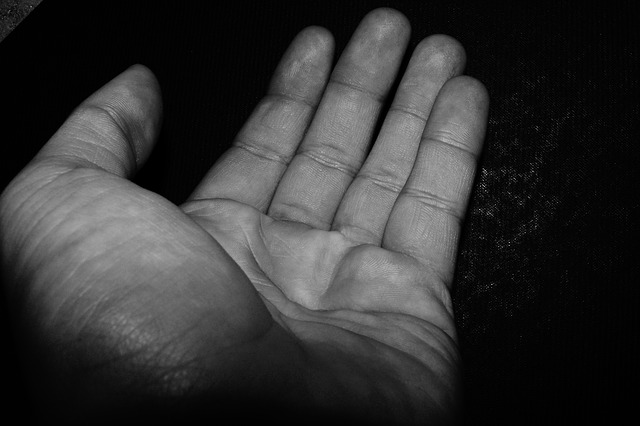 The bus driver got on the intercom and announced (I’m paraphrasing here):
I know you’ve all had a lousy day for one reason or another. You’re either upset about something that happened to you today or by what’s currently going on in your lives.
This is what I’d like you to do. When it comes to your bus stop, I’ll hold out my hand and I want all of you to drop your troubles in my hand as you exit the bus. When I get to the Brooklyn Bridge, I’m going to toss all of your troubles out my window.
Will you do that for me?
You can imagine the mixture of mumbling and giggling that ensued after that announcement but at the very first stop, the disembarking passengers symbolically dropped their troubles into the driver’s out-stretched hand.
And then every passenger did the same at each stop along the route.
What a wonderful gift that driver gave to all the perfect strangers that rode his bus that afternoon, a gift that cost him nothing but benefitted so many.
Every day, in so many ways, you and I have the ability to lighten another person’s load.
How will you do so today?
A call to cyclists
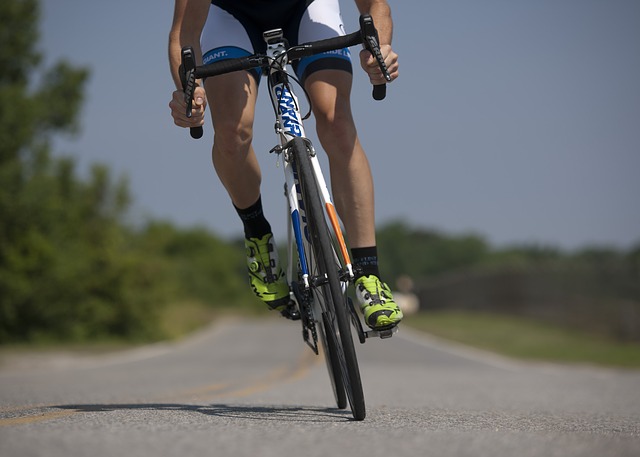 If you are a cyclist who rides his or her bike on paved or unpaved trails meant for both walkers and cyclists, please hear my plea:
Offering an “On your left!” when you pass me on the trail will go a long ways towards endearing you to me.
My husband and I took a six mile walk on the Sammamish River Trail from Redmond to Woodinville this morning. This paved trail is used by walkers, joggers, roller bladers, parents with strollers, cyclists, you name it. It’s there for all of us to enjoy. Please understand that as a walker, I can not hear you coming up behind me: your sophisticated bicycle doesn’t alert me to your imminent arrival until you’ve zoomed past me, sometimes causing me to lose my footing or at the very least, jump starting my heart to where it need not jump. This shock to the walker’s system can be avoided by a simple announcement on your part that you’re about to pass me on the left.
To those who did announce themselves, my husband and I yelled an equally as loud, “Thank you!”
To those who did not announce themselves, they heard us shout, “Warning please!”
How inconvenient or difficult is it for you to either ring your handlebar bell or shout “On the left!” as you approach our backsides?
 Young or old, two thirds of those who passed us from behind did not announce themselves. And lest my readers think we were walking in the middle of the path so as to be a hindrance to cyclists, we were not. We always hug the right side of the path to allow for oncoming and upcoming cyclists. We’re all supposed to share the path – that’s what we do.
None of those to whom we shouted, “Warning please!” apologized for their rude oversight. A simple, “Sorry!” or “My bad!” would have sufficed.

All I’m asking is that cyclists extend the courtesy of letting walkers know they’re about to whiz past them so they can be sure to get even further out of their way. Each and every time a rider alerted us to their presence, my husband and I thanked them and moved more to the right, to which the cyclists said, “Thank you!” What a delightful and courteous exchange, don’t you think?
A collision between cyclist and rider would most certainly cause severe harm to both.
That’s sure to ruin both our days, don’t you think?
Caregivers: bruised by judgments & criticism (reblogged from My Alzheimer’s Story)

Dedicated to unappreciated care partners worldwide. Thank you for all you do. Dear random person who sees my care partner from time to time and feels the need to point out s/he has bruises all over her/his body that look frightening and s/he has really declined a lot since the last time you saw her/him and…
via an open letter to those who think they know better — My Alzheimer’s Story
Us Against Them Mentality
What in the world are we gonna do with all the relentless separation of our country’s citizens – a separation that takes on the trappings of political parties.
Republicans vs. Democrats
 A Republican and a Democrat walk into a See’s candy store, both standing at the display case filled with dozens of dark and milk chocolate candies. Some have nuts, some have brittle. Some are round, some are square.
Ms. R says to the store clerk, “Give me one each of every milk chocolate candy you have. I LOVE milk chocolate and can’t get enough of it.”
Ms. D overhears Ms. R and thinks, “Well, I sure love milk chocolate and quite frankly can’t stand the taste of dark chocolate but I’ll be damned if I’m gonna be in agreement with that woman.“
Ms. D says to the store clerk, “I’d like one each of every dark chocolate candy you have.”
The clerk recognizes Ms. D because she’s been in the store at least once a week since she started working at the Starbucks next door. “Ms. D are you sure you want dark chocolate? You don’t like dark chocolate, you only like – “
“You must have me mistaken for someone else. I always order dark chocolate when I come in here. I don’t want to have anything to do with milk chocolate; it’s dark chocolate all the way for me.”
*******
 There’s an entire world of Mr. & Ms. Rs and Mr. & Ms. Ds who on principle alone choose to disagree with each other. Climate change is one of those issues that has become a partisan issue. The earth’s climate has gotten hotter and hotter each year. I’m quite certain that the 97% of scientists who assert that climate change is real are affiliated with every recognized political party out there. They didn’t have to be of one unified party to come to their conclusion because the facts speak louder than any one person – or party – could.
All temperature records point to a warmer Earth year after year.
It’s been proffered that those who oppose the theory of global warming do so because of the profits certain companies can make keeping everything status quo. I guess conversely one could say that those who affirm the global warming theory do so because of the profits certain earth-saving companies can make by changing things up.
This is my theory on the matter. I think us humans don’t like to be made to feel guilty about f’ing up the atmosphere.
Trust me, I like status quo when it comes to many things in my life but I’m not so blind or closed-minded to suggest that the current world’s population of 7,322,976,778 (as of this writing) and the US population of 323,500,455 have nothing to do with the function of the planet. To think such a thing would be so utterly moronic that I refuse to believe that anyone could in good conscience conclude that we’re doing absolutely fine the way we’re handling things.
We don’t like being told that we have to do something different to save the planet we’ve been destroying for centuries on end.
Leave me and my god damn SUV alone!
I’ll monitor my own water usage, thank you very much! I’m paying for it, for God’s sake. No utility has the right to suggest that I’m using more than my share! If I’m willing to pay for my water usage, I shouldn’t have to cut back one drop!
I recycle more than I create garbage. I think I’ve done my part to save my portion of the planet! I mean, what more can an average citizen be expected to do?
There are so many things we can do to reduce our carbon footprint – our impact – on the world at large. And there are so many dedicated websites that very clearly show us how to do that. As I close, I leave you with just a few of those sites:
What harm is there in believing in the theory of climate change and global warming, anyway? Wouldn’t it be a good thing if we were to take measures to preserve the only home we’ll ever have?
The man in the tree – Seattle, Washington
 It seems we’re so trained to treat the world as our own personal entertainment venue that when it comes to a mentally challenged man’s fate, we don’t give a shit what happens to him. We the inconvenienced public stand at the base of an 80 foot tree into which he’s climbed in one of the busiest sections of downtown Seattle, Washington and we shout:
“Shoot him!”
Jump!”
What the hell is wrong with us that we so carelessly thrust our complete lack of empathy at this man with words that could very well have ended his life right before our eyes?
Frack you
those who treated this human being’s frailty with such callousness!
Frack you!
The mid-life crisis myth
 The Middle-Age Surge written by columnist, David Brooks, is a fabulous expose on what it really means to be living in ones “middle ages.” He reviews the book, Life Reimagined, by Barbara Bradley Hagerty while also proposing that the idea of mid-life crisis is truly a myth that many don’t see as being applicable to them. I mean seriously, people, how many friends or coworkers of yours purchased a zippy sports car when they hit their mid-40s or later?
Many years ago I briefly dated a guy who drove a gold-colored early model Porsche. On my third date with him, I said, “You know what they say about guys who drive Porsches, don’t you?” His response was nowhere near the statement I was going to provide that centered around over-compensation for short-comings. He said, “Yeah, they have lots of money.”
Not even close.
Anyway, Mr. Brooks quotes theologian Karl Barth who described midlife in this manner:
The sowing is behind; now is the time to reap. The run has been taken; now is the time to leap. Preparation has been made; now is the time for the venture of the work itself.
 I can unabashedly declare that I can look back on my life with a more refined foundation of wisdom; I can move forward, not haphazardly, but with focus and intent. I know what’s important to accomplish before my time on this earth comes to an end, and I’m not going to let anything get in the way of my doing so. (So watch out publishers, I’m knocking on your doors!)
The people who find meaning at this stage often realize the way up is down. They get off that supervisor’s perch and put themselves in direct contact with the people they can help the most. They accept that certain glorious youthful dreams won’t be realized, but other, more relational jobs turn out to be more fulfilling.
One of the conclusions the columnist comes to is that the mature mid-life folks “are less likely, given all the judgments that have been made, to care about what other people think.”
And that describes me to a T.
See also:
I still have something to say, 700 posts later
I started this Blog site in September 2011. Five and a half years later I’ve reached a milestone with this entry: my 700th post.

I don’t know what is the average survival rate of a Blog. I guess as long as the host has something to say and is willing to be consistent in her/his efforts, it can last quite some time.
Four years after the death of my father to Alzheimer’s disease I started looking into what all this blogging crapola was about. I felt my experience as a caregiver, coupled with my work as a long-term care ombudsman for the State of Washington (now retired), gave me ample ammunition for subject matters that relate to our aging population … but not just to our aging population, to all of you who are faced with the struggles inherent from having aging loved ones.
About half way through my Blogging experience I changed the “About this Blog” portion of my website to reflect that there is a commonality among those problems experienced by young and old alike. Those problems may look somewhat different on the outside but all of them involve the following sentiment:
Life sometimes throws curve balls at us for which none of us are prepared.
I guess I still maintain this Blog because I still have something to say, and some people out there still need to hear it.
 I witnessed a sad occurrence at my local grocery store the other day. Read the rest of this entry »
Small acts of kindness, huge benefit
 The other day I showed up ten minutes before my local pharmacy opened, wanting to be sure to get immediate assistance when I brought in a prescription to be filled.
Three extraordinary – yet small – things happened at that early hour when I was feeling less than able to even stand while I waited for the pharmacy gate to open.
- A store clerk that was doing some pricing procedures in the main part of the store in front of the pharmacy greeted me, asked how I was doing, and when I responded, “Not so great, actually” offered to help me to the pharmacy bench.
- Then the pharmacist opened the pharmacy early, 8:55 am, and told me my prescription would be ready in 10 minutes. I then left the pharmacy to go to the women’s room and as I was walking back, the third kindness occurred.
- The store clerk who had greeted me upon my arrival in the pharmacy area took the time to find me at a different area of the store to let me know my prescription was ready.
Big deal, such small courtesies are hardly worth writing a blog piece about, right?
Wrong, they lightened my burden and jump-started my day.
Don’t ever feel your efforts won’t make a difference.
They do, and they have.
Owning our mistakes
I can honestly say, if I screw up, I admit it and try to do better. I’m not perfect. I’ll never be perfect. I apologize when my imperfections impact others.
If only everyone would take responsibility for their mess-ups. It’s okay not to be perfect, join the club, there’s a large membership and I’m the president!
Walking down a hill during my solo afternoon walk today, a man was walking up that same hill approximately a half block away. His small white dog – not on a leash – ran past its owner and toward me. I turned right onto a different street, the dog followed me and barked at me. I said “no” a few times and he eventually backed off. (No involvement by the dog owner whatsoever.)
One and a half miles later, that same dog owner, with that same unleashed dog, ended up on the same street as I, a half block away, on the opposite side of the street.

It is never wrong to do good
You’ll never be faulted for doing your best.
Regardless of the outcome, always fall back on doing something for the common good.
I’m currently reading The Road to Character, a book by columnist and political pundit, David Brooks. I recently watched an interview of his with Oprah Winfrey and was so impressed with the subject matter, I purchased the book he was promoting.
Mr. Brooks talks and writes about the difference between Adam I and Adam II, the latter being the person who has lived a eulogy life, not the resume life of Adam I. You’ll need to read the book to understand the full contextual meaning, but what follows is just one of many elements that resounded with me. I provide this excerpt verbatim:
When a person gives a poor man shoes, does he do it for the poor man or for God? He should do it for God …
The poor will often be ungrateful, and you will lose heart if you rely on immediate emotional rewards for your work. But if you do it for God, you will never grow discouraged.
A person with a deep vocation is not dependent on constant positive reinforcement. The job doesn’t have to pay off every month, or every year.
The person thus called is performing a task because it is intrinsically good, not for what it produces.

You see, we’re not responsible for the outcome. Most of the time, we’ll never witness how our good deeds helped another person. If our motivation was only to observe first-hand the benefits such deeds might produce, we’d stop doing good in short order. We must exercise faith and hope that our actions are not wasted.
Your ability to discern your vocation depends on the condition of your eyes and ears, whether they are sensitive enough to understand the assignment your context is giving you. As the Jewish Mishnah puts it, “It’s not your obligation to complete the work, but neither are you free to desist from beginning it.”
All that we do with a clear conscience is good. We must not refrain from standing up and stepping forward. The good we do may be the beginning of a widespread process of well-being for others, or it may be the finishing touches on that which was started some time before you came into the picture.
It’s never too late to do good. Why resolutionize your intentions until next year? Start now.
See also: Your positive imprint on mankind, Do little rather than nothing, Valuable acts of kindness, Positive community activism
Introducing: Lainey Piland, environmental writer/advocate and photographer
In the past, I’ve written posts spotlighting an artist who uses paints, brushes and charcoal for her creations: Mary Riesche: artist and sister extraordinaire, and Art worth viewing: spotlight on Mary Riesche.

Today’s focus is on an artist who uses words, sentences, and photographs as the canvas for her creations.
Lainey Piland happens to be one of my stepdaughters, so with that matter disclosed, I can now continue to rave about her talents without any masked conflict of interest. When you check out her blog, A Day Without Rain, you’ll rave about her abilities as well.
I don’t think Lainey would mind my saying that as a youngster she was far from enamored with hiking in any shape or form. (This is a fact admitted by the artist herself and her father, my husband.) But in the past several years, hiking has indeed become a passion of hers. Her husband, TJ, benefits from her hiking passion and gifts her with acceptance and total lack of complaining when called upon to accompany her on her many jaunts throughout the Pacific Northwest. Read the rest of this entry »
Tips for helping a caregiver
 The latest AARP Magazine had a fabulous article providing helpful ways in which to make a caregiver’s life just a wee bit – or quite a bit – better. Here are a few tips for you to adopt in your life.
- Bring her a low-maintenance houseplant
- Take in his mail
- Do yard upkeep, whether raking leaves, mowing the lawn, shoveling snow
- When you’re heading out to buy groceries, ask him if you can pick some things up for him
- Take her kids or grandkids to the park or to a movie
- Stop by with a board game or a movie to watch – a perfect way to get his mind off things
- Visit her with a pet that has a sweet disposition
- Take his dog on a walk – maybe on a daily or weekly basis
- Do some light housework or repairs: dishes, vacuuming, dusting, ironing, smoke alarm battery and light bulb changing, fixing a leaky faucet
- Return her library books
- Volunteer to stay at home to wait for the cable technician, repairman, etc. while he attends to other more pressing needs
- Bring him a week’s worth of meals in freezable containers
- Send her a greeting card on an ongoing basis. Who doesn’t love to receive real postal mail?
- When visiting, let the person vent, without passing verbal judgment on what they may say
- Do an item or two on her To-Do list – I promise you, her list is extraordinarily long
- Offer to make a photo album with him, using photos that mean a lot to him and the rest of the family
- Give him a gift card to a restaurant he may enjoy, or better yet, take him out to dinner
- Help him decorate for the holidays
- Drop off or pick up a prescription
- Keep in touch with her, even after her loved one passes. Too often, the grieving one has more attention than she can handle immediately after someone dies, then when she could really use some TLC, no one can be found.
Normal is highly under-rated
 Have you ever experienced a time when things just weren’t going right or you were ill and felt you would never again return to normal?
Of course you have, we all have. We were so wrapped up in our current state of affairs, we couldn’t even remember what normal feels like. This phenomena may also be characterized as craving the status quo, a condition that many of us usually abhor, given the option of leading an eventful and stimulating life.
When we’re on our knees praying to the Universe for a break – or perhaps worshiping the Porcelain God with an upside down stomach – we’ll give anything for boredom, a heightened state of normalcy, or a long stretch of monotony.
My suggestion to you: the next time your yawns make you impatient for something different, be careful what you wish for and enjoy the ennui while you can.
 And when you’re going through a rough patch, remember that when you’re in the dumps, this too shall pass, and when it does, you’ll have the opportunity to relish the calming state of normalcy once again.
It’s always nice having something to look forward to, isn’t it?
Caregiving 101 through 1001
 I’ve written several articles over the years about the importance of assembling a caregiving team when caring for a loved one – a team that doesn’t necessarily rely on family because not everyone has a participatory family when it comes to these matters. Of all the life-changes we encounter during our journey, caregiving is one of – if not the most difficult – speed bump to get over.
Caregiving: the ultimate team sport suggests how one might use the strengths of each team/family member to handle the varied needs during the caregiving journey.
Family dynamics that hamper caregiving success exposes the need to let go of stereotypes or childhood roles that don’t serve siblings well as adults. If ever there was a time to work together for the greater good – taking care of a family member with dementia or other terminal illness – this ranks right up there at the top.
Solo caregiving addresses the needs of the person who appears to be strapped with fulfilling all the roles needed for a successful caregiving venture. As the sole caregiver, you need not settle into those roles, not without the help of other, well-meaning individuals. Certainly, much relies on the neighbor, coworker, even casual acquaintance, but said entities are a resource from which much assistance can be found.
 And here are several more articles for the caregivers out there – and those acquainted with a caregiver – to provide some wisdom and encouragement through the tough times: Read the rest of this entry »
Why I love the internet
 Sure, it’s convenient and very utilitarian for our every-day use. As a writer, I benefit greatly from an online Thesaurus to use alternate words. Case in point, there’s gotta be a better way to say, “Colleen got angry (irked, vexed, indignant, apoplectic, choleric) when traffic made her late for her hair appointment.”
And among the many other reasons for which I use the internet, I count on it for quick access to a recipe for an I’m too exhausted to be creative meal on a Monday night or in the alternative, a restaurant that’s not too far away from home and can seat us at the last minute. Bottom line, I take full advantage of what the inter-web has to offer.
But the biggest reason I love the internet is that it reaches anyone who has access to any type of computer device – especially those in need of some sort of assistance when sorting out the difficulties of life. My need for a dining alternative pales in comparison to someone searching for help when caring for someone with a debilitating illness.
One of the blogs I follow: My Dementia Experience, is written by a woman, NorCalMom, who takes care of her mother-in-law. This delightful caregiver also has five children of her own. But NorCalMom jumped into caregiving with both feet in 2013 when Marie, her mother-in-law, moved in with her and the rest of her household because of Marie’s advancing dementia. Reading just one of this blogger’s posts will show an outsider what types of challenges NorCalMom faces on an ongoing basis.
As caregivers, and I’ve been one as well, we oftentimes “wing it” when it comes to handling the day-to-day, and shockingly acute, issues that occur during our caregiving journey. The unpredictable nature of Alzheimer’s or other dementia makes even the most mundane activities frustratingly impossible to handle with only a layman’s knowledge of providing care. For example, how does one communicate with a person who can no longer understand what is said to her and who can no longer respond cogently to questions proferred by their primary care person?
Caregivers need psychic powers to unravel the mystery of care providing. Or do they? Read the rest of this entry »

