Alzheimer’s/Dementia
This Week’s Good News!

Leave it to Reno, Nevada to figure out how to use dance to benefit those with cognitive impairment. This story spotlights a wonderful dance club that is making a grand impact on the lives of those with dementia and their loved ones.
Dynamic Trilogy by Actor/Director Lynne Gentry: Women of Fossil Ridge
 by Lynne Gentry
Fourteen years ago, my mother was diagnosed with an aggressive form of breast cancer. She was a brilliant woman who’d spent the majority of her career in the legal field as a very sought-after court reporter. But as her disease progressed to her brain, her physical and mental health slowly declined. The woman I knew, the one who could add columns of numbers in her head and spell medical terms longer than her arm, slowly lost the ability to balance her checkbook and manage her meds.
It soon became evident that someone would have to step in and help my father manage her care.
Unlike a lot of caregivers, I was fortunate. I have two sisters and a brother. All of us agreed to give one week a month to come “take care of Mom.” But I lived 8 hours away and had to make the long drive alone. Added to the strain of doing my part for Mom, I had a husband, a drama business, and two teenagers still living at home.
For two years, I juggled Mom’s care and my family. It was the most wonderful thing I’ve had the privilege of doing. It was also the most stressful, exhausting, and one of the saddest times in my life. When Mom’s thoughts were clear, we’d reminisce about old times, or I’d ask questions about her childhood. I did my best to collect her knowledge of our family tree. But as cancer progressed in her brain, the good days became fewer and her thinking became more like that of someone suffering from Alzheimer’s disease.
Mom had little notebooks everywhere with jottings that made no sense and her actions became dangerous. One day she drove her motorized wheelchair to the curb, slid into her old Lincoln, left her scooter on the side of the road, and drove herself to Walmart. When she got to the store, she realized that without help, she couldn’t get to the motorized cart she needed to navigate Walmart. She sat in the Walmart parking lot for thirty minutes, had a good cry, then turned around and drove home. Fortunately, she didn’t wreck the car, she found her way home, and her scooter was right where she left it.
To keep from crying about Mom’s deterioration, I learned to laugh. Humor became my key to surviving the horrible process of watching pieces chip off of this person I’d always thought was invincible. Watching Mom deal with her impending death taught me a lot about how I wanted to die. There were things I wanted to do and so many things I wanted to say while I still could. Most importantly, I gained a deeper appreciation for each day and the importance of faith, friends, and family.
But I wasn’t sure what to do with the stress I felt for how much time taking care of Mom was taking away from caring for my family. We’d just moved to a new city. My teenage children were adjusting to a new home, new school, and trying to make new friends. The burden of taxiing them to all of their activities fell to my husband. Every time I missed one of their activities, I was swamped with guilt. When I was with Mom, I felt like I was failing my kids. And when I was with my family, I worried that Mom’s care would fall through the cracks.
While this fictional story does not depict the exact journey I had with my mother, many of the feelings portrayed in the three-book series come from the ups and downs I experienced during the caregiving process. When I did the research into the different types of dementia, I realized the dilemmas that arose during my intense period of caregiving were not unique to me. Millions of you are currently sacrificing your time, money, and efforts to care for an aging parent. Your struggle is real.
My prayer is that this three-book series will give you permission to laugh, rest, and to ask for help when you feel pulled in a thousand different directions. That you will experience love on the deepest level when you give love to another—whether or not they give love to you. That by your loving actions you will teach your children what it means to love, even when it’s difficult. That you’ll find something to laugh about every day. And that, in the end, you’ll forgive yourself for feeling like you failed everyone who had you sandwiched between two impossible choices.

Lynne Gentry Author Bio
Lynne Gentry is an actor/director turned award-nominated fiction author who loves using her crazy imagination to entertain audiences with her books. Her varied works range from the highly-praised time travel series (Carthage Chronicles) to two laugh-out-loud romantic comedy series (Mt. Hope Southern Adventures and the Women of Fossil Ridge). She recently released a co-written medical thriller (Ghost Heart) with author friend Lisa Harris. RT Reviews calls Lynne Gentry a Top Pick author and one to watch. Readers say her writing is extraordinary and her stories exceptional. When Lynne is not creating enchanting new worlds, she’s laughing with her family or working the cancer wards with her medical therapy dog. Find out more about Lynne and her books at www.lynnegentry.com.
Website: https://www.lynnegentry.com/
Facebook: https://www.facebook.com/Author-Lynne-Gentry-215337565176144/
Twitter: https://twitter.com/Lynne_Gentry
Pinterest: https://www.pinterest.com/lynnegentry7/?etslf=4411&eq=lynne
Instagram: https://www.instagram.com/lynnegentry.author/?hl=en
Amazon links to each book in the trilogy: Flying Fossils, Finally Free, First Frost
The limited value of worrying.
 Your parent is diagnosed with Alzheimer’s disease or other dementia and as their biological child you wonder, “Will that be my fate?”
An article of mine, Me Worry? Not on your Life was recently published on the CogniHealth website, a company that in partnership with Alzheimer Scotland, developed a caregiver aid for those – especially family members – providing care for a loved one with Alzheimer’s disease or other dementia.
I chose the topic of whether or not dementia might be passed along to biological family members because as a daughter who witnessed the decline of her father as a result of dementia, I certainly had an opinion on the matter. Does one need to worry their entire life about the chance of acquiring Alzheimer’s disease?
I hope you will read my article that while transparent and painfully clear, also provides many rays of hope and encouragement for those in similar circumstances.
At the very least, I am certain you will come away with a clearer understanding of how little value worry contributes to ones’ life.

Meet Sue Anne W. Kirkham, author of Loving Zelda – A Stepdaughter’s Caregiving Journal

by Sue Anne W. Kirkham
How it all began:
It was late October when my husband, Jack, and I showed up at my father and stepmother’s townhouse to walk their two dogs—a duty we’d taken on several months earlier, after they announced they no longer felt up to the task. At 84, my father suffered from respiratory and circulatory problems; at 81, my stepmother showed early signs of dementia, with some Parkinson’s-like tremors erupting, just to keep things interesting. I was determined that they not be forced by these circumstances to give up their pets. On this day, Dad greeted us at the door with another shocker. “We have to move into assisted living.” No hello. No how ya doin? Just this stark declaration.
Dad and Zelda had always been younger than their years in every respect. He continued his career as a psychologist into his late 70s, and the warm, witty, delightful woman he married in 1972 had always been active and ready for a new adventure. Each enjoyed absorbing hobbies, and they eagerly traveled the globe together for most of their 32-year marriage.
As Jack and I herded the pups that chilly autumn day, I remained troubled by the prospect of a radical change in lifestyle for my beloved father and stepmother. So I hatched a plan: leave my dreary clerical position and devote myself to lightening their load and injecting some sparkle back into their lives. I would carve out a new weekday vocation as companion/housekeeper/social director/exercise coach/assistant cook.
I kept a journal from Day One as, over the next 18 months, Zelda suffered incremental losses of mental acuity. Less noticeably, my father’s COPD was cranking toward a dramatic climax that none of us anticipated. While I focused on finding enough fingers to plug the ever-multiplying holes in the home-front dike, Dad’s staunch self-sufficiency propelled him through his own physical deterioration. Meanwhile, I watched Zelda—former organizer of Fourth of July kitchen band marches—fade into confusion. To be at her side through the slow, agonizing loss of her Self would prove to be the most affecting experience of my life. It soon became clear that the course I was chronicling was strewn with striking contrasts: moments of high hilarity and wrenching despair; snapshots of the struggle for dignity in the face of decline; arcs of mood between fear and optimism, gratitude and resentment. Hobbling my efforts to navigate these troubled waters was the crushing blow of friends and family members challenging my motives, questioning my trustworthiness.
This enterprise had much to teach me about life and death, human limitations, faith, and endurance. The struggle, as they say, was real. But the joys and rewards were every bit as genuine.
Why I wrote about it:
As my time with Dad and Zelda ended, a fresh commitment shaped my mission: I had been seeking a book topic I felt passionate about. This was that subject. I would share our experiences, unique amidst all the universal similarities, to promote understanding and support others confronting the challenge of caring for those who once cared for us. I chose the memoir format because, as dementia robbed Zelda of her voice, my journal became the story; it painted a complete and authentic picture for readers. Memoir also allowed for the interweaving of family history, a fleshing out of characters, and a means of affirming through narration the individual’s continuing worth, untainted by the loss of physical and cognitive abilities.
ABOUT THE AUTHOR
 Sue Anne Kirkham is a freelance writer who blogs atwww.yourrecipesforlife.com. She has published print articles on aging and family relations as well as online profiles of inspiring everyday heroes, and essays on health-conscious living and the peculiarities of contemporary culture.
FOLLOW THE AUTHOR:
FOLLOW THE AUTHOR:
Author website: www.lovingzelda.com
Author Facebook page: @LovingZeldaCaregiving/
Twitter: @SueAnneKirkham1
LinkedIn: Sue Anne Kirkham
12 years ago seems like yesterday
 Twelve years ago today, my father died from complications of Alzheimer’s disease. That morning I had received a call from the memory care unit where Dad had lived for several years. The nursing manager of that unit said if I wanted to see my father again before he died, I should come as soon as possible. (I had spent a week with him the month before and knew that his prostate cancer would most likely hasten his death.) I first called my husband at work to let him know I would find a flight from Seattle, WA to Medford, OR and be gone…for how long? I didn’t know. Then while on the phone with my brother and sister, I booked my flight online with a tentative return, threw the very minimum of clothing in an overnight bag, and headed to SeaTac International Airport.
If you have read my novel, Requiem for the Status Quo, you’ve pretty much read the account of what transpired for me at my father’s bedside; some of the happenings that day/evening were altered, but the gist of what transpired are contained in Chapters 41 & 42.
Upon my return to Seattle, my energy level was depleted yet still on alert. When you have a loved one with a debilitating disease, a state of alertness is the norm – the status quo of constantly being in a state of emergency, if you will. You keep waiting for the phone to ring with the latest development – such as it did for the last time on October 13, 2007 – but that phone number’s appearance on my Caller ID had ceased.
What hadn’t ceased was the business of dying – all the financial and estate matters one cannot ignore – but because of my father’s diligence and organization leading up to his Alzheimer’s diagnosis, much of what I needed to do on behalf of his estate and us survivors, was readily dispatched in the months that followed my father’s death.
But the “now what?” of life post-caregiving was front and center for me. Initially, I wanted absolutely nothing to do with anything having to do with dementia. I continued to financially support my local Alzheimer’s Association and participated in one more Walk to End Alzheimer’s, but that was it. Then my heart called and I became an Alzheimer’s Association caregiver support group facilitator and shortly thereafter, I entered the world of long-term care advocacy by becoming a Washington State LTC ombudsman, both of which I did for five years.
Then my heart spoke to me again, this time it said, “How about writing about your experience as Dad’s caregiver?” I ignored that thought until I no longer could – it wouldn’t leave me alone! I dragged out all of Dad’s records and my numerous journals, sat at my dining table, and over many months’ time, outlined how I would honor my father’s journey and my family’s experience within the pages of a book that might benefit others.
That was five years after my father’s death. My book was published five years later.
Now twelve years after the end of my father’s Alzheimer’s journey,
my book still manages to make its way into the hands of those who need it.
If you, or someone you know, needs encouragement and a renewed sense of hope,
please make your way to your favorite bookstore, or find it right here.
Blessings to you today, and always.

September is World Alzheimer’s Month

In celebration of the many former and current family caregivers in the world, and in honor of their loved ones with Alzheimer’s or other dementia, AlzAuthors has released the eBook of Volume II of Alzheimer’s & Dementia Caregiving Stories. The introductory price is only $1.99. Be sure to get your copy now!
Status Quo or Same-O Same-O
How often have you felt defeated because your day-to-day existence is somewhat routine and boring?
 The life of a family caregiver, attending to a loved one with a disease or malady that is all-encompassing, is never Same-O Same-O. Any semblance of status quo flies out the window shortly after taking on this learn-as-you-go caregiver role. The boring life about which the family caregiver used to complain no longer exists as she or he memorializes that long-abandoned way of living. My memorial to status quo existed while attending to my father during his Alzheimer’s journey.
Requiem for the Status Quo speaks of that memorial to things that once were.
Sustenance for the family caregiver
In a recent interview with Oprah Winfrey, New York Times columnist and author, David Brooks, eloquently responded to Oprah’s statement where she said, “I hear that authors write the books they need to read.” Mr. Brooks’ response:
We writers are beggars who tell other beggars where we found bread.
He further explained that statement by saying:
We found it here, we want to share it with you.
 That is what the more than 200 AlzAuthors have in common. Each author may describe their quest or mission somewhat differently, but no doubt many of them would agree that the impetus to write about their personal experiences was a call to action they could not ignore.
As a member of the AlzAuthors community, I personally feel that the more mainstream the conversation surrounding the Alzheimer’s and dementia experience becomes, the more the AlzAuthors’ vision will be realized:
Our vision is to lift the silence and stigma of Alzheimer’s and other dementias.

May you find sustenance within the AlzAuthors community.
My extraordinary success as an author
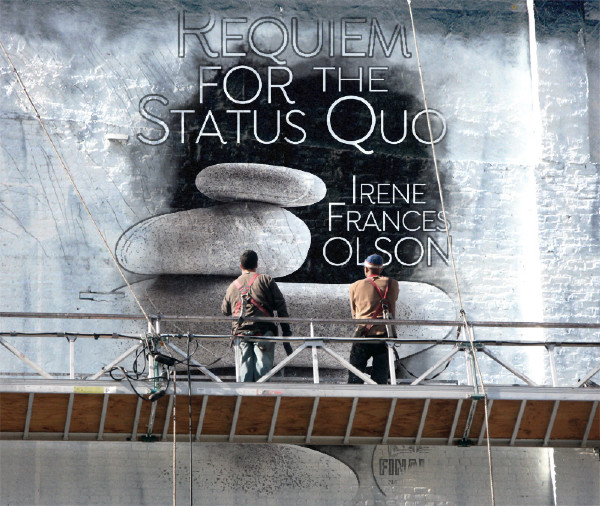
A lot of time and effort go into writing a book. Regardless of the genre, much needs to take place prior to that work of art arriving in the public’s eye to be consumed. The writing process is grueling: outlining; picking character names – developing those characters to become who you need them to be, killing off characters that don’t add anything to the storyline or content; researching anything and everything having to do with absolutely every topic you decided to include within the front and back covers of your project; pounding out page after page of your shitty first draft – because every first draft is shitty; editing, cutting and pasting, throwing out your manuscript and then retrieving it from the garbage because you can’t bear to give up on something that initially seemed to mean so much to you.
But the preparation for my novel began years before I knew I would even be writing it.
 My life changed forever when my father was diagnosed with Alzheimer’s disease. Up until that point, AD was something that happened to other people. Just like everyone else, I was afraid of it – had friends whose parents or other loved ones were diagnosed with it – but just like everyone else, I really and truly did not think it could get close enough to harm me, but it did. You see, I had hoped my professional work in the assisted living and memory care field would be as close as I would ever get to the dreaded disease that is always fatal, but I was wrong.
As my author bio states: Having previously worked in memory care, she was not new to the disease, nor was her family immune.
Years after my father’s death I chose to prolong my involvement with all things dementia, venturing forth into one of the most competitive fields around because it appears that everyone … everyone … has a story to tell, and many have chosen to tell it. With well over 8 million books currently available on Amazon and just a fraction of those touted as Best Sellers, a person would be crazy to even think about adding to those numbers!
Or that person would be brave.
Bravery sounded better than crazy to me, knowing that putting myself out there would leave me vulnerable, exposed before every critic who, although a reader and not an author, would not shy away from tearing apart my completed labor of love. But I wanted something positive to result from my father’s and my family’s Alzheimer’s experience so rather than shying away from risking failure, you know, doing nothing that might prove disheartening, I chose to lay my heart out on the line.
And I am a success.
I am a success, not because Requiem for the status quo made it to Oprah’s book club and/or the New York Times’ Annual Top Books list, and certainly not because of any wealth publishing a novel has brought me…relatively few authors make money in this field. I am a success because I let my love for my father be translated into a novel, creatively based on my own family’s experience, so that others – whether a million in number or just a thousand – could find some encouragement and hope through the ashes of my family’s grief.
And guess what, others read my story and told me time and again how much it resonated with them; how my writing seemed to mirror what they too went through, or were currently going through. Readers thanked me for my story … they thanked me! If that isn’t success, then I don’t know what is.
All I can say is, “You’re very welcome.”
A book for family caregivers
Although my novel, based on my own caregiving experiences for my father, focuses on the challenges faced by those caring for someone with Alzheimer’s disease or other dementia, it also benefits Every Caregiver – that universal person who finds her or himself as the primary individual caring for a loved one with a debilitating illness.
My prayer is that Requiem for the status quo helps everyone struggling to balance their own needs with that of their loved one.
A wealth of books about Alzheimer’s disease

AlzAuthors is a community of more than 200 extraordinary authors who have written about Alzheimer’s disease and other dementia. Today I am spotlighting those books written by the community’s supportive management team, of which I am a member. Please take time to visit the six books spotlighted below. I truly believe you will be glad you did. Let AlzAuthors light your way through Alzheimer’s and dementia.

Alzheimer’s Daughter – a memoir by Jean Lee. A poignant accounting of a family’s life after both parents were diagnosed with Alzheimer’s disease on the same day.

Blue Hydrangeas – an Alzheimer’s love story by Marianne Sciucco. A touching account of a couple’s journey into Alzheimer’s and of the love that never succumbed to the disease.

Somebody Stole My Iron: A Family Memoir of Dementia by Vicki Tapia. This engaging memoir offers useful information from experts within the field of Alzheimer’s research, personal lessons the author learned along the way, and ideas and tips for managing the day-to-day ups and downs of dementia.

Weeds in Nana’s Garden by Kathryn Harrison. A heartfelt story of love that helps explain Alzheimer’s disease and other dementias geared toward the children in our lives.

Motherhood: Lost and Found – a memoir by Ann Campanella. A memoir of the ordinary and extraordinary courage of those who endure debilitating and even crushing illness, and those who suffer with them when they do so.

Requiem for the Status Quo by Irene Frances Olson. A novel that explores the delicate balance of families upended by Alzheimer’s disease and how they manage their loved one’s needs with their own.
This Week’s Good News!

This week’s story comes to us from the UK where a supermarket chain pulled out all the stops to keep a woman on staff, regardless of her limitations. It is not often that a person’s company feels like family, but that was definitely the case for Ms. Salomon’s working experience.
This Week’s Good News!
Who doesn’t like a little pampering now and then? A Stanwood, WA retirement community believes everyone should feel a sense of worth and pride when it comes to appearance, knowing that it’s not just how you look that is most important, it’s how you feel. I am quite certain you will love this story that celebrates the gift of volunteerism.
Another step to honor my father
Who would have thought when I started my publishing journey to honor my father’s life – a life that was cut short because of the scourge of Alzheimer’s disease – I would one day be featured as part of Maria Shriver’s efforts to combat Alzheimer’s disease in women? But I am!
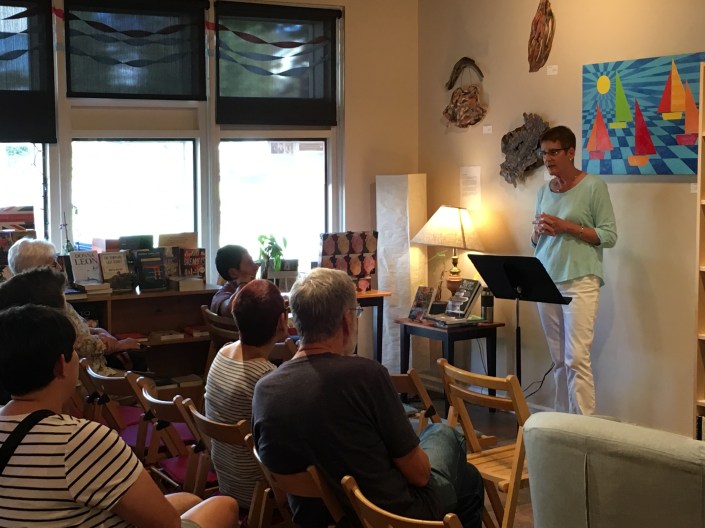
The Mission of Women’s Alzheimer’s Movement (WAM):Every 65 seconds, a new brain develops Alzheimer’s. Two-thirds of the brains with Alzheimer’s belong to women, and no one knows why that is. The Women’s Alzheimer’s Movement is determined to find out. Founded by Maria Shriver, The Women’s Alzheimer’s Movement is a nonprofit organization that is dedicated to raising awareness about women’s increased risk for Alzheimer’s and to educating the public — women andmen — about lifestyle changes they can make to protect their brain health. Through our annual campaigns and initiatives, we also raise dollars to fund women-based Alzheimer’s research at leading scientific institutions, so that we can better understand this mind-blowing disease and hopefully get closer to a cure.
My contribution, Where the Rubber Meets the Road: Personal Caregiving, is a transparent look at the challenges every dementia caregiver faces, even for a personal caregiver who had years of professional memory care experience, as did I. If you know of someone who could use some encouragement – whether they are caring for someone with dementia or another debilitating illness – I hope you will share my Women’s Alzheimer’s Movement piece with them; doing so would honor my father, and all those current and future caregivers who just might need some additional support in their corner.
This Week’s Good News!
The softer side of law-enforcement is front and center in this post. I hope you enjoy it as much as I did. What a wonderful way to celebrate the start of the spring season!
This Week’s Good News!

Wow! Talk about making lemonade out of lemons! Joe Bahr suffered the loss of his brother, Marty, to Alzheimer’s disease. Joe and Marty made a deal before Marty passed on. Check out here what that deal entailed. What a legacy Marty left for the rest of us!
Get your discounted copy today!
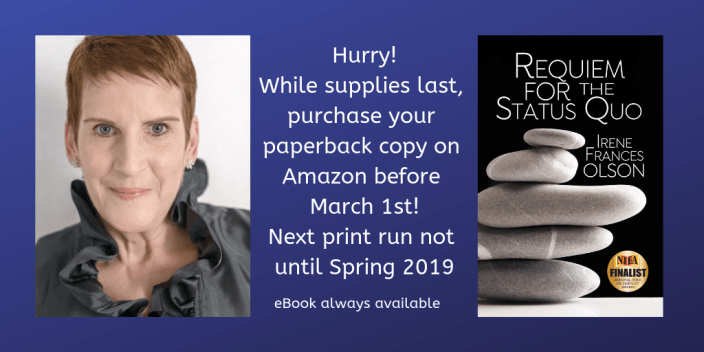
And if you act now, there are a few copies available that are ridiculously priced for under $13. Act now while supplies last!
Weather got you down? Read a book!
Boy do I have a book for you. The paperback of Requiem for the status quo is discounted until the end of February. For only $13.95, you can add this book to your To Be Read (TBR) list!

If the Ebook is more to your liking, it is currently just $4.99 or free to Amazon Unlimited subscribers. It will always be available, but the paperback will not be, at least until later this year.
Hurry while supplies last! Discounted price!
Requiem for the status quo was picked up by a publisher two years ago this month. The eBook and audiobook will continue to be available on Amazon through Black Rose Writing until the end of 2019. I am arranging for different publishing options for the paperback version, however, and will be releasing that paperback later this year.

In the meantime, my publisher and I reduced the paperback price for the month of February so those who want to add this book to their library can do so at a discounted price. If you are a Prime member, shipping is FREE! When I self-publish my novel I’ll be sure to send out an announcement so you’ll again have access to the paperback version through Amazon. And of course, the eBook is still available on Amazon and will continue to be available forever and a day. (I will self-pub the eBook at the end of the year.)
Let these recent reviews encourage you to get your copy today!
Jill W. I’ve never written a review when I’m only halfway through a book, but I wanted the author to know sooner rather than later, how much her book has affected me emotionally. My family has been dealt the dreaded card of dementia so reading REQUIEM FOR THE STATUS QUO has been difficult since we’re living Coleen and Patrick’s nightmare now. I find myself only able to read pieces at a time because the author has done a superb job of making Patrick and his family’s battle with this horrible disease, so real. Last night as I read, I found myself laughing and then crying. This book is a must read for anyone touched by Alzheimer’s or dementia.
Ann C. Irene Frances Olson writes believable fiction. Her characters are kind, funny and endearing — even in their flaws. When Colleen takes over her father Patrick’s caregiving because of his advancing memory issues, the reader can’t help but be moved by the tender relationship between them. The effervescent Colleen finds herself in a challenging life situation — pulled between her father’s condition, her working life, her brother’s disdain for her father’s illness and her own desire for companionship. Having experienced the devastation that Alzheimer’s can bring to a family, it was both heartbreaking and a joy to follow Colleen’s path. Yes, there was loss, but the author helps us see the beauty and courage in facing the inevitable challenges of aging and how it’s possible to do it with grace and love.
Jason This book is about the many faces of Alzheimer’s, from those how bear the thief in their brain to those who must cope with and care for loved ones. The story is straightforward and written with love, it is a daughter’s anthem of love for her father while also being a support for others facing the journey of incremental loss. Colleen describes it best when she identifies Alzheimer’s as a thief robbing us of our memories and our future. If you or a loved one are walking this journey, this story is sure to give both a sense of how to make this journey possible and how to mourn with others on the path.
This Week’s Good News
Guess what the currency of media is? OUR ATTENTION.
Don’t invest in bad news, invest only in the good!
Ron Robert doesn’t believe in giving up even after being diagnosed with Alzheimer’s disease. He was a retired man who was extremely bored with his life and when he received the diagnosis so many of us fear, he enrolled in University to get off his butt and once again get involved in life. Read this astounding article that contains some of the best news about Alzheimer’s I’ve heard in quite some time.
Time’s running out: discount book sale ends late 11/13

All of the books shown in this graphic are part of the AlzAuthors Caregiver Appreciation week-long sale, starting today, November 7th. You’ll see my novel, Requiem for the status quo, in the upper right corner that is priced at 99 cents from Nov 7th through 13th. To link to all the books you see above, click on the AlzAuthors link here. Simply click on the book’s image and it will take you directly to its page on Amazon, making it extremely easy to purchase as many titles as you please. And don’t forget to gift others with titles as well. It’s so easy to do and the recipients of your gifts will be so pleased that you’ve thought of them.
I want you to have a copy of my novel
 I want everyone who would like a copy of my eBook on Amazon to have one so starting November 7th, and running through November 13th, it will be available for a mere 99 cents…less than $1.
Perhaps you’d like to gift someone with a copy. You can easily do so by clicking on the Buy for Others button found on my novel’s Amazon page. You purchase it – or several copies of it – and when prompted, you provide the email address(es) for the recipient(s) and they will receive a notification that a free book is waiting for them, generously gifted by you. You can even write a personal message to the recipient. It’s so very, very easy to do.
 This 99 cents sale period is being brought to you by AlzAuthors as these 170 authors honor caregivers during National Caregiver Appreciation Month. Not all the authors’ books will be available at a discounted rate, but many will be, so if you’re looking to add to your eBook library, November 7 – 13 is the time to do so.
This promotion serves to recognize the long hours, sacrifice, and love all caregivers bring to the task of caring for a loved one with dementia or any long-term illness.
I truly believe that caregivers are heroes: ordinary people, doing the ordinary right thing, at an extraordinary time. Reward yourself, or other caregivers with whom you are acquainted, for all tireless efforts, past or present.
I will post a link to the AlzAuthors discount page the morning of the 7th so come back then to fill your library shelves with heavily discounted books about Alzheimer’s & other dementias. In the meantime, the AlzAuthors Anthology filled with 58 caregiver short stories is available for pre-order for just $1.99 for the Kindle version!
Grandma and Grandpa pods
I wrote this article five years ago and I’m posting it again today because it is one of the most viewed posts on my blog. Financial figures are five years old so current, 2018/2019 figures will be considerably higher.
I read a fabulous article in the “Home” section of today’s Seattle Times newspaper. It’s a throwaway section that I always read before I toss it into the recycle basket.

All of us are getting older – there’s no cure for that other than not growing older by leaving this earth before you’re ready – so where are all of us going to live – especially Granny and Pappy who can no longer safely live on their own?
Long-term care (LTC) facilities have priced themselves out of most households’ bank accounts and the alternative solution of having grandparent sitters is cumbersome and expensive in itself. What’s an adult child to do? If you have space on your property to have a guest house newly built or better yet, if you’re willing to turn your sunporch or guesthouse into accommodations for mom and dad, the original outlay of funds will pay for itself because you will have avoided the need for a facility’s ultra-expensive long-term care services.
One company that makes the pods spotlighted in the Seattle Times’ article is called Home Care Suites. Disclaimer: I am not advocating for this company’s product. I am merely pulling information out of the article and presenting it to the reader so you can do research that applies to your situation and your budget.
The pods made by this company range in size from 256 to 588 square feet with prices ranging from $42,000 to $83,000. This is no drop in the bucket but let’s consider the cost of facility care. Genworth (who sells long-term care insurance) states that the average monthly fee for assisted-living (AL) was $3,300 in 2012. I think that’s a very naive figure based on my experience of having worked in the LTC housing industry. Maybe Genworth’s lower number is just the cost for monthly rent – but what about care services? Cha-ching!!! Now you’re looking at double that amount and the cost will only go higher as care needs increase. But even at only $3,300 per month, that amounts to $158,400 for a four-year period. See how do-able the pod concept seems now?
Many of the AL service needs are simple monitoring of a resident – tasks that you can do for your loved one: waking them up, helping them get dressed, a certain amount of medication assistance, meal provision. Many seniors living in AL facilities don’t need the massive hands-on care of bathing assistance, toileting services, physical therapy, etc. I know for a fact that if a family member has the time – and a little patience – they can provide these lower acuity services on their own for quite some time before securing hands-on medical care for the elder member of their household.
Skipping ahead to after Grandma and Grandpa/Mom and Dad have passed on, you now are left with an added structure on your property which you can transform back into the porch or game room of its earlier existence, or simply leave as is as a guest room that may accommodate someone else in your family. I have to believe that your initial investment in constructing a pod is an investment that you won’t regret. And don’t forget – the costs for such a project aren’t necessarily out of your own pocket. Perhaps Grandma or Grandpa are willing to pull some of their savings out from underneath their mattress and contribute to the cost of this alternative living arrangement that would certainly be more attractive to them than a lengthy stint at an AL facility or nursing home. Just saying.
The Alzheimer’s Community
 I have been closely involved in matters regarding Alzheimer’s disease and other dementia for eighteen years now: long-term care (LTC) housing, memory care, Alzheimer’s support group facilitator, and Washington State LTC Ombudsman. But it took me becoming a published author of a novel that focuses on a family’s Alzheimer’s disease experience before I finally found my Alzheimer’s community.
AlzAuthors is a group comprised of over 170 published authors (as of this writing) who have published fiction and non-fiction books reflective of their personal Alzheimer’s experience. The six members of the AlzAuthors Management Team (Team) is the Alzheimer’s community about which I speak.
The Team’s motto says it all:
We can sing a lonely song, or form a choir and create harmony.
Without exception, the authors featured on our site and each member of our Management Team had the experience of struggling with the learn-as-you-go-task of caring for someone with cognitive impairment. We all made mistakes, and we learned from them, but we also had successes, and we celebrated them.
As a recent addition to the AlzAuthors Management Team, I became even more convinced that my personal Alzheimer’s community resides within this group. The support, the kindness, the giving nature reflected within the Team is incomparable in my experience, and we are not just keeping it to ourselves. AlzAuthors is spreading their influence into numerous parts of the world…which is kinda why they asked me to join the team as their Global Outreach Coordinator. The six of us know our presence is evident in more countries than just the United States, but our imagination and passion is boundless so we have set out to become a household word in small and large communities throughout the world.
Why AlzAuthors? Because this 100% volunteer group has brought together some of the best books on Alzheimer’s and other dementia in one central location: our bookstore. We’ve categorized those books to make the personal caregivers’ or professionals’ shopping experiences an easy one with categories such as: Caring for Parents or Grandparents, Caring for Spouses or Partners, Living with Dementia, and Children and Teen books, to name a few. We know a caregiver’s “free” time is limited or non-existent, so we’ve done our best to make their shopping experience an easy one. They simply click on the cover of the book they’re interested in and they are taken directly to Amazon to make the paperback, eBook, or audiobook purchase.
We’re working hard so you don’t have to.
 And finally, we understand the journey of unpaid (family & friend) caregivers because:
- We have experienced the loss of a loved one with dementia.
- We know the pain of being forgotten.
- We all have witnessed decline.
- We have provided countless hours of caregiving.
- We know many others have experienced the same and we believe in the power of sharing those stories.
Kindness Fridays
 This week’s kindness spotlights the Women’s Fiction Writers Association (WFWA) a fabulous group for writers of women’s fiction. Most if not all the administrative staff is volunteer – the reason why their kindness is this week’s selection. As a member of this organization, I was given the opportunity to have a podcast recorded for their Hear Me Roar program because I’m a debut author. Although my novel, Requiem for the status quo was released a year ago, it was my debut publishing effort.
This podcast is approximately 30 minutes in length, and although my novel is certainly the focus, much attention was spent on the prevalence of Alzheimer’s and other dementias in the world. Perhaps this podcast will keep you company on your commute in the next few days; although it may seem a bit choppy, I think it’s worth hanging in there to hear my, and the host’s, provocative discussion.
Dynamite storybook for seniors with dementia
 I was asked to write a story or two for an anthology of short, short, stories that would be read to seniors with cognitive impairment. I jumped at the opportunity. That anthology, The Mighty Ant, is now available in paperback on Amazon.
I am one of 33 contributors to this collection of short stories for seniors who suffer from dementia and other related memory or cognitive disorders. This book is the culmination of a project from editor and contributor, Jessica Bryan, who is a caregiver and advocate for caregivers. Several years ago she began to notice that her mother, who suffers from Alzheimer’s disease, lost focus and could no longer read lengthy books. Jessica began reading to her mother and found that simple, short stories were easier for her to understand. The Mighty Ant is filled with these kinds of fiction and non-fiction stories.
The proceeds from the sales of the books will be donated to a local Council on Aging. The generous contributions of authors like myself have come from all over the world. The result is a book with different perspectives, reminiscences, and tales that reflect not only local culture, but a variety of customs, ethnicities, and lifestyles.
I am honored to have my two stories titled, A Neighborly Friendship and A Sweetheart of a Story included in this collection. A Sweetheart of a Story was selected as the final story in the book because the editor felt it was the perfect selection to provide a sweet ending to the anthology. Buy a copy or ten or more for yourself and others…perhaps your local memory care community would love to include the reading of this book to their senior activity schedule! Currently only $12 for this 322-page large print storybook.
My novel’s 1st anniversary
 Requiem for the status quo‘s anniversary is the perfect opportunity to announce my involvement with a fabulous project focused on Alzheimer’s disease.
I am one of over 150 authors from around the world who will be represented at the Alzheimer’s Association – Western Carolina Chapter’s Dementia Education conference in Charlotte, N.C., this August. I, and over 25 other AlzAuthors, have donated copies of their books, which will be given away in a raffle to conference attendees.
I wanted to support this cause because during my caregiving experience in the early 2000s, I most definitely could have used more fiction about Alzheimer’s to normalize my day-to-day stresses, and some up-to-date non-fiction to help my learn-as-you-go caregiving experience. Something else from which I surely could have benefited is the non-profit, AlzAuthors. AlzAuthors.com is a nonprofit website that shares information on books and blogs about Alzheimer’s and dementia. I am proud to say that I, too, am a member of this fine organization. Had it been available prior to my father’s death from Alzheimer’s disease, I no doubt would have tapped into its resources.
AlzAuthors started in 2015, when Founders Jean Lee from Ohio, Vicki Tapia from Montana and Marianne Sciucco from New York, who had also written books about Alzheimer’s, met in cyberspace. They discussed the growing need for resources about dementia. A year later, after Shannon Wierbitzky joined the team, the group started a website and published posts from 60 authors. In 2017, Canadian Kathryn Harrison and Ann Campanella from North Carolina joined the administrative team.
Since that time AlzAuthors has published weekly posts, sharing resources about books and blogs that focus on Alzheimer’s and other dementias. The site has grown to include over 150 AlzAuthors from around the world and has a bookstore with a vast collection of top books for individuals, doctor’s offices, assisted living facilities and other eldercare services. AlzAuthors also has a thriving presence on Facebook, Twitter, Instagram, and Pinterest. AlzAuthors Jean Lee and Ann Campanella, whose memoirs were recently named to Book Authority’s Best Alzheimer’s Books of All Time List, will share “The Story Behind the Stories” of AlzAuthors at the Alzheimer’s Association conference.
“Together We Can,” the Dementia Education Conference held by the Alzheimer’s Association – Western Carolina Chapter, will take place on Wednesday, Aug. 29, from 8:00 a.m. to 4:00 p.m.at the Friendship Missionary Baptist Church, 3400 Beatties Ford Road in Charlotte, N.C. The event is geared for healthcare professionals, caregivers, people living with Alzheimer’s or related dementia and members of the general public. Attendees will learn more about research, caregiving practices and tools to assist in the journey with Alzheimer’s. For more information, visit ALZ.org/NorthCarolina or call 800-272-3900.
For more information about AlzAuthors. visit their website: https://alzauthors.com/.
Kindness Fridays
Over the years I’ve discovered that when we are part of a community of people, our quality of life increases. The support of others can’t be beat. For me, community is like-minded people with a common thread through their lives that provide meaning and purpose for one’s day to day existence.
I found community in a writer’s group called AlzAuthors, a compendium of authors who have all been affected by Alzheimer’s disease and other dementia. All of us authors share our experiences through our non-fiction and fiction works to bring knowledge, comfort, and understanding to those on a similar journey to the one we have already completed. Trust me, we all wish such a group were not necessary; that the common thread we share didn’t involve the always fatal disease of Alzheimer’s and related dementia; but it is necessary and we’re filling a need that as of this writing doesn’t show any chance of abating.
I’ve never met any of these authors – I live in Washington State and the rest of the authors represent just about every state in our nation – but because of our common journeys, we are members of a community. Are we all politically aligned identically to each other? Probably not. What about religious practices, do we follow the same spiritual practices as every member of the group? Hardly, but it doesn’t matter. What we have in common does matter: we are dedicated to encouraging and helping families and individuals whose lives have been interrupted by Alzheimer’s disease. Speaking for myself, I am so glad that my novel, Requiem for the status quo, can reflect the good and the bad decisions I made and other individuals made, so that those who are still on the Alzheimer’s journey might do better because they know better. I hope you’ll get to know us AlzAuthors through our website and that you’ll become an AlzAuthors Reader Community once you’ve browsed through our bookstore. Click here to go directly to the AlzAuthors Bookstore to find a library of books – more than 140 as of today – that link directly to Amazon or other purchase outlets.
 So that’s it. This week I celebrate the kindness I have found in the AlzAuthors Community. Sure beats going it alone.
Long-term care: squeaky wheels and raging forest fires
 Although now retired, over a twelve-year period I worked in long-term care (LTC) wearing three different hats:
- My first job in this industry was in the corporate office of a very fine assisted living and memory care company. In time, I decided to work in one of the company’s facilities so I could spend more time with the residents and families who chose our company for their LTC needs;
- When I left the company, I took several years off to care for my father who had Alzheimer’s disease. A few years after his death, I became a certified long-term care ombudsman for the State of Washington – an advocate for vulnerable adults living in LTC settings;
- Concurrent with my ombudsman work I became a trained Alzheimer’s Association caregiver support group facilitator, providing a listening ear to those on the caregiving path.
Given all that experience, I’ve seen and heard of many unfortunate and nasty occurrences where residents and patients were denied the basic rights each living person should expect to receive, especially those dependent on others for their well-being and quality of life.
I’m sorry to say that some nursing homes, assisted living/memory care communities, and adult group homes do not employ sufficient staffing to meet the needs of their residents. I can confidently say that the government agencies that oversee the LTC industry are also understaffed. When complaints are called in, those government employees have to apply grease to the squeakiest wheels and must turn their fire hoses on the most out of control fires in their case files.
That’s where you and I come in.
We must be the squeakiest darn wheels we can be so our complaint(s) are attended to.
We also need to be the hottest, most devastating fire imaginable so that our vulnerable loved one’s rights are respected.
 One grievous example. This is just one example of common issues that arise in LTC settings. The complaint process I mention later in this post provides a good starting point when issues arise.
Nursing home call lights are being ignored so that residents/patients are left to defecate and urinate in their adult sanitary garments on a routine basis. Not only is such an act demeaning to the poor soul with no option but to let go of his/her bodily wastes, but said wastes are sure to cause skin breakdown and a urinary tract infection that is not only extraordinarily painful but can also be life-threatening.
What does the family member/good friend do about this indignity? They need to complain vehemently to the administrator of said facility and when she/he does nothing or very little, family and friends contact the local area’s LTC ombudsman program. This website will direct you to ombudsman resources right where you live: National Long-Term Care Ombudsman Resource Center.
Your local ombudsman program will investigate, work with the facility’s staff, and if need be, get the full force of the law to come to the defense of those in need. State ombudsman programs are staffed by paid and volunteer employees, therefore their staffing levels are usually higher than many government agencies. These ombudsmen all receive the same extensive training required for such a vital role. Once you’ve reached a dead end at the facility, ombudsmen are your most active line of defense. They are passionate about what they do and they will ceaselessly advocate for you and your loved ones. Their proximity to appropriate resources and their intimate knowledge of residents’ rights laws makes them an approachable and viable alternative for the common man’s (yours and my) needs. Caveat: if you suspect criminal activities such as physical or sexual assault law enforcement needs to be immediately involved in the matter. Additionally, severe lack of care that endangers the lives and well-being of adults more likely than not will also require law enforcement involvement.
Adults in long-term care settings are a reflection of you and me. By that I mean they were once active and self-reliant adults, just like many of you reading this piece, but they now find themselves unable to fend for themselves and need you and me to step in for them. Imagine, if you will, being in their shoes, unable to speak up for yourself. If you or I ever find ourselves in a similarly vulnerable situation, wouldn’t you want an advocate to step in on your behalf?
Advocacy for vulnerable adults falls on all of our shoulders. You can make a difference in the life of your loved one. Won’t you please step up to become their most important advocate?
Goodreads Giveaway: REQUIEM FOR THE STATUS QUO
 Those of you familiar with Goodreads know that authors give away tons of books on that site all year round. I figured, I’m an author, and I’m pretty generous, so I think I’ll give away some paperback books as well!
Go to Goodreads (you’ll have to be a registered user to participate) and enter my 6-book giveaway that starts today, December 1st, and runs through December 8th. It’s easy to register on Goodreads, you don’t even have to create a new user persona; you can register using your Facebook, Twitter, Google, or Amazon log-in information.
Once you’re a registered user, follow these steps:
- go to the Browse drop-down menu
- click on Giveaways
- towards right-hand side, click on Recently Listed
- filter by Print Giveaways – as opposed to Kindle Giveaways or All Giveaways
- and search for my novel, Requiem for the status quo.
Be certain to read the description of the giveaway that I’ve created. I want you to be clear on what it is I’m offering for free.
Goodreads does all the work in acquiring names and shipping information, they’ll notify me of the six randomly selected Giveaway winners, then I’ll send out a copy of my novel to six lucky winners within a week’s time.
You’ve got nothing to lose…what are you waiting for?
- ← Previous
- 1
- 2
- 3
- …
- 9
- Next →
 Living: the ultimate team sport